
While Europe encourages the purchase of electric cars, this Asian country has made a drastic decision that no other has dared to adopt.
13/09/2026 13:00
Updated to
13/09/2026 13:00
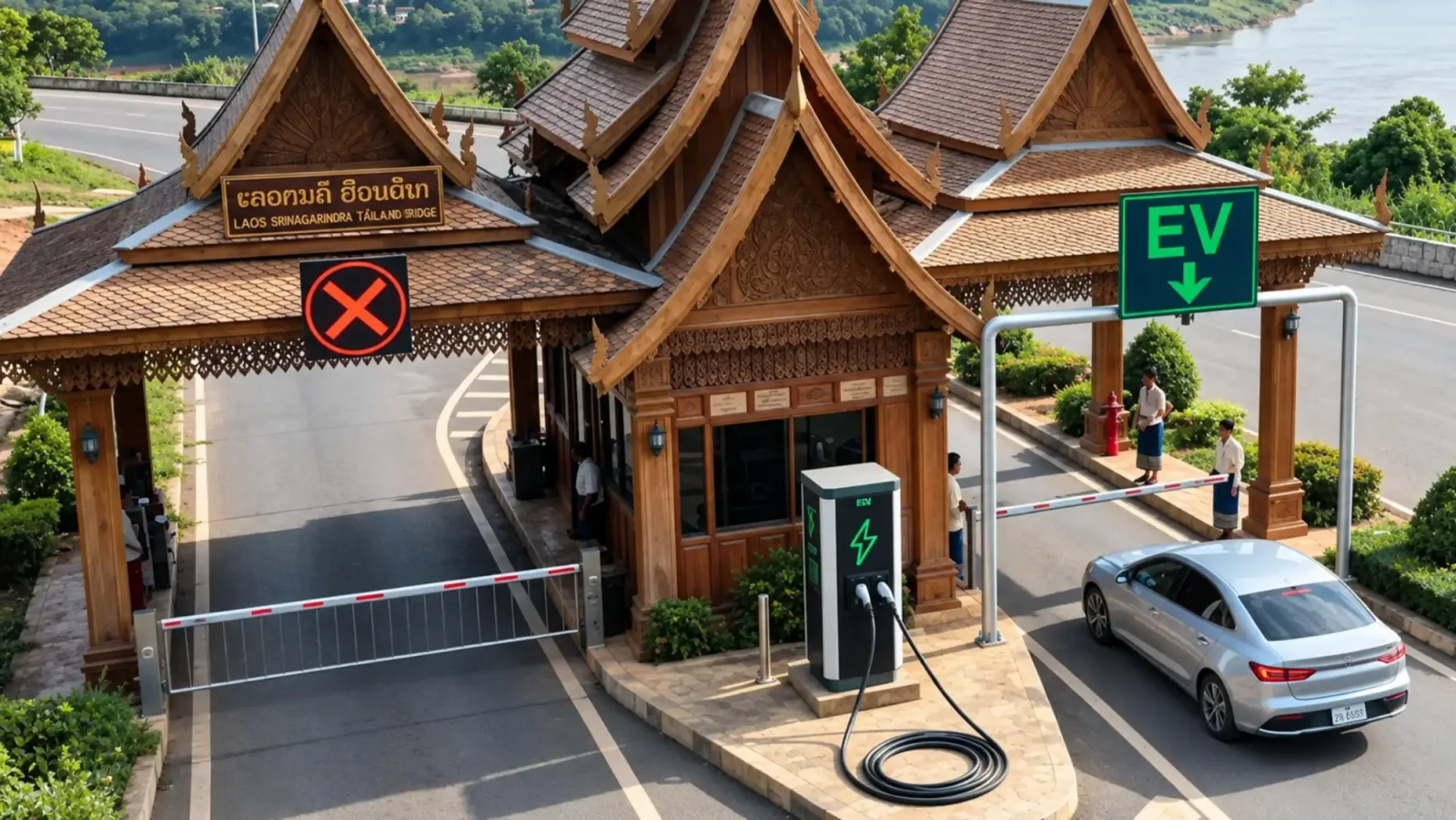
The debate surrounding the electrification of the global vehicle fleet often progresses at very different speeds depending on our latitude. While the European Union discusses tax incentives, purchase subsidies like Plan Auto+, and phased timelines targeting 2035, a small nation in Southeast Asia has decided to skip the intermediate steps. Laos has taken an unprecedented measure by banning the import of gasoline-powered cars, becoming the first country in the world to implement such a radical ban.
This measure, which is already in effect, requires that virtually all new tourism vehicles entering its borders be 100% electric. With this decision, the Asian country aims not only to lead headlines on sustainability but also to address a profound issue faced by many emerging economies lacking their own oil resources.
A decision driven by economics and energy independence
Unlike Western powers, where the shift to electric vehicles is largely driven by environmental commitments and emission reduction, in Laos the change is motivated by financial and macroeconomic reasons.
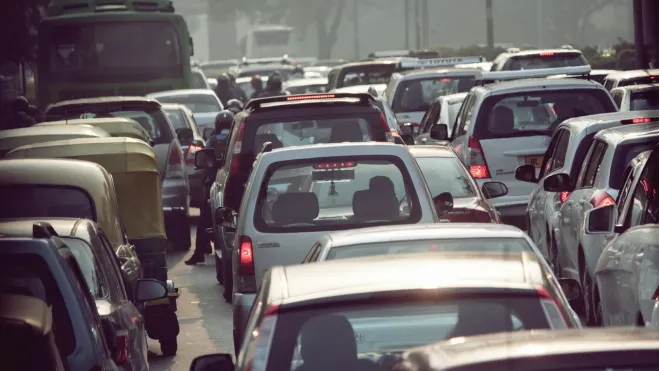
Laos is a landlocked country but possesses enormous hydroelectric generation capacity thanks to the Mekong River basin, to the point of exporting a significant amount of electricity to its neighboring countries. However, it has no oil reserves or refineries at all. Every liter of gasoline or diesel used on its roads must be imported, requiring a continuous outflow of foreign currency—a resource the country is short on.
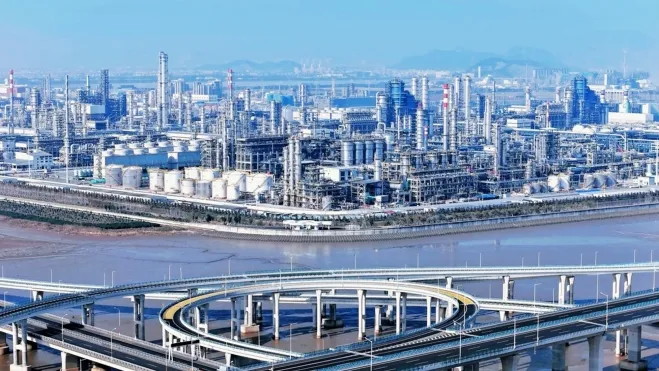
Replacing thermal engine fleets with electric vehicles allows the country to utilize the surplus of clean and renewable energy produced within its borders, reducing import costs for fossil fuels. The math is straightforward: turning transportation energy consumption into a matter of national sovereignty.
Exceptions and the role of China's industry
Despite the severity of the measure, the government decree includes important nuances to prevent a collapse in primary economic activities. The import ban applies strictly to the segment of passenger cars and private vehicles, an area where the supply of affordable electric vehicles has matured sufficiently.
However, other vehicles such as industrial ones, construction machinery, public transportation, and trucks used for development projects are exempt from this ban. In these sectors, electric technology still does not provide viable alternatives at an affordable cost for local infrastructure, so diesel will continue to be used where full electrification is not feasible in the short term.
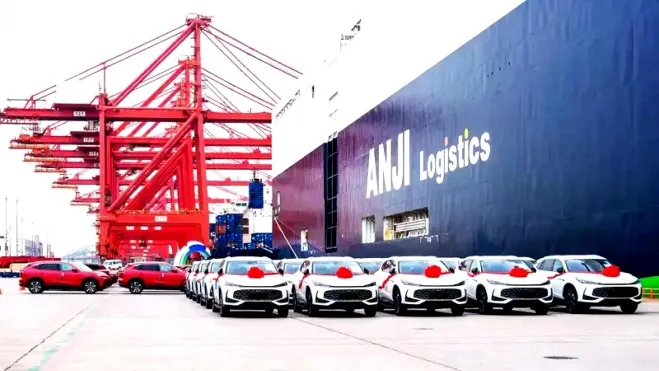
This drastic trade restriction creates an ideal environment for electric vehicle manufacturers from neighboring China. By shutting out traditional internal combustion engine brands, Laos opens up a nearly exclusive market for Chinese firms capable of supplying models at competitive prices. To support this policy, the government has introduced tax exemptions for electric vehicles worth less than $50,000, reduced registration fees, and agreements with private partners to establish charging infrastructure and battery swap stations. The official goal is to achieve a 30% share of electric vehicles in the total vehicle fleet by 2030, demonstrating that economic imperatives can accelerate the energy transition much faster than regulatory policies.