
“Micro-Cars” are becoming increasingly popular, with insurers demanding higher safety standards
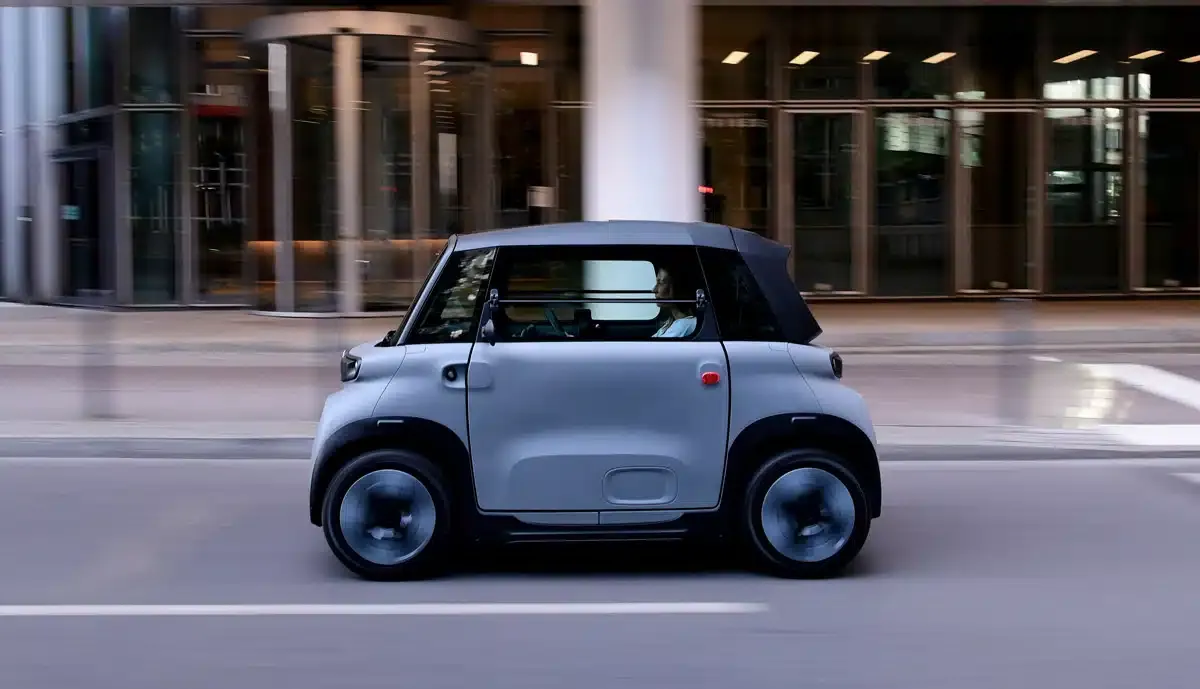
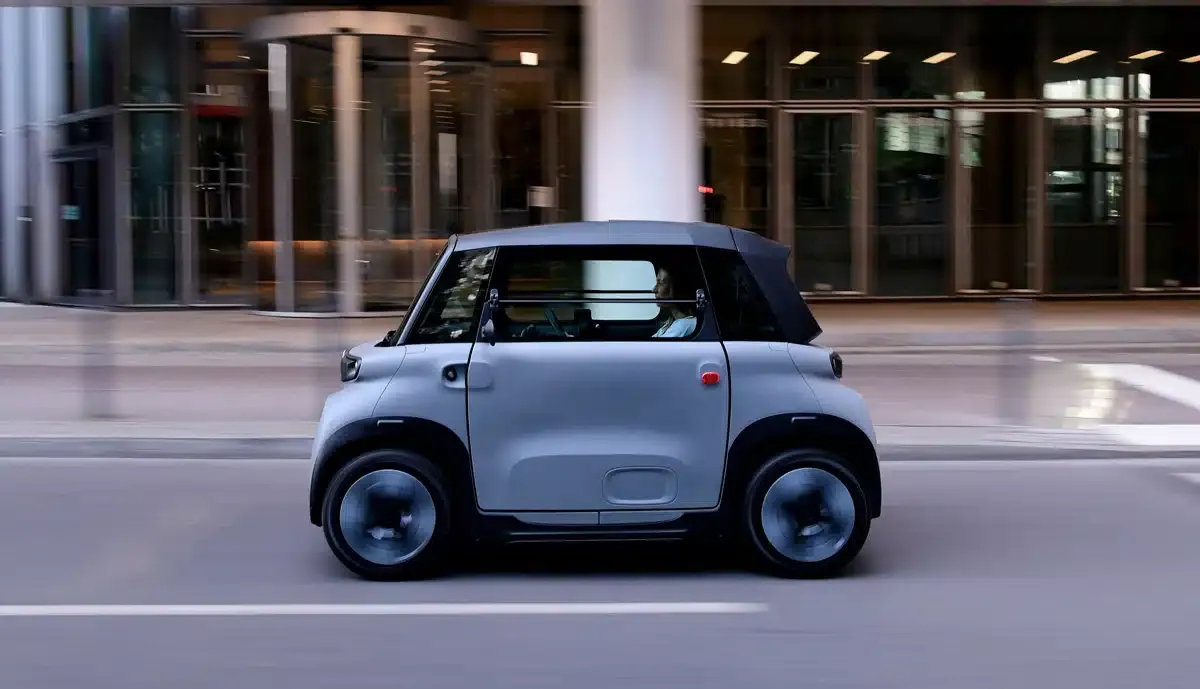
Image: Opel (illustrative)
Micro-cars can travel at a maximum speed of 45 km/h and may serve as an alternative, especially for short distances. However, they have a high frequency of accidents and poor safety standards. The German Insurance Association (GDV) therefore calls for mandatory safety requirements that are more aligned with standards for regular cars.
Mini-cars — known as micro-cars or moped cars — are becoming increasingly popular on German roads. According to statistics from German auto insurers, around 46,000 of these vehicles, also referred to as moped cars, had liability insurance at the end of 2025. Three years earlier, that number was just under 26,000. This represents a nearly 80 percent increase in their total since 2022. Approximately 8,000 such vehicles were added alone in the past year. Micro-cars can reach speeds of up to 45 km/h, can be driven with a moped license starting at age 15, are often electric, and can be insured with insurance plates in a similar straightforward manner to mopeds.
"Micro-cars can be an interesting alternative to larger cars, especially for short distances," says Anja Käfer-Rohrbach, deputy CEO of the German Insurance Association (GDV). "However, as their use grows, more attention must be paid to the safety of passengers."
Although micro-cars are much slower than regular cars, they cause the same number of damages per 1,000 vehicles. In 2025, insurers recorded around 2,300 liability claims related to micro-cars, which amounts to 50 claims per 1,000 insured vehicles. According to GDV’s analysis, their frequency of damages is at a similar level to that of regular cars.
Despite their lower speed, micro-cars offer significantly less protection to their occupants compared to conventional cars. These vehicles are not required to have airbags, electronic stability programs, or driver assistance systems such as automatic emergency braking. “The structure of a micro-car is not comparable to that of a compact car,” says Kirstin Zeidler, head of the Insurance Companies’ Accident Research (UDV). “As a result, occupants are exposed to a much higher risk of serious or fatal injuries in the event of a collision than in a regular car.”
Insurance companies demand greater safety for micro-cars
From insurers’ perspective, the EU-mandated weight limit of 425 kilograms particularly hinders the installation of additional safety equipment. Therefore, GDV calls for more flexibility regarding the allowable vehicle weight as well as binding safety requirements that are better aligned with standards for passenger cars.
"Micro-cars must not turn into safety traps for their occupants," says Käfer-Rohrbach. "This is especially true for young drivers who lack experience in road traffic and use these vehicles as an alternative to parental cars or buses."
Despite significant growth, micro-cars remain a niche in German road traffic. However, their increasing prevalence shows that requirements for passenger protection need to be further developed according to GDV.
Also interesting
About the Author
Thomas Langenbucher is an expert in electromobility with professional experience in the automotive industry and finance sector. Since 2011, he has been covering electric vehicles, sustainable technologies, and mobility solutions for ecomento.de. Learn more.
Reader Interactions