
Electric work tools? The regions that fund them
Work vehicles are constantly in motion, and precisely for this reason they have a significant impact on emissions. The electrification of this sector is progressing slowly, but the success of the recent incentive for light commercial vehicles—with funds exhausted in less than an hour—demonstrates that there is interest, especially when the price gap compared to polluting models narrows. The national plan includes new phases from 2027 to 2030, but there are also regional measures tailored for businesses. These need to be sought in the details of local regulations: we did this and identified active grants, particularly aimed at the tourism and fishing sectors.
In Sardinia, the grant program for distributed hotels funds transportation services for tourists.
There is a deadline of October 12 to apply for the Sardinia Region’s call for support aimed at distributed hotels. The program provides 2.5 million euros to fund development, improvement, and innovation projects for accommodations classified as distributed hotels, with the goal of strengthening local tourism offerings, especially in small towns.
Beyond Pnrr: new calls for 70 million and 98 electric buses
Tourism also involves logistics, and particularly in historic centers, it can have a significant environmental impact. Therefore, looking at the list of eligible expenses, an interesting point emerges: the call for proposals offers specific support for those who choose electric or hybrid vehicles for use in distributed hotel services. Golf carts are mentioned, as well as “similar” vehicles.
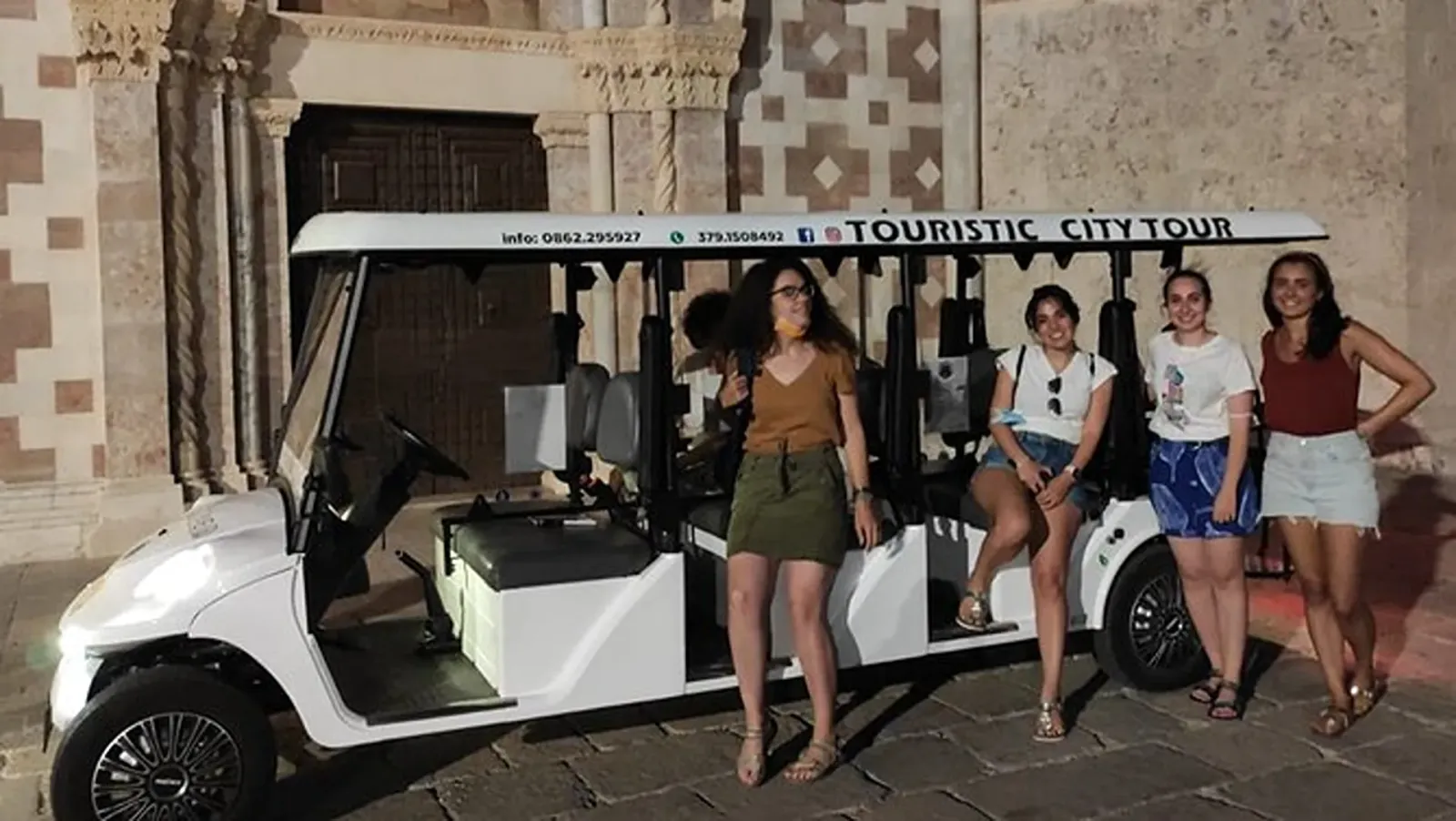
The conditions are clear: the vehicles must be used exclusively for providing hotel services, be proportional to the accommodation capacity, intended for transporting guests and their luggage, and equipped to accommodate people with disabilities. The expenditure is eligible, and by choosing zero-emission vehicles, the establishment receives four additional points during the evaluation phase. The call for applications can be found here.
In Molise, there are favorable financing options for businesses and freelancers who opt for electric vehicles.
Through the IMPATTO initiative, the Molise Region — with Finmolise S.p.A. managing the program — aims to support the modernization of local businesses. The program makes available over 12 million in the form of zero-interest loans for micro, small, and medium-sized enterprises, including freelancers.
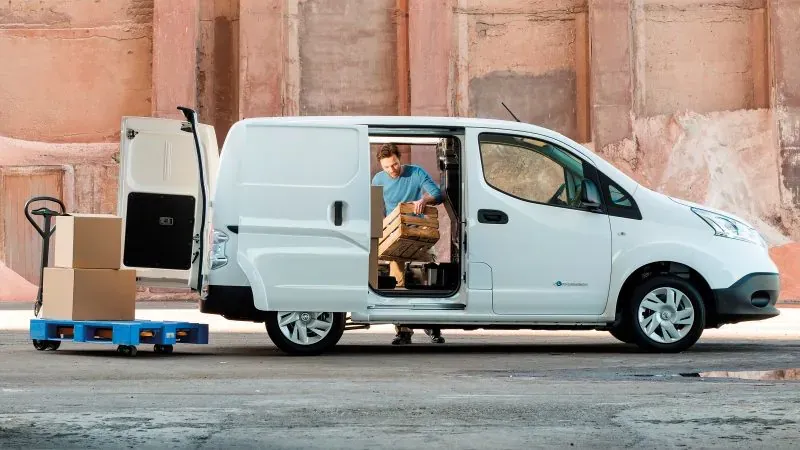
Eligible expenses also include the purchase of electric-powered work vehicles, but with a specific condition: like all work vehicles, they are only financable if they are strictly necessary for the business or professional’s activities.
Electric and hybrid taxis: 2 million from Lombardy Region
The list of beneficiaries is broad, and consequently so is the range of vehicles allowed. It includes not only vans or pickup trucks but also the car used by professionals for business trips. Here is the call for proposals.
In Lombardy, electric refrigerated vans for businesses
We have written about the program that funds electric panels and vans for fishermen in Puglia. Now, a similar measure, still part of the European FEAMPA 2021‑2027 program focused on sustainable aquaculture, has been approved by the Lombardy region as well. Eligible expenses include funding for electric or hybrid refrigerated vans used to transport fishery products from aquaculture companies.
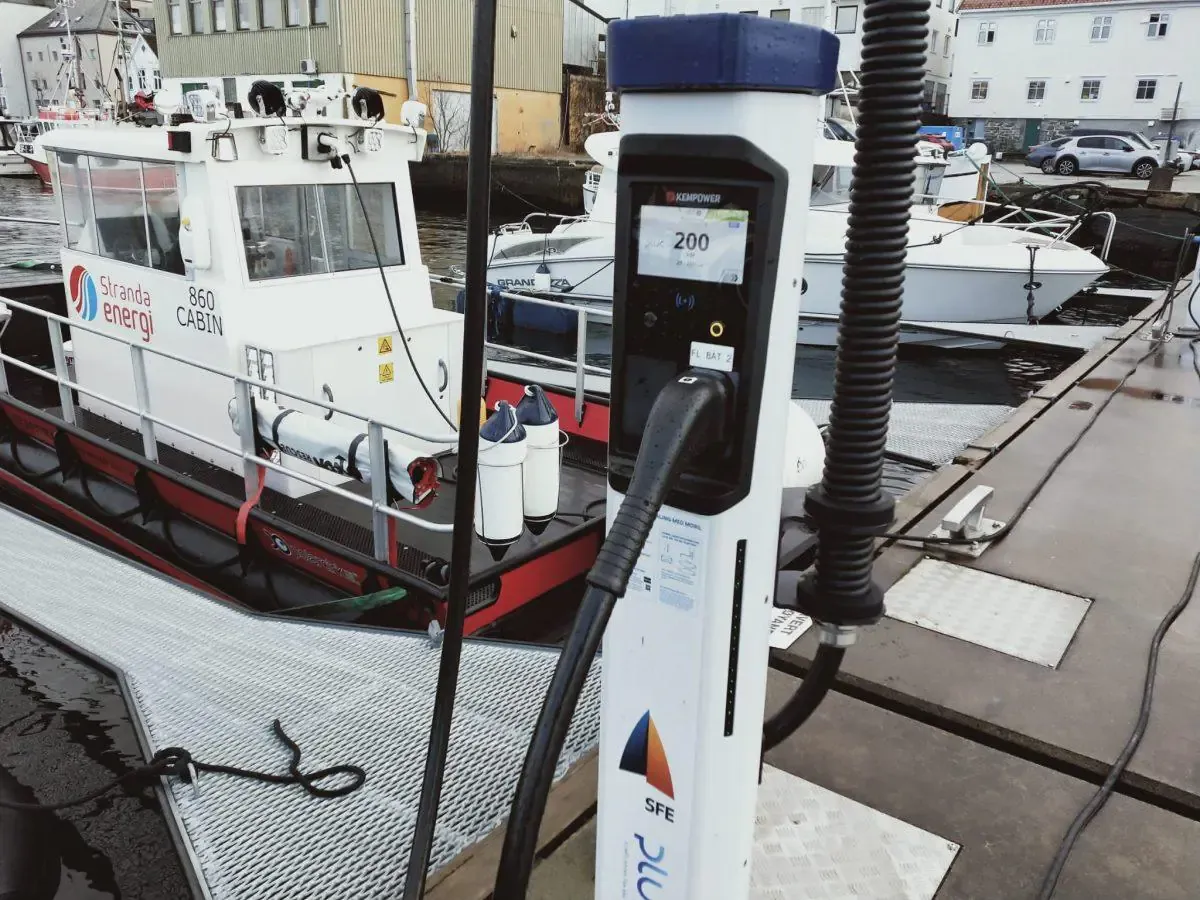
The funding amount is 1.2 million, with a deadline of December for submitting applications. Those working in this sector are advised to closely monitor the FEAMPA calls for proposals published by various regions: in addition to refrigerated vehicles, many programs can also finance electric motors for boats and other investments useful for the energy transition in this industry. The call for proposals is available here.
Finally, there are calls from some northern regions that fund business vehicles; we wrote about these here, and Veneto has extended the deadline for submitting applications to October.
READ ALSO: The enemy of electric cars isn’t diesel — watch the VIDEO
Previous Article
India has a plan: 100,000 electric heavy vehicles within 5 years