
Merz demands that Germany take back leadership in the automotive industry amid China’s rise: “We don’t want to lag behind in transformation.”
25/09/2026 12:30
Updated to
25/09/2026 12:30
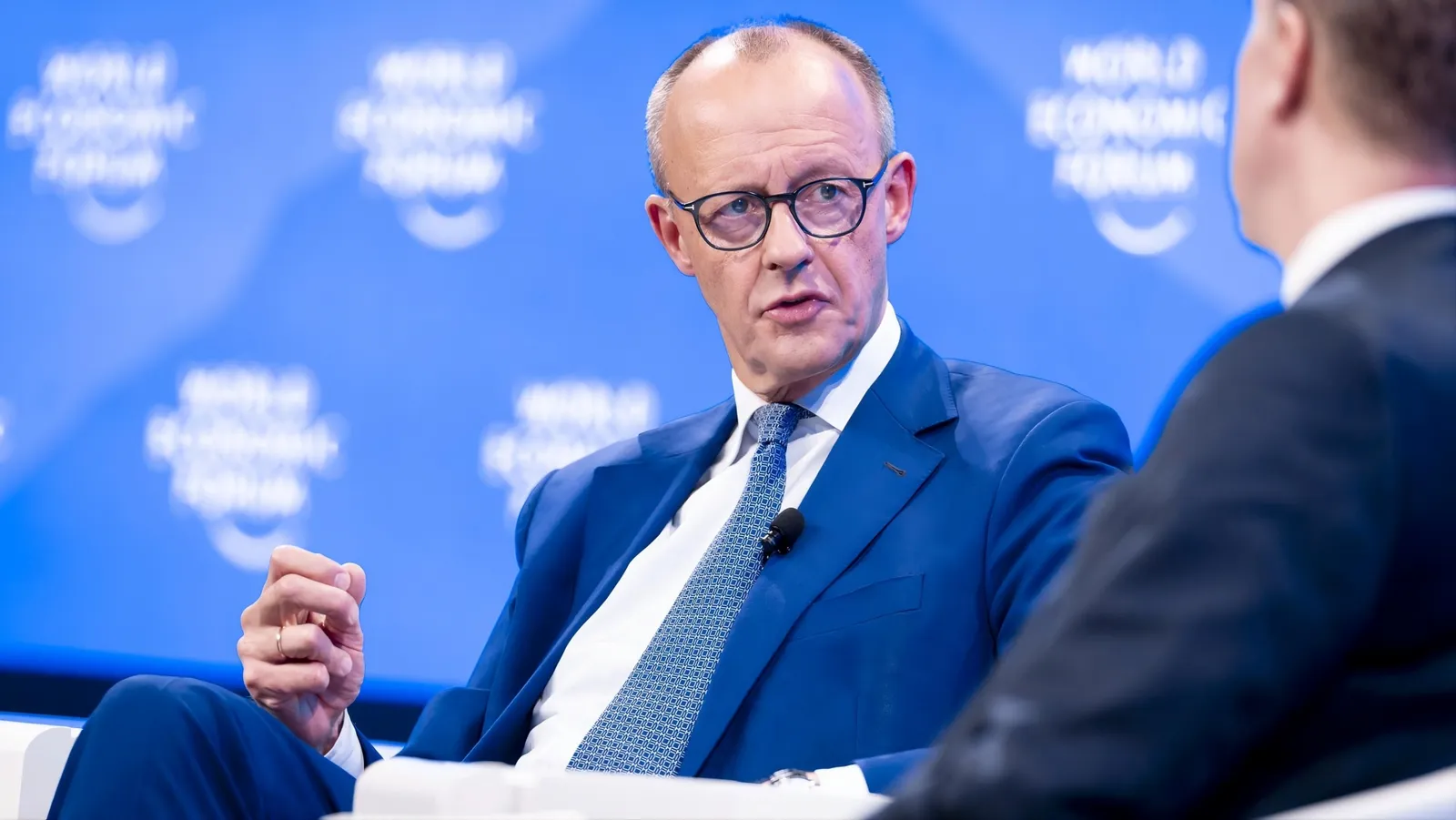
Germany does not want to merely watch as China and other Asian countries take the lead in automotive transformation. Chancellor Friedrich Merz has made it clear that the country’s leading industry must strive to regain its global leadership position in an era defined by electric vehicles, software, and increasingly fierce international competition.
Merz argued that Germany should remain one of the world’s key centers for automotive development and production. This message came at a particularly challenging time for Volkswagen, BMW, and Mercedes-Benz, which are under pressure from the rapid expansion of Chinese manufacturers, a particularly intense price war in China, and high costs associated with transitioning to electric vehicles.
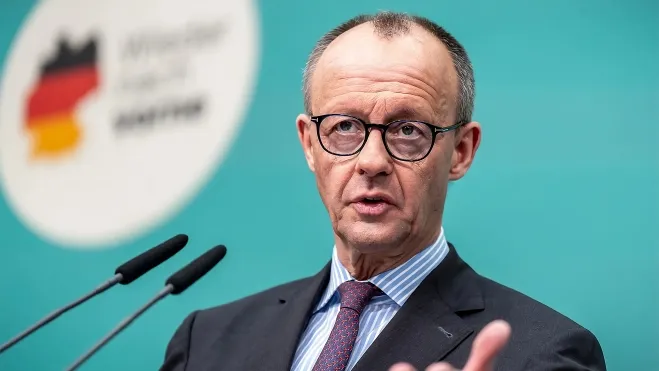
Germany Does Not Want to Limit Themselves to Following Transformation
The chancellor added that Germany aims to seize the opportunities presented by this transformation for both its automotive industry and the country’s overall economy. The official transcript from the German government also states that its goal is for Germany to remain among the world’s leading automotive and manufacturing hubs.
Merz also described the automobile industry as a “key industry” for Germany. This is no trivial matter: the sector remains one of the country’s main industrial drivers, employing hundreds of thousands of people directly and indirectly, and is one of its largest export sectors. The chancellor therefore advocated for better conditions so that manufacturers and suppliers can invest, develop new technologies, and maintain production within Germany.
The German government also promised to work together with manufacturers, suppliers, federal states, and trade unions in a focused dialogue about the future of the automobile industry. Merz assured that the government would stand by the industry to enhance its competitiveness and encourage new investments.
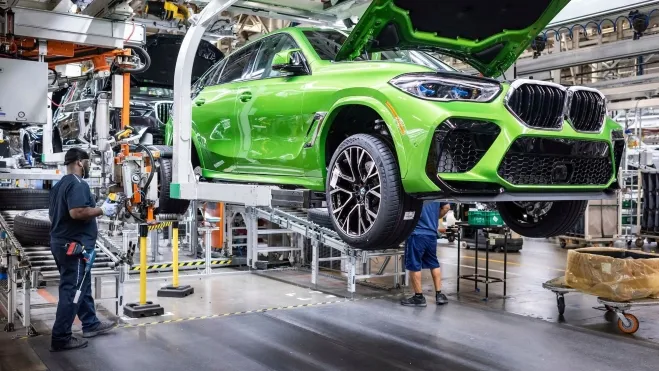
China has changed the rules for German manufacturers
The need to regain leadership is closely tied to the transformation experienced by the global market. For decades, German manufacturers were among the biggest beneficiaries of China’s market growth. Now, however, local brands such as BYD, Geely, and various manufacturers specializing in electric vehicles have significantly increased competitive pressure.
Reuters reported during that IAA that European companies were simultaneously facing a price war in China, weaker demand in Europe, and new trade barriers in the United States. Chinese manufacturers, on the other hand, had made rapid progress in areas such as batteries, software, and affordable electric vehicles.
Merz did not frame his speech as a call to close Germany’s market to foreign competitors. His message focused on the need for the country’s industry to regain its technological competitiveness and develop its own products that will shape the future of automobiles.
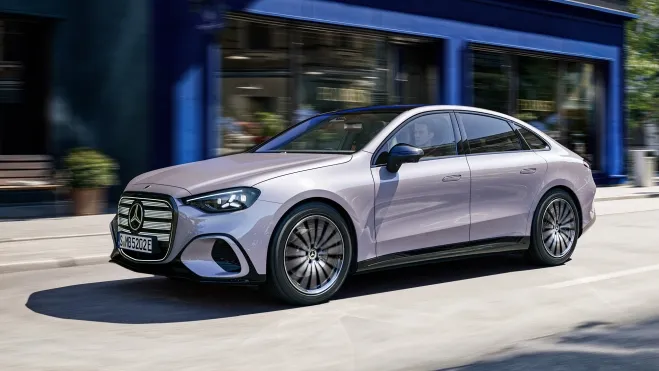
"The automotive industry is and will remain a key industry," said the chancellor. His goal, he explained, is to create a modern industry that becomes increasingly climate-friendly without sacrificing the production, jobs, and value added it generates in Germany.
This warning remains particularly relevant at a time when German manufacturers are implementing major cost-cutting and restructuring programs. Volkswagen, for example, continues to seek ways to improve the competitiveness of its German factories, while unions demand investment and protection against what they consider unfair competition from China.