
Is a plug-in hybrid Volkswagen Passat with almost 350,000 km on it worth just 8,900 euros?
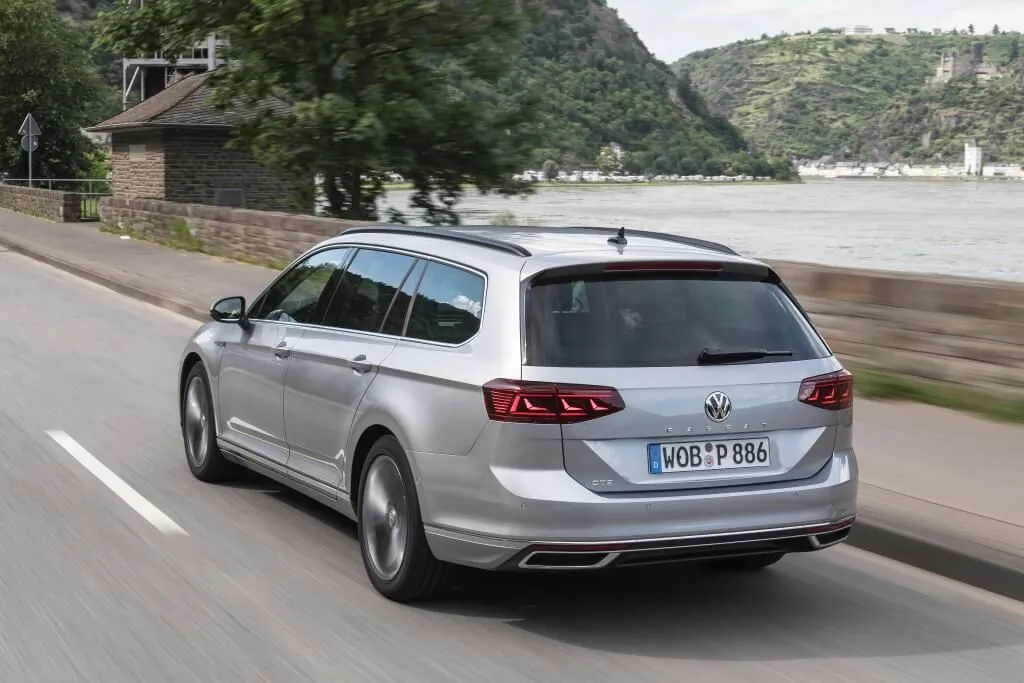
Purchasing a car, regardless of its engine type, with over 300,000 kilometers on it always involves some level of risk, but doing so when it also has a plug-in hybrid system adds an important uncertainty: what condition will the battery be in? This is precisely the situation that made it possible to conduct a test on a 2016 Volkswagen Passat Variant GTE that had already accumulated 349,575 kilometers.
The protagonist of this story is Aaron Hoekstra, a Dutch driver who was looking for a family car with enough space and reasonable operating costs. He eventually chose the Passat GTE, the plug-in hybrid version that was quite popular among business customers at the time due to its tax advantages and combination of a gasoline engine with an electric system. This model originally cost nearly 50,000 euros new.
The interesting part is that the buyer didn’t conduct a specific check of the battery’s condition before purchasing it. The car had a complete maintenance history and showed no particularly noticeable issues, so he decided to trust its overall condition. With such mileage, it might seem like a risky decision, but after several hundred thousand kilometers, the results reveal what actually happened to the electrical system.
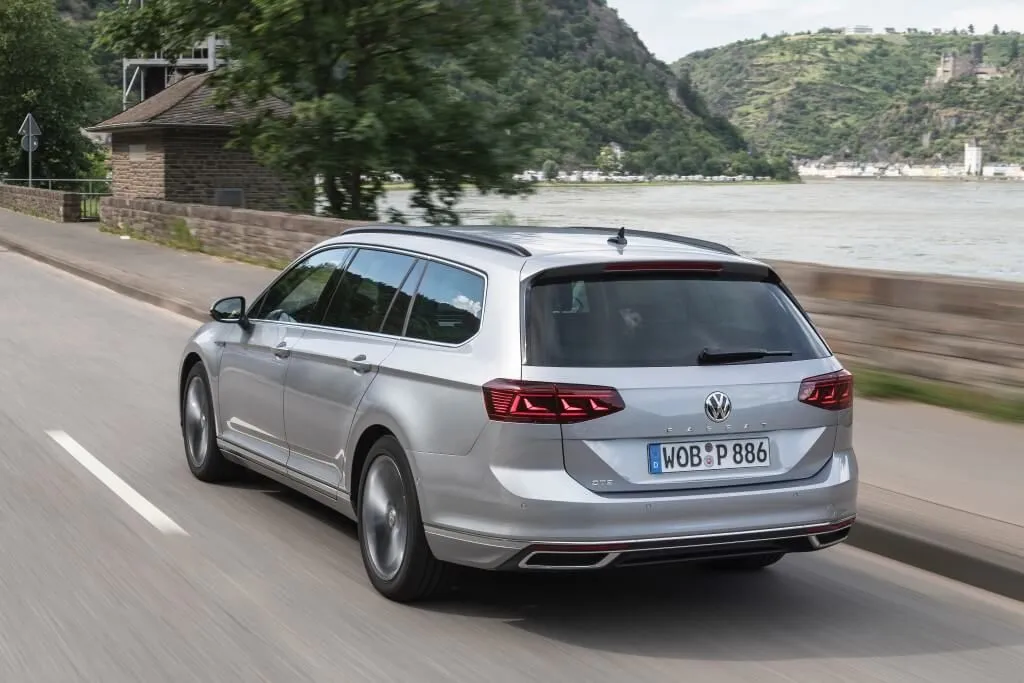
The Passat Variant GTE features a 5-door family sedan with dimensions of 4,767 meters in length, 1,832 meters in width, and 1,477 meters in height, along with a wheelbase of 2,791 meters. Its trunk capacity can reach 1,600 liters, though the hybrid system results in a considerable weight for a car of these specifications.
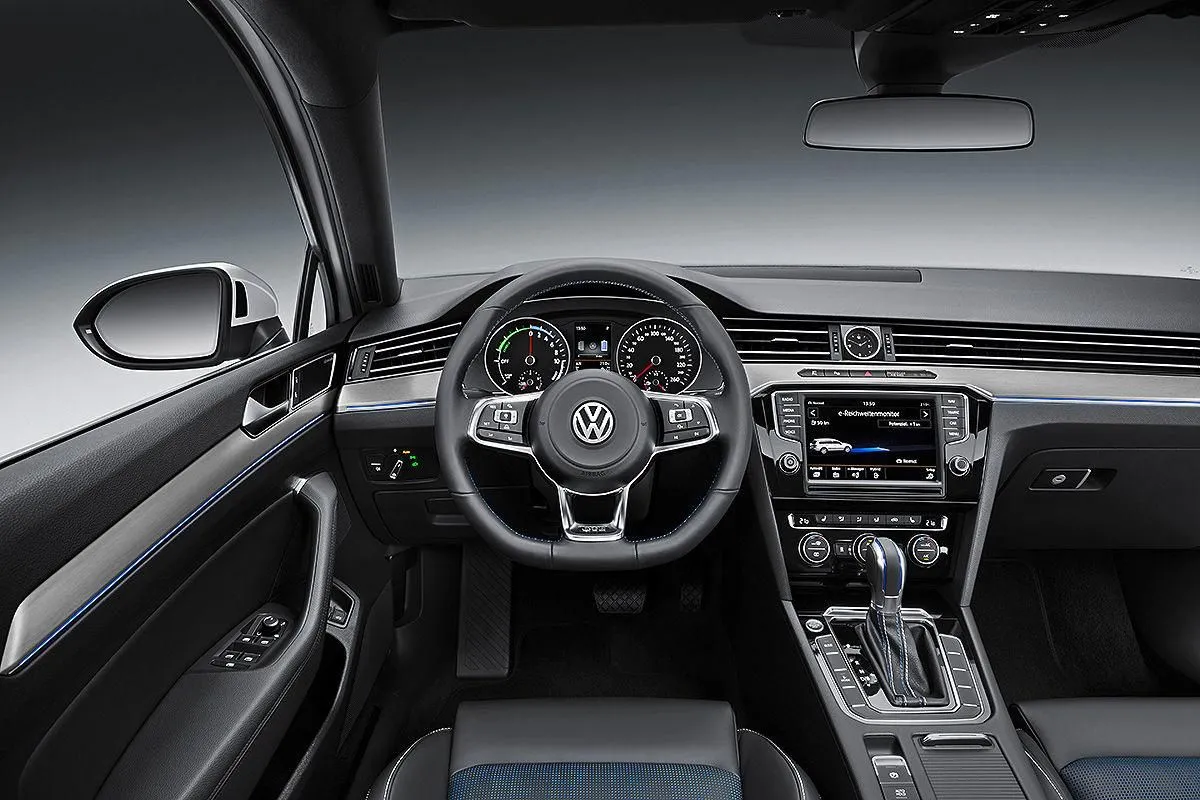
Inside, it offers the typical layout of that generation’s Passat, with a clear family-oriented design focused on long-distance travel. The model under review is equipped with a six-speed dual-clutch automatic transmission, and its standard features include a navigation system, electric seats, a panoramic roof, parking sensors, and lane-keeping assist in the version currently available in Spain.
The propulsion system combines a 1.4 TSI four-cylinder gasoline engine with an electric drive to achieve a combined power of 218 HP and a maximum torque of 400 Nm. It features front-wheel drive, with a DSG automatic transmission managing the integration of both systems. As a result, the Passat GTE can reach 225 km/h and accelerate from 0 to 100 km/h in 7.6 seconds.
The battery originally had a gross capacity of 10 kWh and a net capacity of 7.9 kWh. This isn’t particularly high, even by standards from a decade ago, but it allows the Passat to cover short distances using only the electric system. And that’s where one of the key aspects of this vehicle comes into play.
Aaron explains that under ideal conditions, he can travel about 30 kilometers in electric mode. In cold weather with the heating on, the range drops significantly. His usual use of the car also doesn’t involve trying to cover long distances electrically: he relies on the battery for short trips, such as going to the supermarket or moving around locally, while using the GTE mode for longer distances.
The car had also undergone a maintenance check related to the battery box, which could have issues with sealing and leaks. According to the owner, this repair had already been done on his vehicle, which is an important factor for anyone looking for a Passat GTE from those early years.
But the real test came when Aviloo analyzed the battery’s condition. With 349,575 kilometers driven, the Passat still had a net capacity of 5.99 kWh, down from its original 7.9 kWh. This results in a health status of 76%.
In other words, after nearly 350,000 kilometers and about ten years of use, the battery retains just over three-quarters of its original net capacity. This measurement doesn’t mean the car maintains 76% of its range from when it was new under all conditions, as factors like temperature, usage patterns, and driving conditions also play a role. However, it does provide an interesting insight into the aging of this system.
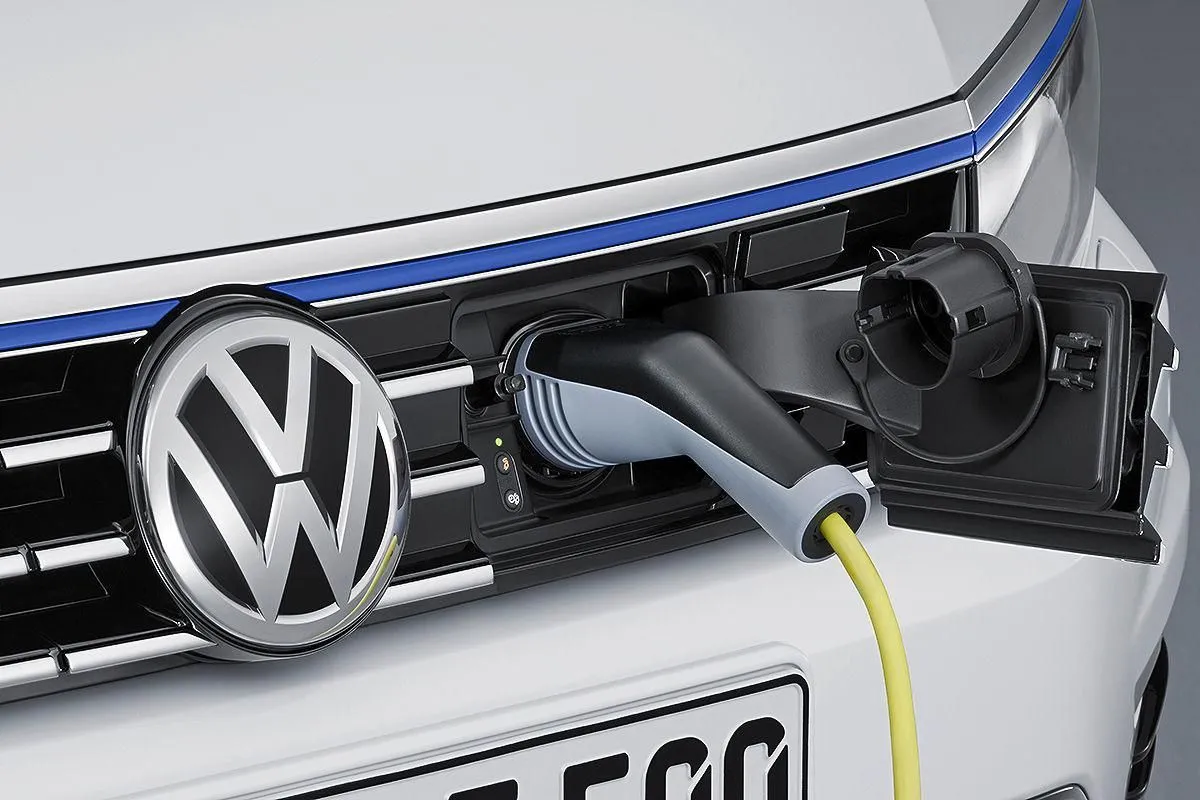
From Aviloo, they also point out an important issue with plug-in hybrids. A PHEV is not designed to be used exactly the same way as an electric car. Its battery is relatively small, and constantly subjecting it to full charge cycles can accelerate its wear and tear. In Aaron’s case, his usage seems quite moderate: short electric trips with the combustion engine used for the rest of the distance.
This aligns well with the measurement results. The owner says he expected a similar figure given the distance traveled and is satisfied with how the car is performing. His intention is to keep using it and even reach another 100,000 kilometers, which would bring the total mileage to nearly 450,000 kilometers.
For a Spanish buyer, this deal is particularly interesting given the price at which these units are available. The 2016 Passat Variant GTE with 325,000 kilometers, listed at 8,900 euros, sits in a market segment where the entry price is very low for a 218 HP vehicle, but the high mileage requires much closer inspection of the car.
And this is where it’s important to put the battery’s condition in context. A 76% health rating after almost 350,000 kilometers is an interesting figure, but it doesn’t automatically make any Passat GTE with 300,000 kilometers a recommended purchase. The battery is just one part of the system. Attention must also be paid to the 1.4 TSI engine, the DSG transmission, the hybrid system, the electronics, the suspension, the cooling system, and of course, the maintenance performed throughout the car’s lifetime.
Still, the result challenges the notion that the battery in a first-generation plug-in hybrid is inevitably rendered unusable after the vehicle has covered hundreds of thousands of kilometers. This Passat GTE has logged 349,575 kilometers while retaining 76% of its original capacity, and its owner claims it can still rely on the electric system for daily driving.
Therefore, if someone in Spain is looking at a 2016 Passat Variant GTE for around 8,900 euros with over 300,000 kilometers on the odometer, a battery test should be part of the negotiation and pre-purchase inspection. The Dutch case shows that mileage alone does not reveal the actual condition of the battery. One unit may have lost a significant portion of its capacity, while another with different usage and maintenance habits might be in a different state.
In this type of cheap used cars, knowing how much battery life remains can be much more important than relying solely on the mileage figure. And given that there are already models available for under 9,000 euros, paying for a specific inspection before purchasing might seem like a small expense compared to the cost of facing a major breakdown later on.