
Mercedes is withdrawing from its own network. Electra is taking over 47 hubs in Europe.
In the article:
- Why did Mercedes sell its European fast-charging network?
- How will this acquisition strengthen Electra’s position in the European market?
- Which operators dominate today’s charging market in Europe?
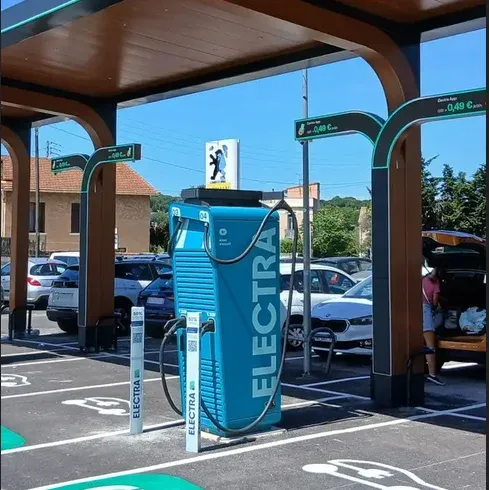
Electra acquires charging hubs
Several years ago, Mercedes-Benz announced plans to build its own global fast-charging network. Now it’s clear that, at least in Europe, the company has chosen a completely different approach. According to the Electric Cars Report, the manufacturer sold 47 high-power charging (HPC) hubs in Europe to the French operator Electra, which includes a total of 374 charging stations.
The most locations acquired are in Germany, where 31 facilities changed owners. Another six are located in Austria, with the rest spread across other European markets. According to Mercedes’ financial reports, the value of assets related to this network was around 99 million euros, though the company did not disclose the transaction price.
Drivers will not lose anything
The sale of the infrastructure does not mean an end to cooperation between the companies. Electra has become the new partner for the MB.CHARGE Public program. As a result, Mercedes drivers will retain access to the existing locations and will also gain access to over 800 Electra stations equipped with more than 5,000 charging points in ten European countries.
As the companies emphasize, users will still be able to search for charging stations through in-vehicle systems and mobile apps. Selected locations will also offer preferential charging rates and the option to reserve a spot in advance.
Electra Gains Strength
Electricdrive.tv notes that this acquisition is part of the French operator’s rapid growth. Electra is already among the fastest-growing companies in Europe’s electric vehicle charging market. The company operates over 800 charging stations and around 5,000 charging points in ten countries.
The German market holds special significance. Once the transaction is finalized, the number of Electry charging stations in Germany will increase from 50 to 81. The company also plans further investments. It intends to allocate 200 million euros to infrastructure development in Germany alone by 2027, and aims to reach 15,000 fast charging points across Europe by the end of the decade.
Scale economy wins
Mercedes’s decision shows how rapidly the electric mobility market is changing. Building and maintaining a charging network requires substantial financial investments for equipment purchases, power connections, land costs, maintenance, and energy. At the same time, operators must achieve a sufficiently large scale of operations for their investments to become profitable.
Mercedes apparently decided that leveraging existing partnerships would be more cost-effective than competing independently in the infrastructure market. “Rather than investing in building and maintaining its own charging stations, Mercedes will use collaborations with experienced operators to provide customers access to a larger charging network,” summarizes the Electric Cars Report.
Who dominates Europe’s charging market?
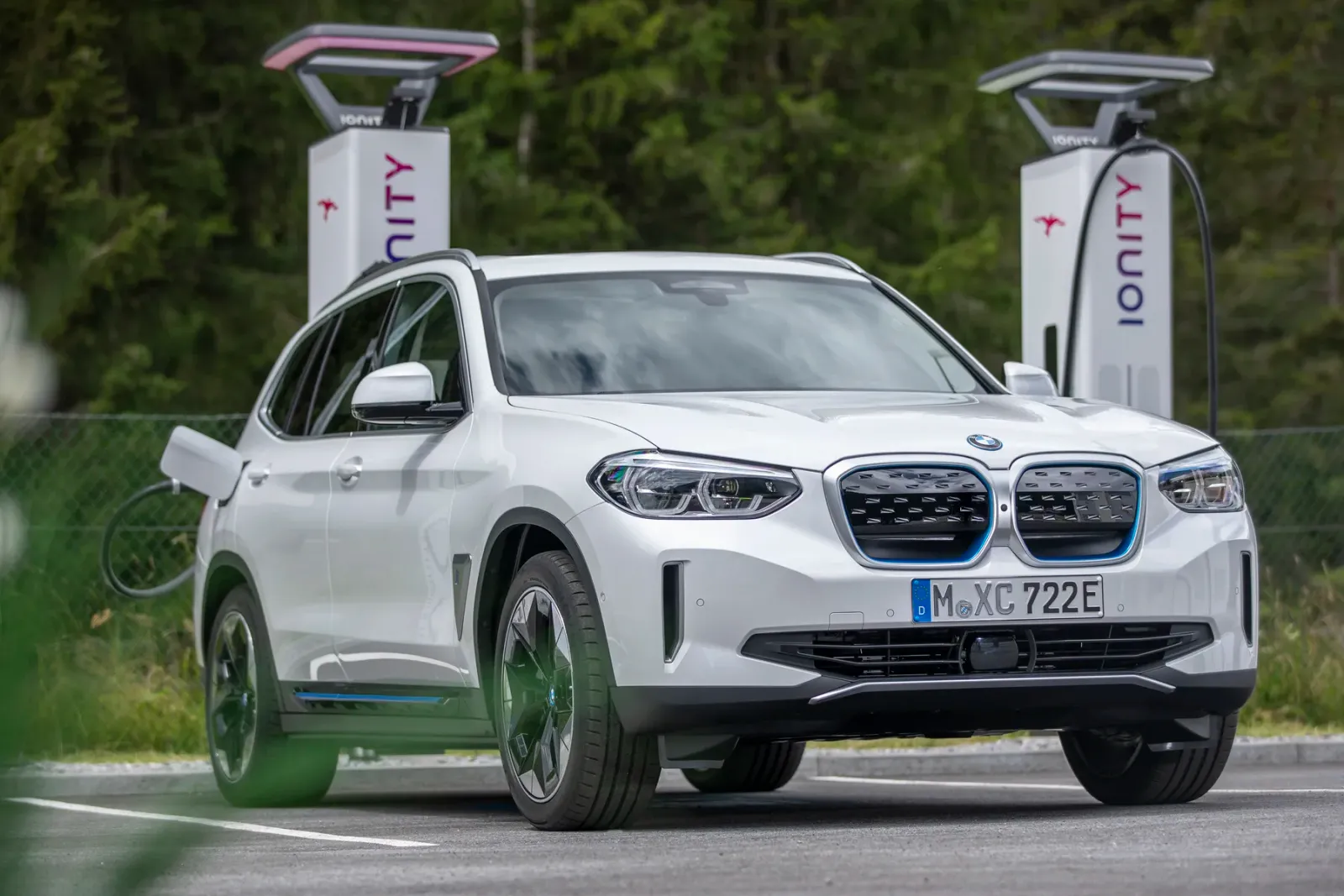
The acquisition strengthens Electry’s position, but the French company still must compete with the biggest players in Europe’s market. In the ultra-fast charging segment, Ionity remains one of the leaders, a joint venture of automakers including Mercedes, BMW, Ford, Hyundai, and the Volkswagen Group.
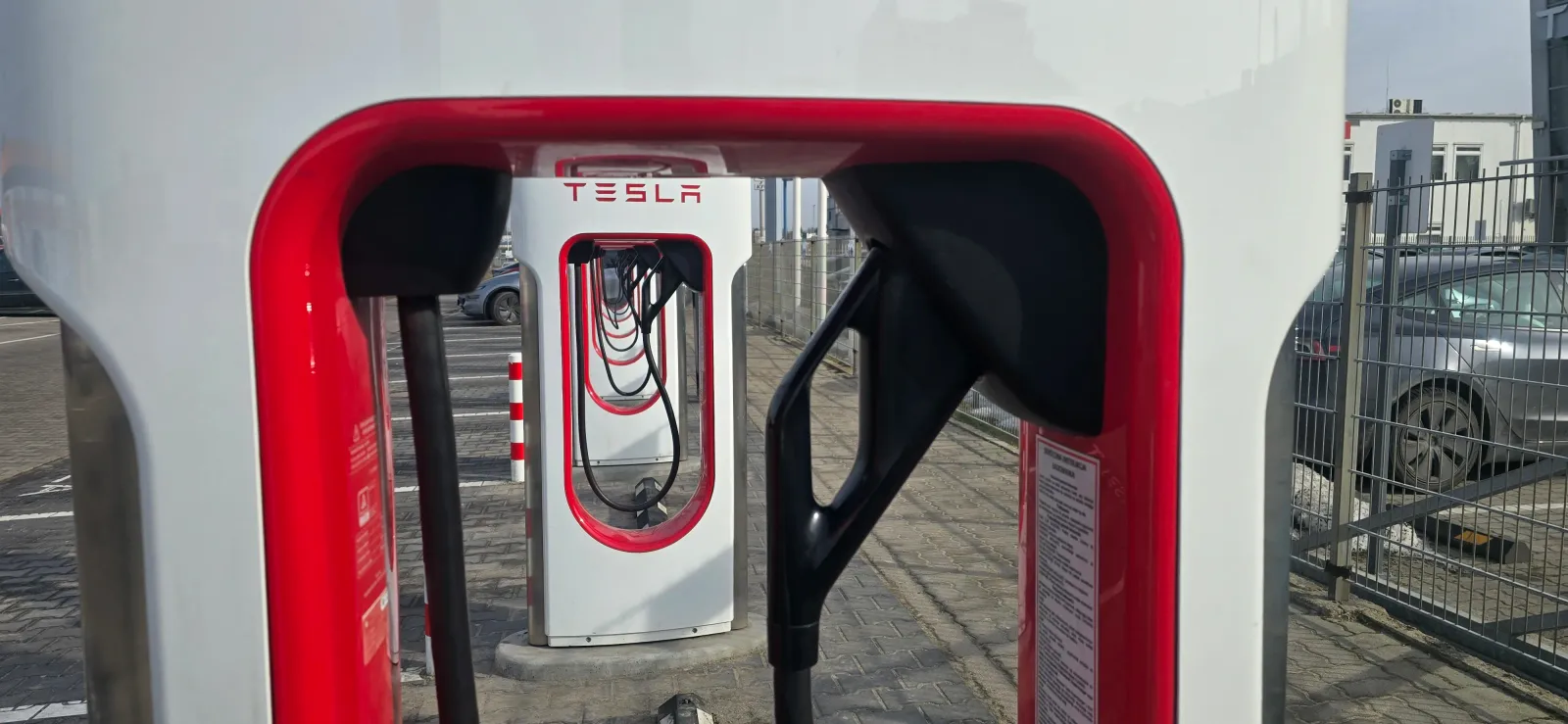
Tesla Superchargers also hold a strong position, as they serve not only vehicles from the American brand, along with Fastned expanding its network in Western Europe, Allego present in many EU countries, and operators from the energy sector such as EnBW in Germany, TotalEnergies in France, and bp pulse in the UK — reports EV Report.
Conclusion? Increasing competition is driving electric vehicle manufacturers to focus more on developing vehicles, power batteries, and software, while outsourcing infrastructure management to specialized partners. The sales of Mercedes’ European network could be one of the most prominent examples of this market transformation.
Oskar Włostowski