
Mercedes is developing a smarter battery. Weaker cells might not have to limit the entire electric vehicle
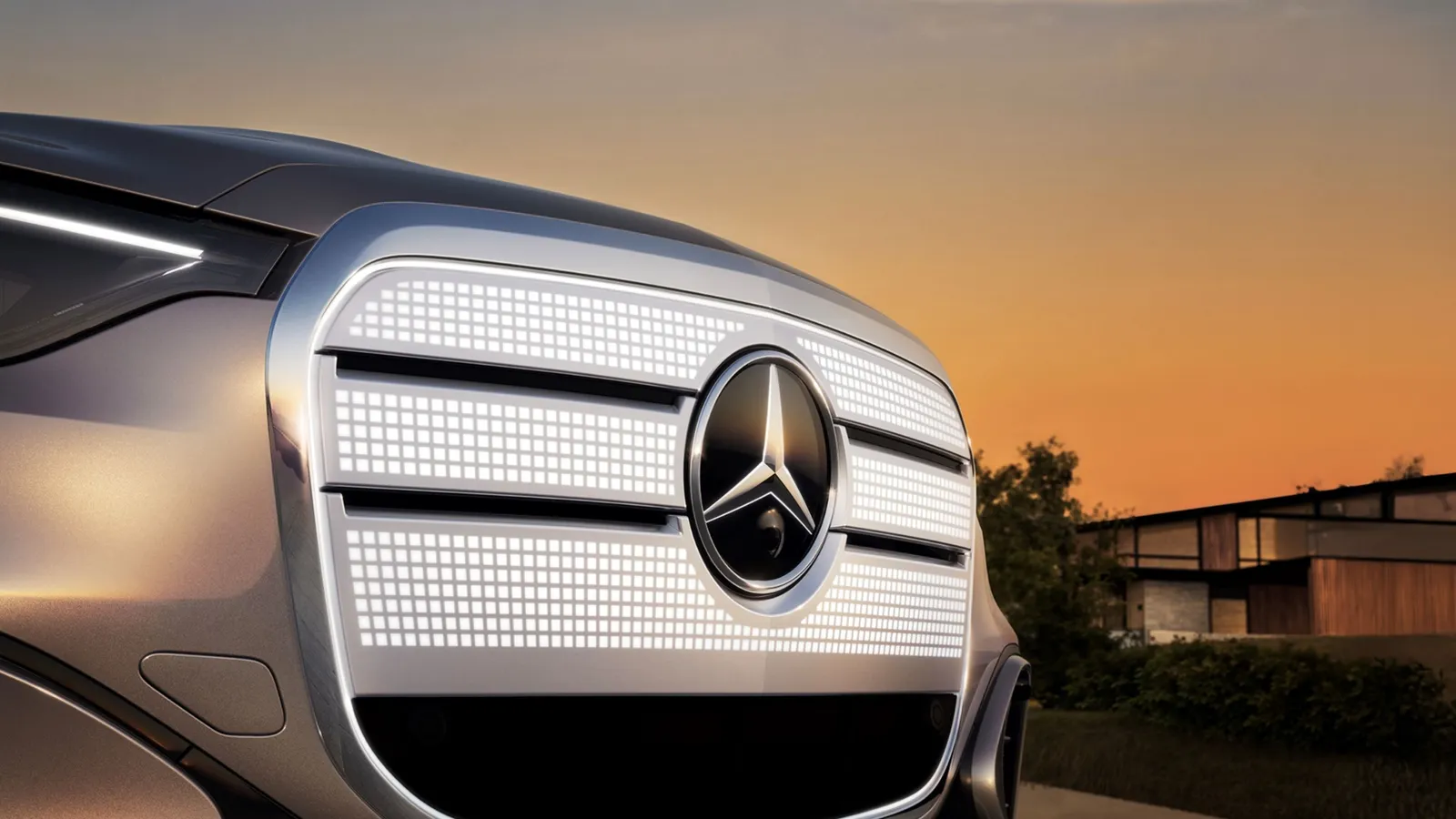
Mercedes-Benz is developing microconverters for independent control of battery cells. They could improve energy efficiency and simplify operation as batteries age.
Each cell under its own control
With electric vehicle batteries, we typically monitor capacity, range, and charging speed. Mercedes-Benz is now working to make changes inside the battery itself. The Power Converter technology aims to enable more precise control over the energy of individual cells or groups of cells.
Current batteries already use electronics to monitor cell status and balance them. Mercedes wants to expand control capabilities using programmable microconverters that can independently manage the charging and discharging of connected cells.
The output voltage could thus be controlled with less dependence on their series connection. The automaker mentions the possibility of a stable high-voltage output of up to 800 volts. This would give designers greater flexibility in designing both the battery and the drive system.
The weaker cell might be disconnected
What’s particularly interesting for drivers is the ability to better manage aging batteries. The individual cells don’t necessarily wear out evenly. The weaker part may then limit the use of energy that the other cells still have available.
One possible application of microconverters is to disconnect a problematic cell or group. The battery would lose some of its capacity, but the remaining cells could continue to function. Whether such a approach would be sufficient depends on the specific fault and the battery’s design.
A similar control system could also simplify the combination of cells of different ages or chemical compositions. Each component would receive appropriate charging and discharging conditions. However, this is a possible application of the principle, not an announced service procedure for current Mercedes models.
Electronics could handle more tasks
The Power Converter is designed to support conversion between alternating and direct current, as well as bidirectional energy flow. In the future, it could integrate functions that are currently handled by separate components, helping to create a more compact electric drive system.
Bidirectional charging opens up possibilities such as powering a household or feeding energy back into the grid. Mercedes also sees potential in improved efficiency. However, it has not yet specified the exact increase in range, weight savings, or cost reduction.
The technology is still under development, with no announced date for mass deployment. Its benefits will also depend on the reliability and cost of the new electronics. For owners, it would be most valuable if it allowed the battery to last longer even as its components begin to age.
Sources:
original text / Elektrickevozy.cz
Mercedes-Benz
InsideEVs
Don’t miss
Mercedes is developing a smarter battery. Weaker cells may no longer need to limit the entire electric vehicle
Praague police officers received electric Enyaqs. Each one cost nearly 1.4 million
Buying a used electric bike? A new battery passport will simplify checking its condition