
Mercedes struggles in China: its electric cars see sales drop by up to 98%
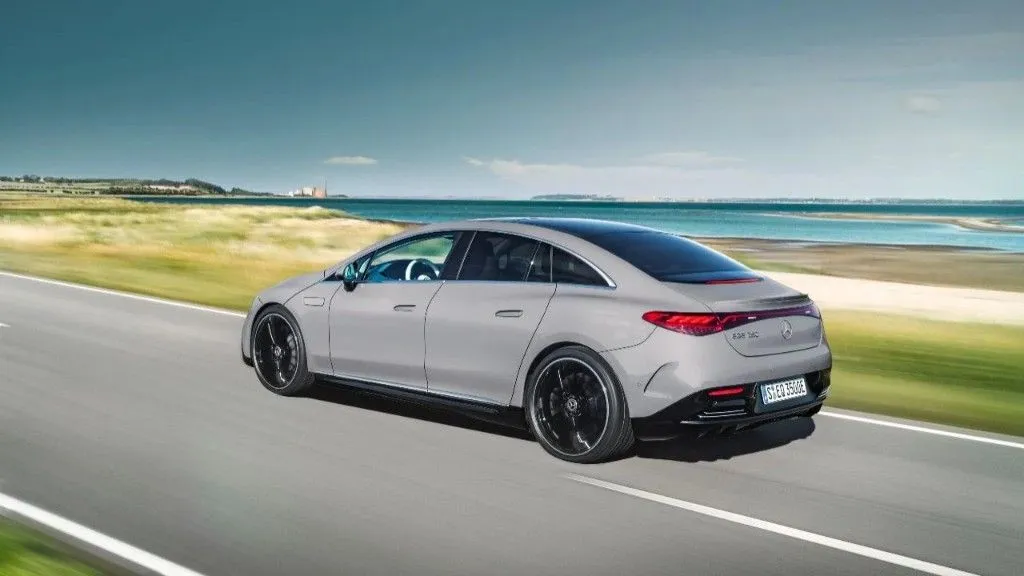
Mercedes-Benz is facing one of the most challenging periods in its recent history in China. The German brand, which for years turned the Chinese market into one of its key growth pillars, now deals with a particularly tough combination: lower demand, much stronger local competition, and an electric lineup that has failed to convince Chinese buyers.
Official company data show this is not a temporary issue. In 2025, Mercedes-Benz Cars delivered 551,900 cars in China, 19% fewer than the previous year. 2026 has only deepened this trend further.
In the first half of 2026, Mercedes-Benz sold 210,200 cars in China, 28% fewer than in the same period last year. Just in the second quarter, sales dropped to 98,600 units, a 30% decline.
Mercedes EQE lineup on track for complete disappearance
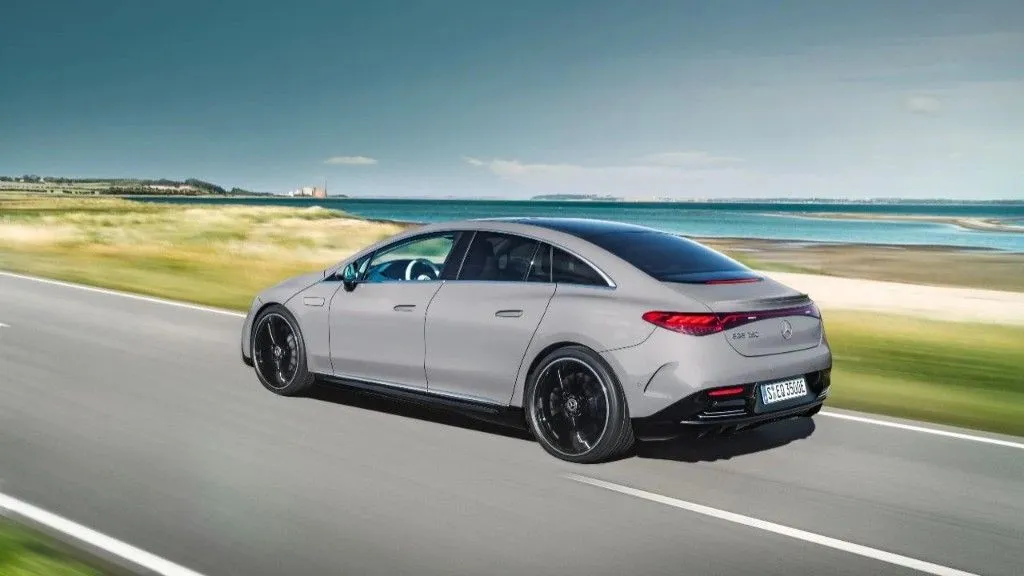
The situation becomes even more striking when looking at electric vehicles separately from the rest of the model lineup. Some of the models that were supposed to represent Mercedes-Benz’s new generation are showing extremely low sales figures in China. In August, only 6 units of the Mercedes EQE were registered across China, bringing the annual total to 190 units for 2026 — a 95.8% decline from the previous year. The Mercedes EQE SUV saw 14 units sold in August, for a cumulative total of 804 units, representing a 94% drop. The Mercedes EQB registered just 5 units in August, with an annual total of 1,966 units, a 98.3% decrease.
The situation with the new Mercedes CLA electric vehicle is not turning out to be as disappointing as the company had hoped. Positioned as one of the key models in the new generation, its sales in China amounted to just 93 units in August, with a total of 289 units sold throughout the year. For comparison, the Tesla Model 3 saw 89,320 units registered from January to August.
The CLA entered the Chinese market with an 800-volt platform, a long-range version, and technology developed to meet the needs of local buyers, yet its commercial performance is far behind that of Chinese manufacturers.
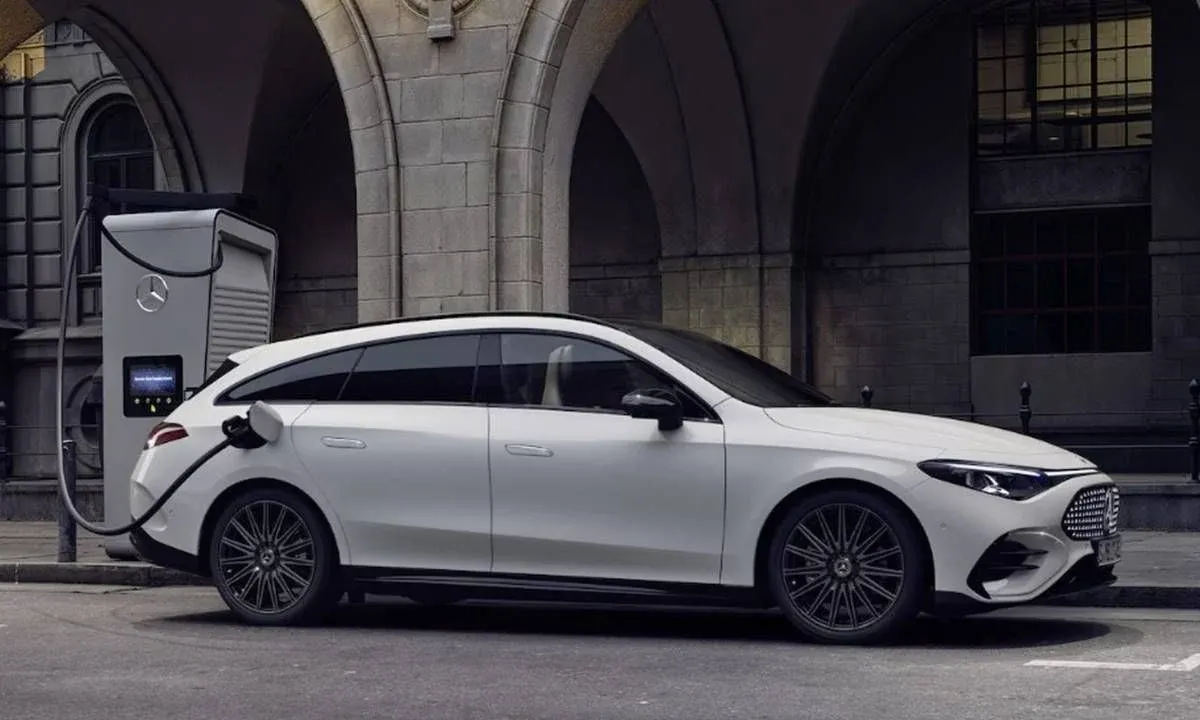
The issue is particularly significant because Mercedes-Benz has indeed seen an increase in its global sales of electric cars. In the second quarter of 2026, it delivered 52,852 electric vehicles, 50.9% more than a year earlier, while it sold 97,110 in the first half of the year, a 28.2% increase. In other words, Mercedes’ electrification strategy isn’t completely failing: it’s performing much better in other markets, especially Europe, but it hasn’t managed to replicate that success in China.
The explanation lies largely in the speed at which the Chinese market has evolved. Mercedes-Benz still enjoys a strong brand image and maintains a leading position among luxury cars priced over 1 million yuan, but in lower segments it faces manufacturers that have advanced much faster in terms of technology, connectivity, driver assistance systems, and price-to-specification ratios. Mercedes itself acknowledges the need to accelerate the localization of its products and technologies to meet expectations that have changed dramatically.
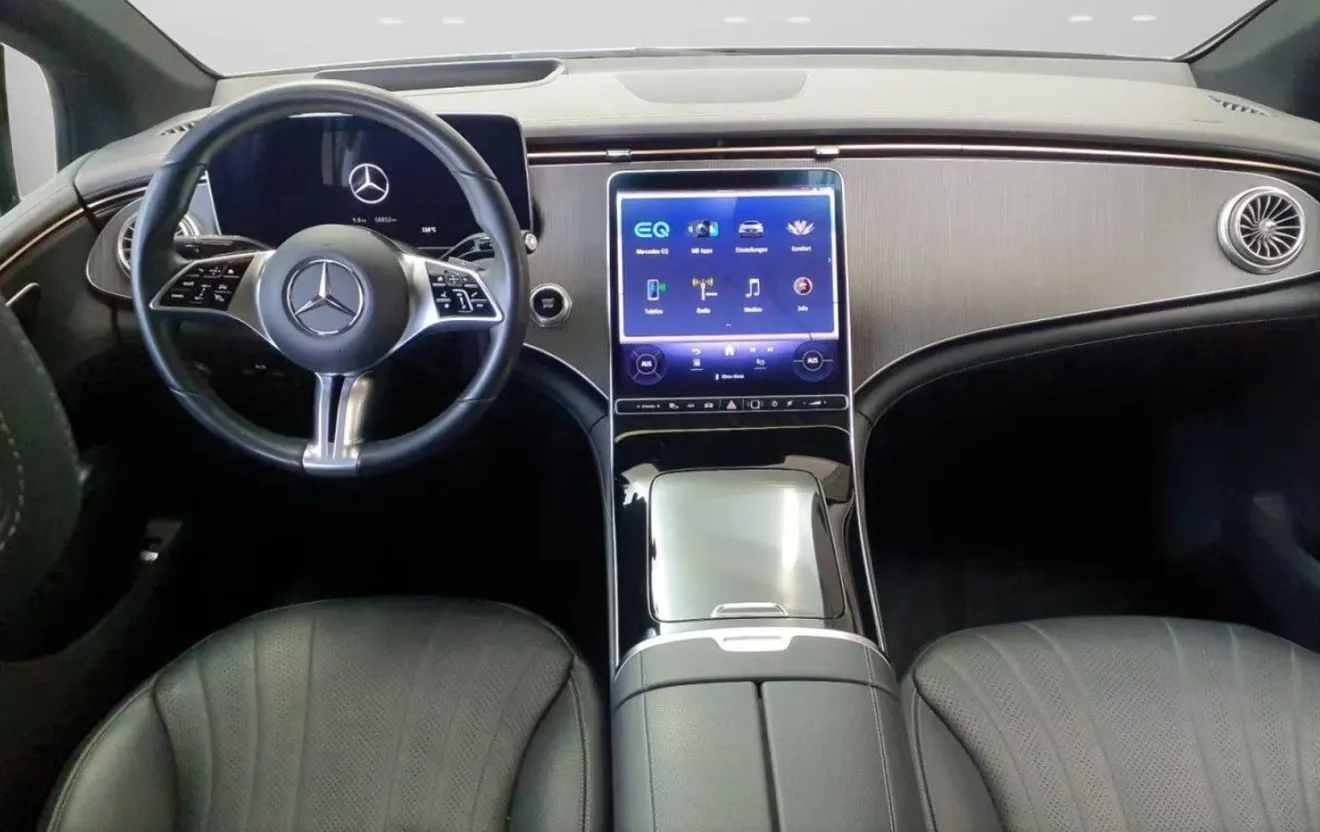
The difference is especially evident in electric cars. While Mercedes initially focused on creating an EQ lineup with a distinct aesthetic, manufacturers such as BYD, Xiaomi, NIO, Li Auto, and XPeng have developed products that incorporate digital functions, driving assistants, and systems tailored specifically for the Chinese market. Mercedes’ historical advantage in perceived quality and prestige is no longer sufficient to justify price differences against increasingly sophisticated local competitors. Reuters noted that German manufacturers are losing ground to Chinese electric car brands, especially among younger buyers.
Mercedes-Benz seems to have finally accepted that its initial electric strategy did not work as expected. Now the company is preparing a major overhaul of its lineup for 2027. The Mercedes EQE, in both its standard and AMG versions, will be removed from the range, along with the Mercedes-AMG S63 and the Mercedes-Maybach EQS SUV. The Mercedes EQS and Mercedes EQS SUV will remain for now, but it appears they too will have successors under the brand’s new electric design philosophy.
The problem for Mercedes is that once its market position is lost, it is very difficult to regain it, especially when offering products that are more expensive and less capable than those of its competitors. These are traditional manufacturers still producing cars in the old way, unable to adapt to a different type of customer who values technology as much as design or performance.
And now Chinese brands are expanding their networks in Europe across all segments, including the most premium ones, targeting new generations of customers who are less influenced by brand value—buyers who are more neutral and place increasingly less emphasis on brands.
