
Mercedes is aligning its electric vehicle strategy more closely with its loyal customers
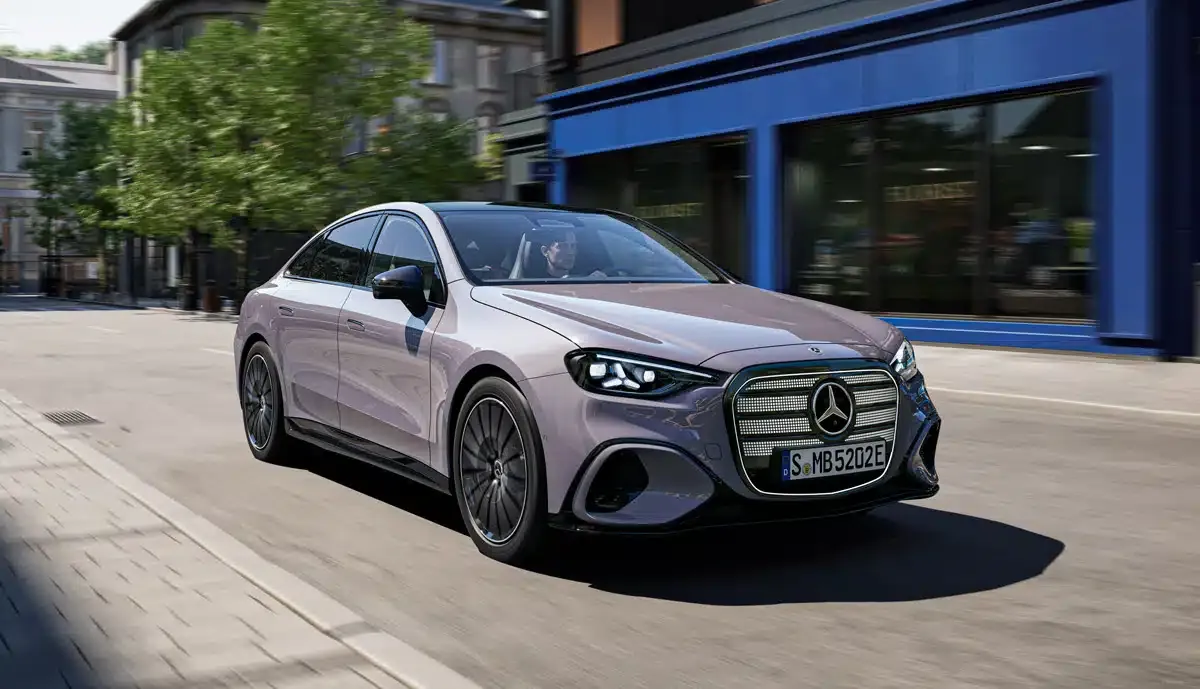
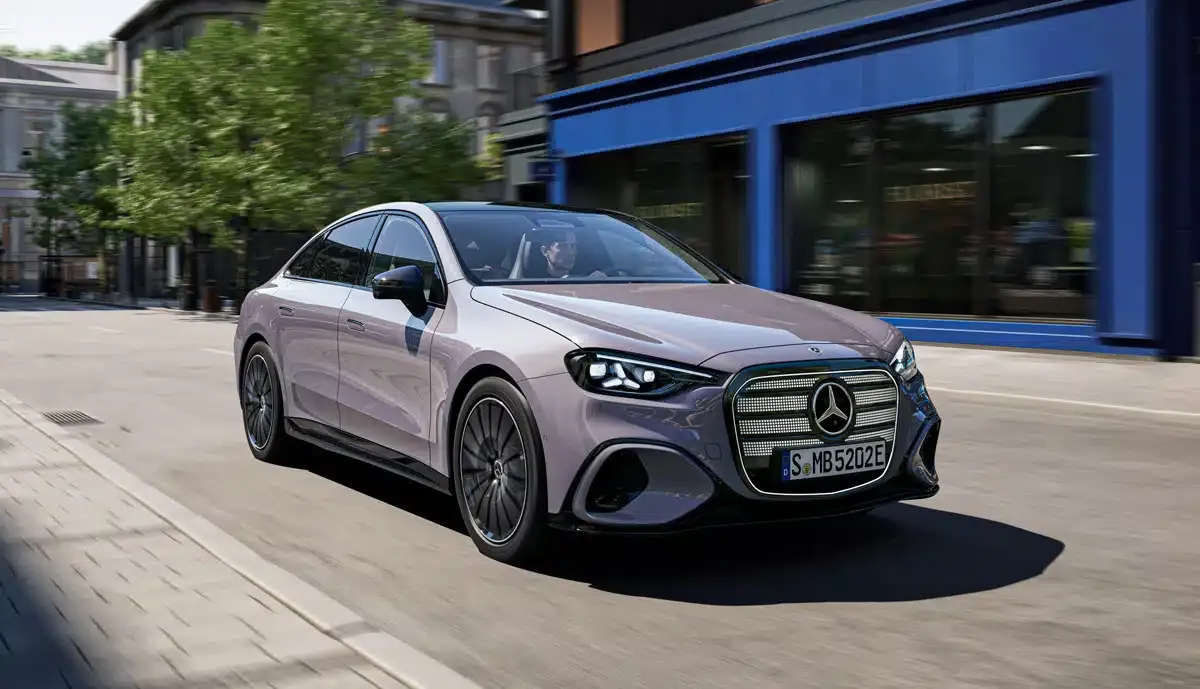
Image: Mercedes-Benz
Mercedes-Benz is making its electric vehicles look more similar to their conventional engine-powered models. While earlier electric cars like the EQS and EQE were deliberately designed to stand out on their own, future electric and internal combustion engine models are set to appear much more similar. According to CEO Ola Källenius, this is because electric mobility is increasingly entering the mass market.
"With the first electric vehicles to hit the market, we gained new buyers for the brand. Perhaps they only came to appreciate Mercedes later in life," said the CEO in an interview with Autocar. "Traditional Mercedes customers are now getting on board as well. But if they still want a high-tech internal combustion engine, we can provide that. It’s no problem. The customers decide for themselves when they want to make the switch."
The fully electric EQS and EQE, along with their SUV counterparts, continue to follow a distinct design language focused heavily on aerodynamics, setting them clearly apart from the internal combustion engine versions of the S- and E-Class as well as the GLS and GLE. However, with the new electric versions of the GLC and C-Class (featured in the article image), Mercedes is introducing a strategic shift: going forward, the choice will focus more on the powertrain, while the vehicle concept and appearance remain largely consistent.
Mercedes relies on an architecture strategy
Technically, the separation remains. The EQS and EQE sedans and SUVs are based on the Electric Vehicle Architecture 2 (EVA2). The new CLA fills a transitional role: this mid-size car moves away from the distinct “One-Bow” design of the EQE and EQS and, with more conventional proportions, gets closer to the rest of Mercedes’s model lineup. At the same time, it is the first model built on the Mercedes Modular Architecture (MMA), which was developed primarily for compact and mid-size electric vehicles but also supports mild hybrid powertrains.
The purely electric versions of the GLC and C-Class utilize Mercedes-Benz Electric Architecture (MB.EA), whereas the combustion-engine versions are based on other platforms. For electric vehicles with particularly high performance demands, Mercedes-AMG has also developed its own dedicated electric vehicle architecture called AMG.EA. The first vehicles designed from the ground up as electric AMG models will be built on this architecture.
"The key lies in a well-thought-out architectural strategy," said company CEO Källenius. "If every screw and nut in each of these vehicles had to be new, it would never be possible. But with a modular strategy and a strategy for the operating system platform—essentially the vehicle’s entire brain and central nervous system—it’s not necessary to develop something entirely new every time."
While Källenius believes the industry has “made the breakthrough” on the path to electrification, he admitted that “consumers are not quite there yet.” The Mercedes chief said his company has “not deviated” from its goal of offering only electric vehicles, but it also hasn’t given up on its commitment to “highly advanced electrified combustion engines.”
Also interesting
About the author
Thomas Langenbucher is an expert in electromobility with experience in the automotive and financial industries. Since 2011, he has been covering electric cars, sustainable technologies, and mobility solutions for ecomento.de. Learn more.
Reader interactions