
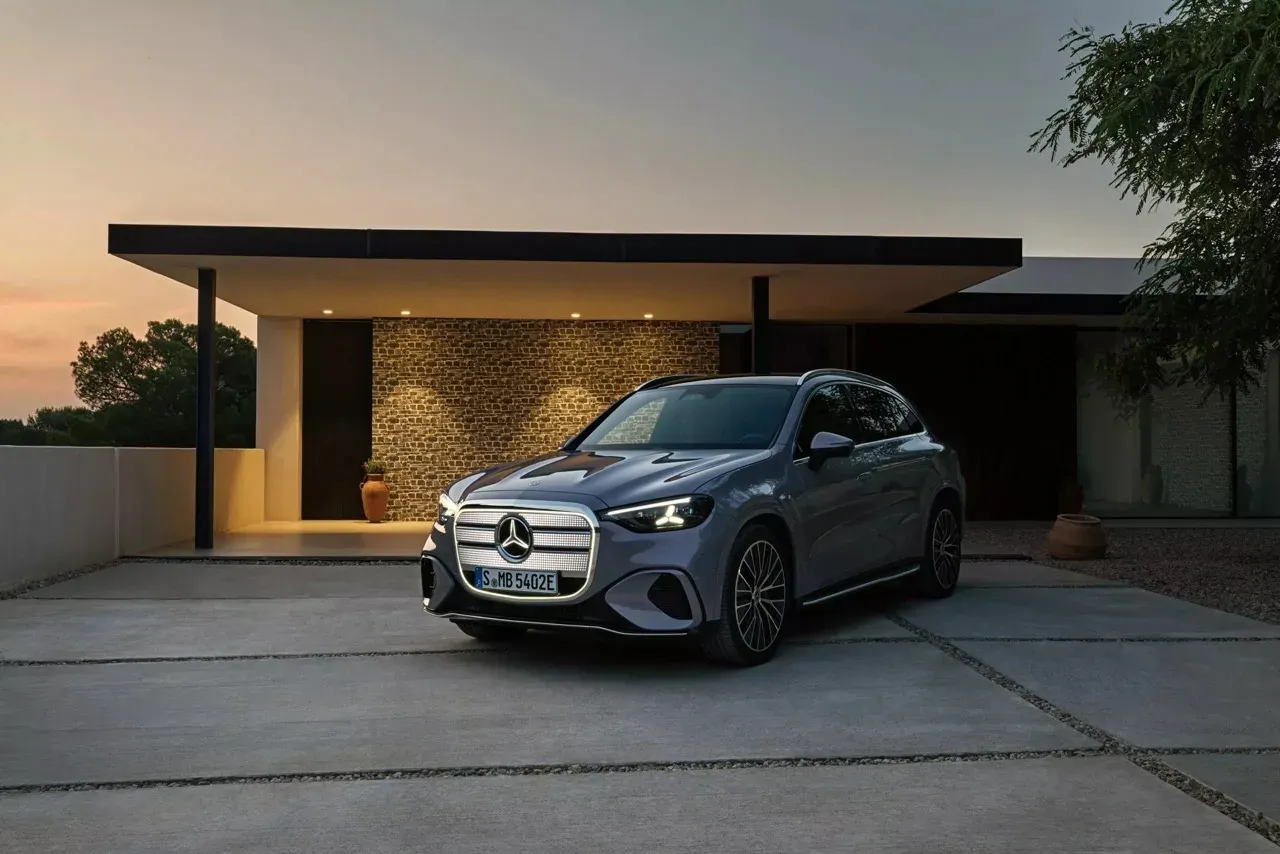
Mercedes is struggling to keep up with production. There is now a half-year wait time for the electric CLA and GLC.
In short:
There is currently a waiting period of about six months for electric Mercedes CLA and GLC models
The electric CLA has already seen over 71,000 registrations in Europe since its market launch
In the third quarter of 2026, Mercedes sold a record 78,100 electric vehicles
The company is increasing battery production and preparing additional electric models, including the E-Class and A-Class
Mercedes surprised by the success of its electric cars. CLA and GLC are exceeding expectations
Not long ago, the German automaker — like many others — struggled with questions about the pace of its electric transition. Today, the problem is entirely different. The German manufacturer is struggling to meet orders for its latest electric models. During the brand’s 140th anniversary celebrations, Mathias Geisen, the executive in charge of sales, admitted that interest in new cars based on the 800 V architecture far exceeded the company’s expectations.
According to JESMB, the waiting time for the electric CLA and GLC models is currently around six months. This means that a customer who orders a custom-configured car today will not receive it until spring 2027. Per JESMB’s reporting, “the influx of orders for electric cars exceeds the company’s internal projections.”
Mercedes CLA outperforms its gasoline-powered predecessor
The level of interest is best illustrated by data from research firm Dataforce, published by “Handelsblatt.” According to this data, since its market debut in September 2025, the electric Mercedes CLA has been registered in Europe over 71,000 times. This translates to an average of about 5,400 new registrations per month.
This figure is significantly better than that of the previous generation of the model, which was available only with combustion engines. Between 2021 and 2024, the car averaged around 3,500 registrations per month in European markets.
Data suggests that customers not only accepted the electric version of the CLA but actually preferred it over the gasoline model, which for years has been one of the most stylish cars in the brand’s lineup.
A Record Quarter for Electric Cars
An even stronger indicator of this shift is the overall performance of the brand. According to Electrive, in the third quarter of 2026, Mercedes-Benz sold 78.1 thousand fully electric cars worldwide. This represents a 24 percent increase compared to the second quarter and a whopping 52 percent rise versus the same period last year. The share of electric cars in the group’s passenger car sales rose from 9.6 percent in the second quarter of 2025 to 16.8 percent. This means that in recent months, almost one in six new Mercedes cars delivered to customers was an electric vehicle.
“Mercedes-Benz Cars achieved its highest quarterly sales of all-electric vehicles in the company’s history,” emphasized Mathias Geisen. He added that the main driver of growth is the electric GLC, whose sales more than tripled compared to the second quarter.
Orders extend into 2027
According to Geisen, European customers have purchased almost all of the new electric models available for this year. “Our new electric models — GLC, CLA, GLB, and GLA — are sold out in Europe for the rest of the year, with order books extending into 2027. This shows that our model offensive is in full swing,” said the manager.
Additional data published by JESMB show that global demand for electric Mercedes vehicles increased by 40% year-on-year. In Europe, the growth rate reached 60%, while orders in Germany are said to have doubled.
Battery factory operates almost around the clock
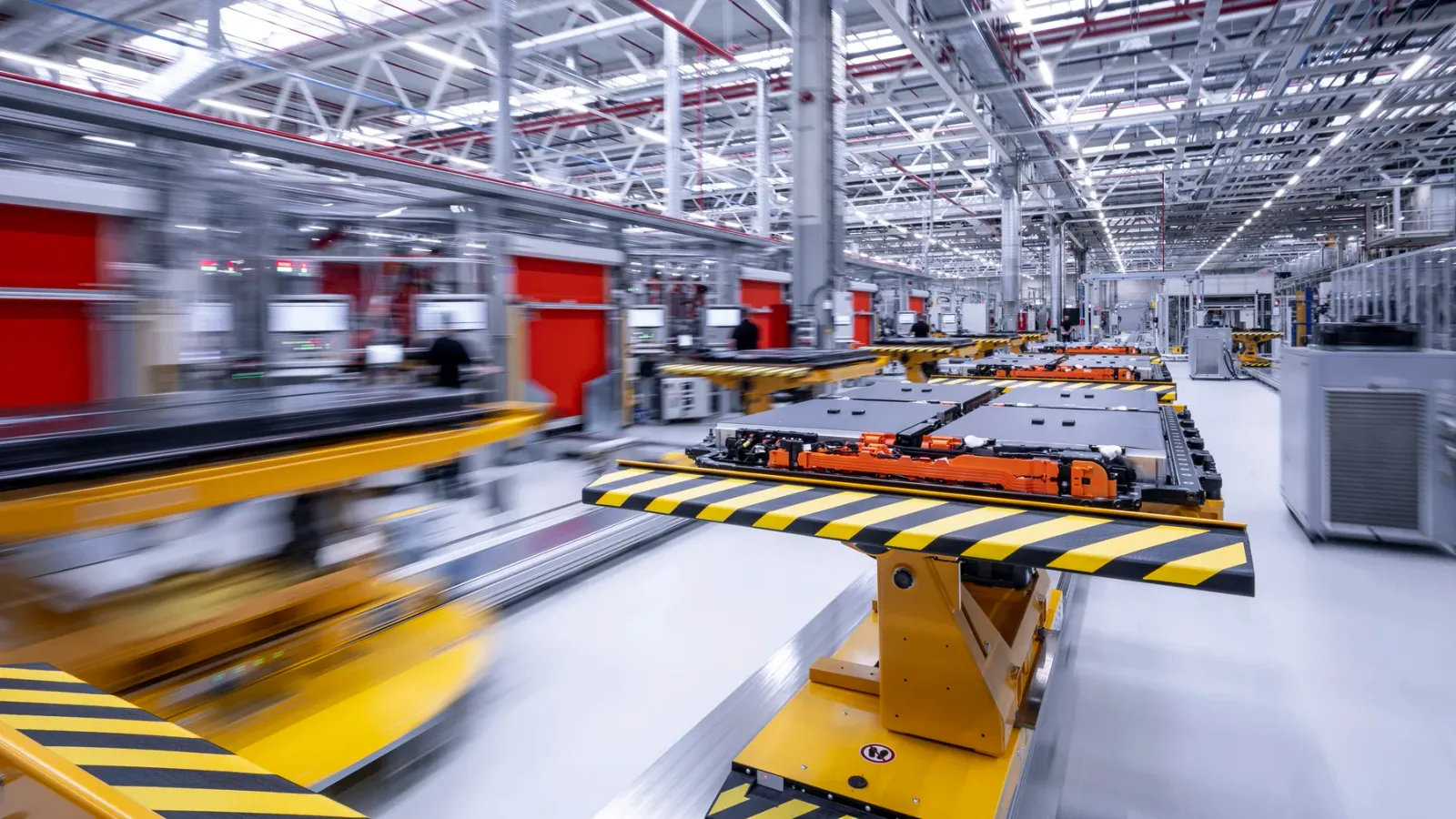
Rising demand requires increased production. That’s why Mercedes’ subsidiary Accumotive implemented a six-day, three-shift system at its plant in Kamenz, Saxony. The factory has been working practically around the clock since June to assemble traction batteries for new electric models. This is particularly important after earlier issues with starting production of the electric GLC. As Electrive previously reported, supply constraints were caused by shortages of certain key components, including batteries and electrical wiring parts.
The situation looks much better today. According to data from Germany’s KBA, both the CLA and GLC models ranked in the top ten most registered electric vehicles in Germany as of September 2026. Each of them exceeded 2,000 registrations in just one month.
The GLC’s performance on a European scale is even more impressive. According to Dataforce’s calculations, the model saw nearly 7,400 new registrations in September. For comparison, its gasoline-powered predecessor reached a maximum of around 6,500 registrations per month in its best year on the market.
This is just the beginning of the offensive
Mercedes has no intention of slowing down. Electric versions of the C-Class, GLA, and GLB are already available on European roads, which could further boost interest in the brand. According to industry sources cited by “Handelsblatt,” an electric E-Class is set to be unveiled at the IAA exhibition in Munich in 2027. A new electric A-Class is expected to join the lineup a year later. Meanwhile, the manufacturer is also working on additional variants of the legendary G-Class.
Oskar Włostowski