
Mercedes pulls back on its charging network in Europe: Electra keeps its stations
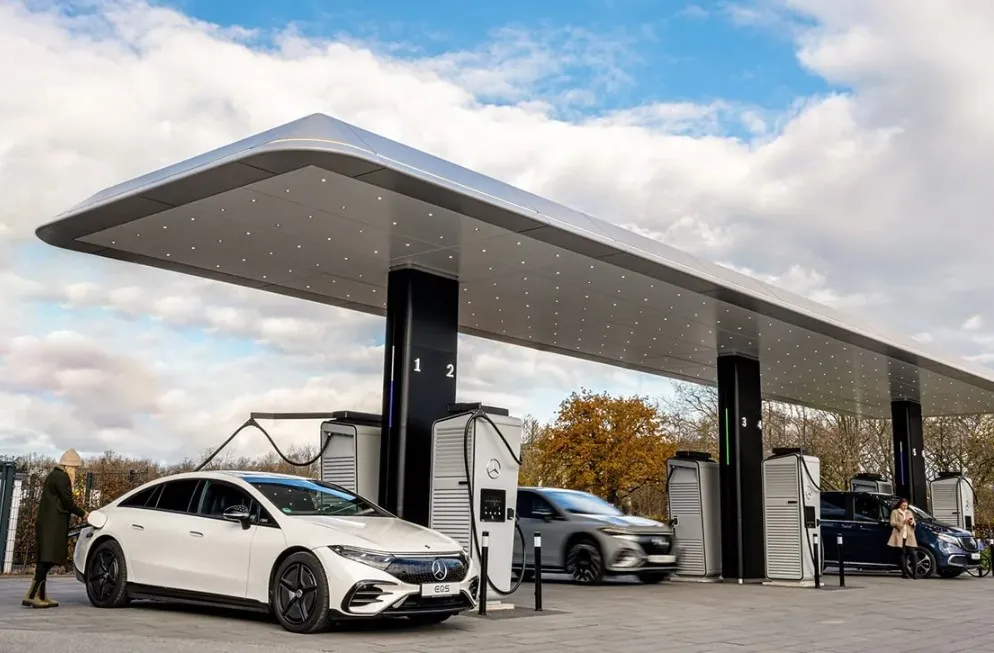
After presenting its own charging stations as a key part of its push for electric vehicles—a move that is somewhat unusual given that the German brand is part of the Ionity consortium—it has now decided to step back and sell the network to the French operator Electra.
The deal includes 47 stations with 374 fast charging points, which will be integrated into the French company’s network. Germany has the largest number, with 31 installations, while six more are located in Austria. The rest are spread across various European markets. For Electra, this acquisition represents a particularly significant expansion in Germany, where it will increase its number of stations from 50 to 81 after starting operations in May 2025.
The agreement also makes Electra a preferred partner of MB.CHARGE Public, Mercedes’ charging service. Customers of the brand will enjoy favorable terms for access to a network of over 800 stations and more than 5,000 charging points across ten European countries. Electra joins Ionity, in which Mercedes holds a stake and which was previously the only operator offering this service category.
The contrast with previous plans is significant. Mercedes launched its network in 2023 with the goal of having over 10,000 fast-charging points worldwide by the end of the decade. Just about a year ago, it was still talking about expanding it to eight additional countries. Now, at least in Europe, it is giving up managing its own facilities in favor of partnerships that allow it to maintain advantages for its customers.
The decision had been made months earlier. Based on the manufacturer’s quarterly report, the board approved the sale in July 2026, and the contract was signed on August 3. The price of the deal has not been disclosed. The documents indicated that the accounting value of the network’s assets was 99 million euros, of which 73 million came from tangible assets, against liabilities of 21 million.
Electra Expands While Mercedes Retains Preferential Access
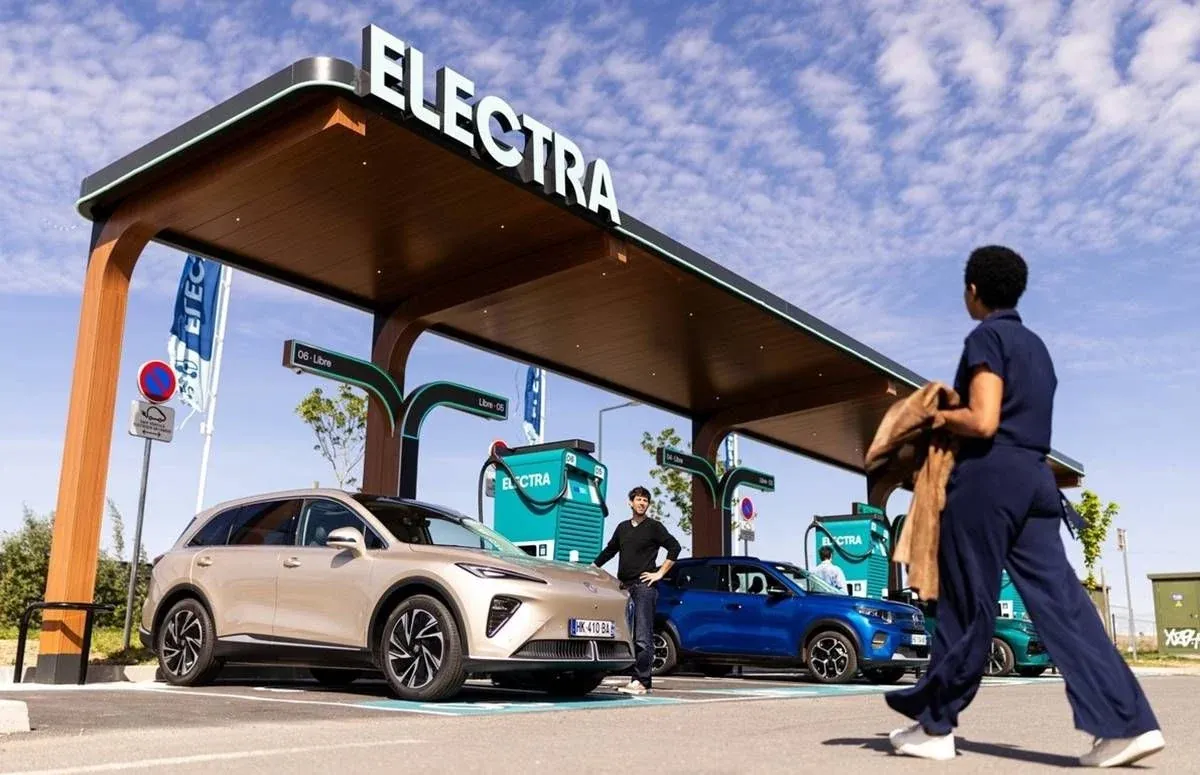
The sale also includes facilities equipped with brand-new hardware. Mercedes had announced the introduction of the new Alpitronic HYC1000 systems to its European and North American stations starting in 2026. The first units were already installed in Hamburg-Wandsbek and at the Wörrstadt service area. Now, those locations become part of Electra’s infrastructure.
For drivers, the goal is to ensure that the change in operator hardly affects the usual use of the stations. Mercedes customers will be able to locate and use the French operator’s network through the car’s system or the brand’s app. In addition to preferential rates, the agreement includes expanding features such as advance reservation of compatible charging points. The specific prices and duration of this partnership have not been disclosed.
The transition is already underway. Over the weekend, Electra integrated the stations into its management system and began displaying the changes on the chargers’ screens. Some apps also now show the locations under their new operator. Next steps include replacing the direct payment terminals and updating the facilities’ branding, with Mercedes stars giving way to the French brand.
Paul Tonini, Electra’s head in Germany, told electrive that the operation does not involve staff transfers. The company combines opening new stations with acquiring existing networks, a strategy that allows it to expand more quickly. Its roadmap includes investing 200 million euros in Germany by 2027 and reaching 15,000 fast-charging points across Europe by 2030.
Behind this purchase lies an issue that is becoming increasingly important in the refill business: size. Operating costs are difficult to sustain without a sufficiently large network. From that perspective, this move fits well into a market where large operators can absorb facilities and spread their costs across multiple locations, while other owners reconsider how much they want to continue investing.
But behind this operation is a broader trend affecting all German automakers, as their profits and sales continue to decline. In the first nine months of 2026, Mercedes-Benz reported revenue of 94.361 billion euros, a 4.2% decrease. The profitability of its car business has dropped to 3.5% this year, with a 44% decline in cash flow. Competitive pressure in China, which is gradually spreading to Europe, U.S. tariffs, and restructuring costs are partly to blame for Mercedes’ decision to shut down this charging division.
Source | Electra