
Mercedes-Benz Vans CEO: “Range anxiety is no longer an issue”
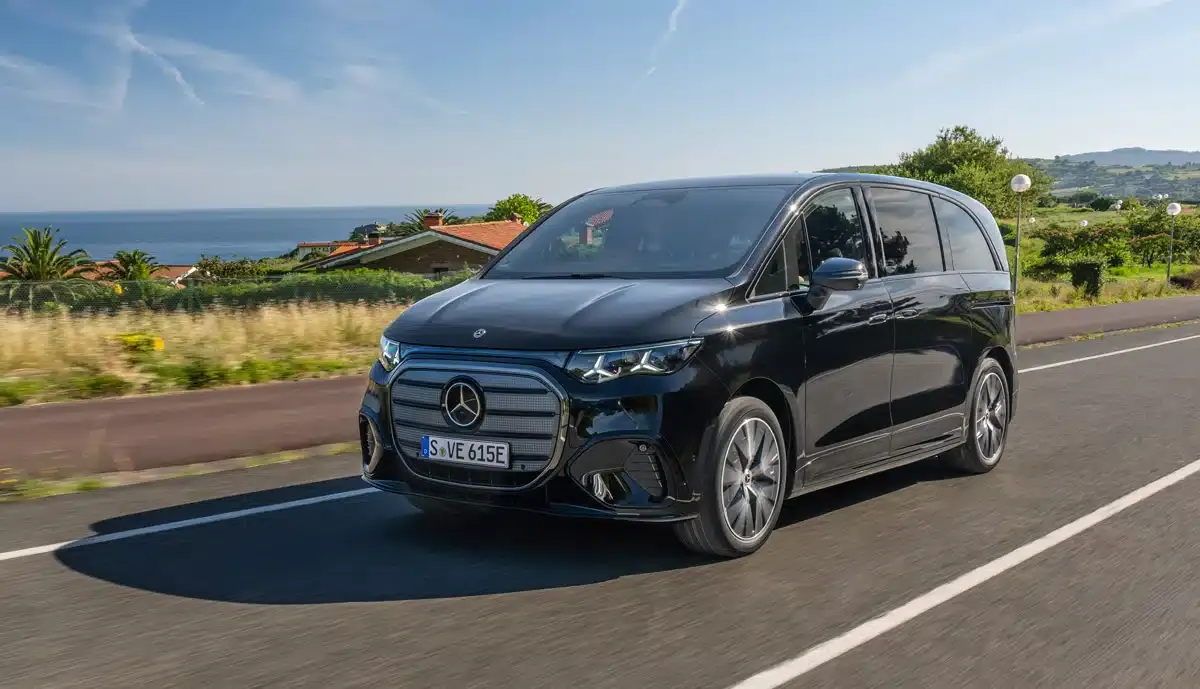
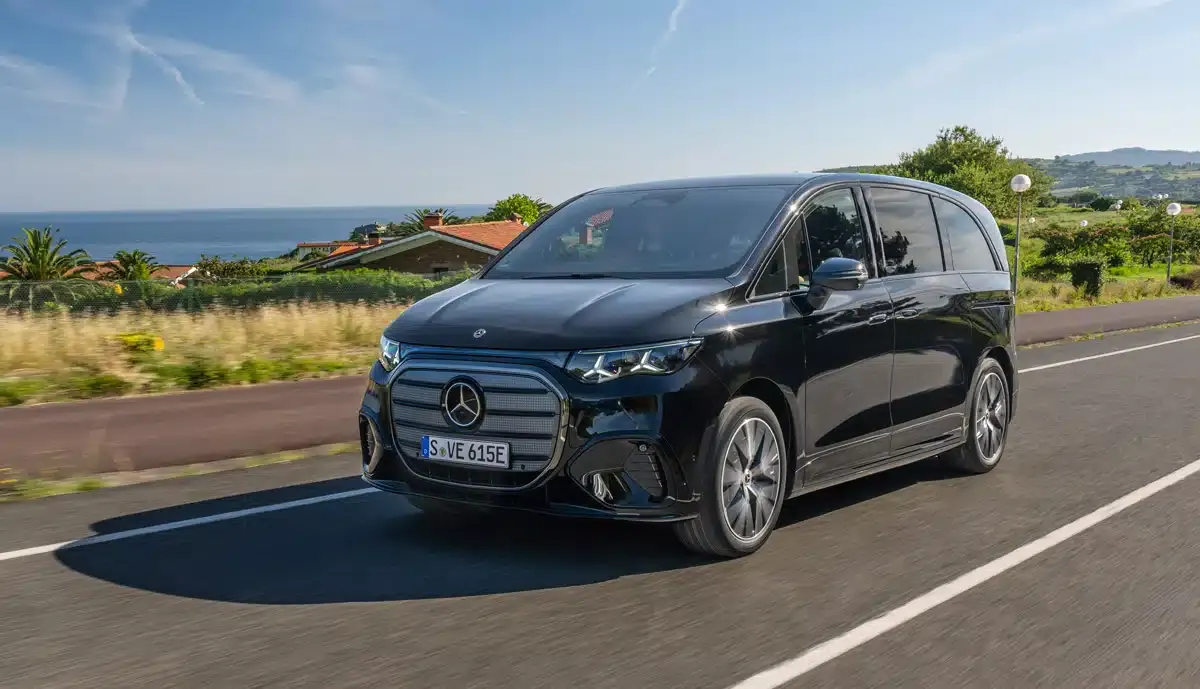
Image: Mercedes-Benz
Thomas Klein, head of Mercedes’ commercial vehicle division, explains in an interview with Die Welt the company’s strategies for promoting electrification in the commercial sector. He emphasizes that electric vehicles are now almost as affordable as gasoline-powered ones and can be attractive due to lower maintenance costs and potential savings on electricity prices.
To attract trade customers to electric mobility, Mercedes relies on customized solutions. Depending on daily driving mileage, different battery sizes are offered, along with consulting services and the provision of charging infrastructure on business premises. Klein admits that a previous strategy of imposing higher prices on electric vehicles did not work due to market realities. Instead, cost-effective offers and excellent service are intended to ensure competitiveness.
A new segment is set to launch with the electric luxury shuttle VLE, which Mercedes claims combines the comfort of a limousine with the versatility of an SUV. With this model, the brand plans to enter markets such as the US and South Korea. Despite focusing on electric drives, the company remains committed to internal combustion engines according to Klein, as the transition progresses at different speeds depending on the region.
Regarding competition from Chinese manufacturers like BYD, the manager remains confident but notes their rapid adaptability. He emphasizes the advantage of European integration into the custom vehicle manufacturing sector, which modifies cars for specific purposes such as ambulances or campers. Experience and local customer knowledge are crucial for this process.
A barrier to electric mobility in the trade sector is the increasing bureaucracy due to higher vehicle weights. Larger batteries can cause trucks to exceed the 3.5-ton limit, requiring the use of tachographs and driving time monitors.
Regarding charging infrastructure, Klein said significant progress has been made, but the goal has not yet been reached. “There are now enough charging stations along highways, so range anxiety is no longer an issue,” said the Mercedes commercial vehicle chief. “But for most business customers, the question remains of where they can charge their vehicles overnight.” Additionally, the networks are often not designed to handle multiple high-power vehicle charges simultaneously.
Also interesting
About the author
Thomas Langenbucher is an expert in electromobility with professional experience in the automotive industry and finance sector. Since 2011, he has been covering electric vehicles, sustainable technologies, and mobility solutions for ecomento.de. Learn more.
Reader interactions