
Mercedes-Benz aims for 1,000 km of range in its electric cars, and ProLogium has just taken a key step forward with its 381 Wh/kg battery.
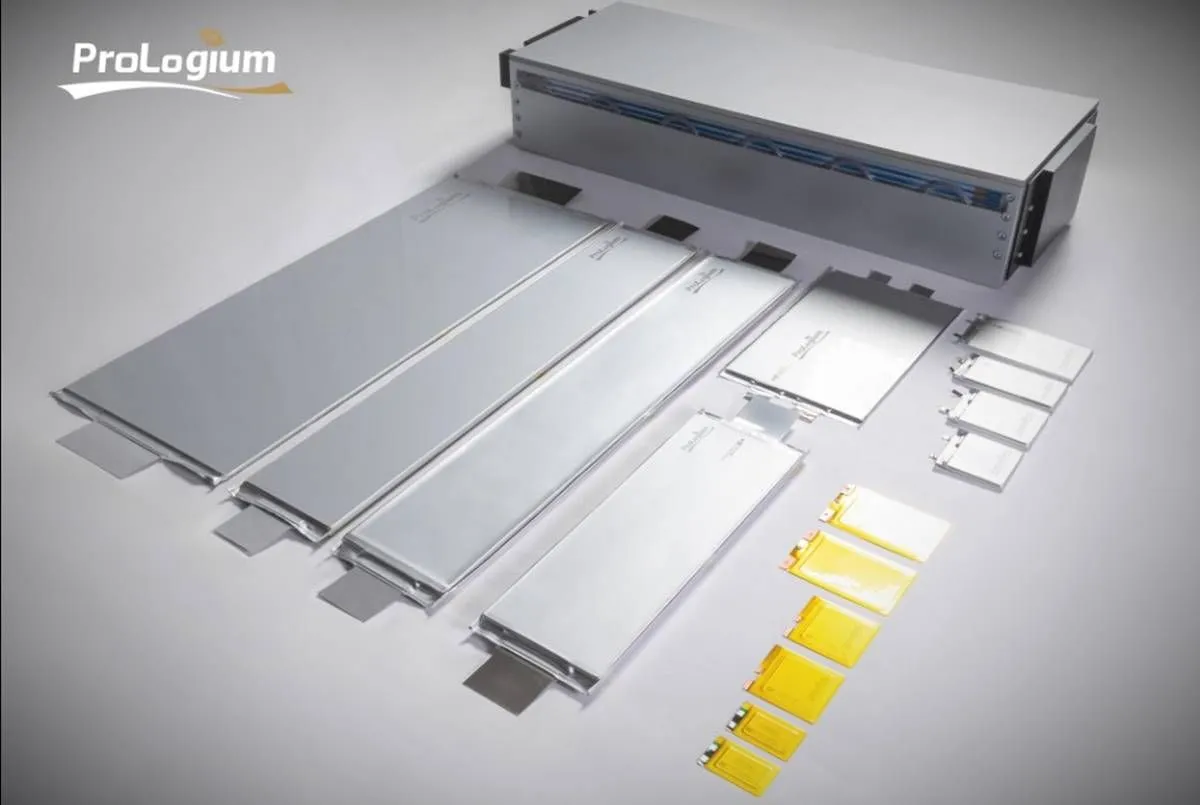
The effort to introduce solid-electrolyte batteries into electric vehicles is making progress step by step, and it has now reached an important milestone. ProLogium announced that its new Gen 3.5 battery has entered mass production in Taiwan, with an energy density of 381 Wh/kg and 903 Wh/l.
This news is particularly significant because it involves a battery cell that isn’t just presented in a laboratory or as a technical demonstration. ProLogium claims its large-format cell, with a capacity of 185.4 Ah, is already being manufactured at its facility in Taoyuan, Taiwan. The energy density figures have been verified by TÜV, while UL Solutions has tested the cell according to China’s new standard GB/T 43568-2026 to determine whether it can be considered a fully solid-state battery.
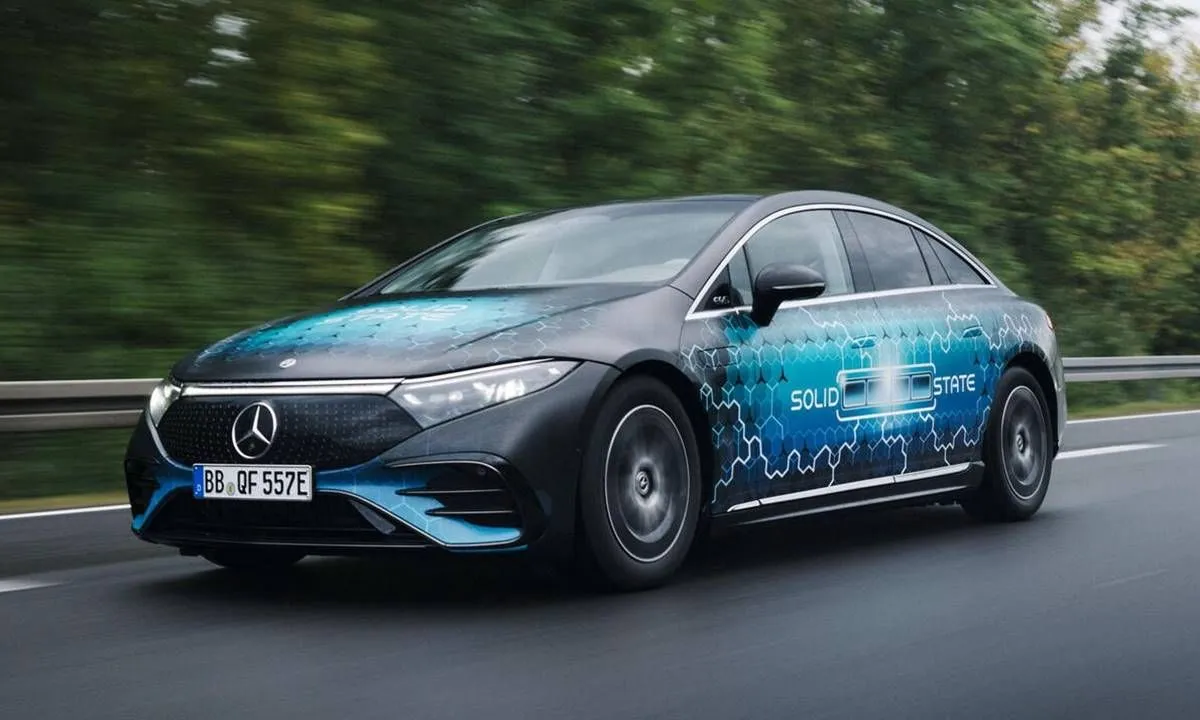
The Taiwanese company also has a direct connection to the automotive industry. Mercedes-Benz has maintained a technological cooperation agreement with ProLogium since 2022, as part of a project aimed at developing next-generation battery cells and preparing their potential use in passenger vehicles during the second half of this decade. Mercedes-Benz also became a shareholder and member of ProLogium’s board of directors at that time.
The figure of 381 Wh/kg is particularly noteworthy because it is clearly above the typical level of conventional cells currently used in electric cars. However, it should be put in context. This is the energy density at the cell level, not that of a complete battery pack installed in a car. Between the cells and the vehicle there are structures, cooling systems, electrical connections, battery protection and management systems, so the final efficiency will necessarily be lower.
This nuance is important because it is precisely where many promises about solid-state batteries end up losing some of their appeal. An exceptionally dense cell does not by itself guarantee a car with a 30% lighter battery, nor does it automatically mean significantly greater range. The final outcome will depend on how much of this advantage ProLogium can retain as it moves from the cell to the battery pack.
A solid-state battery that is already in production, but with a still-small factory
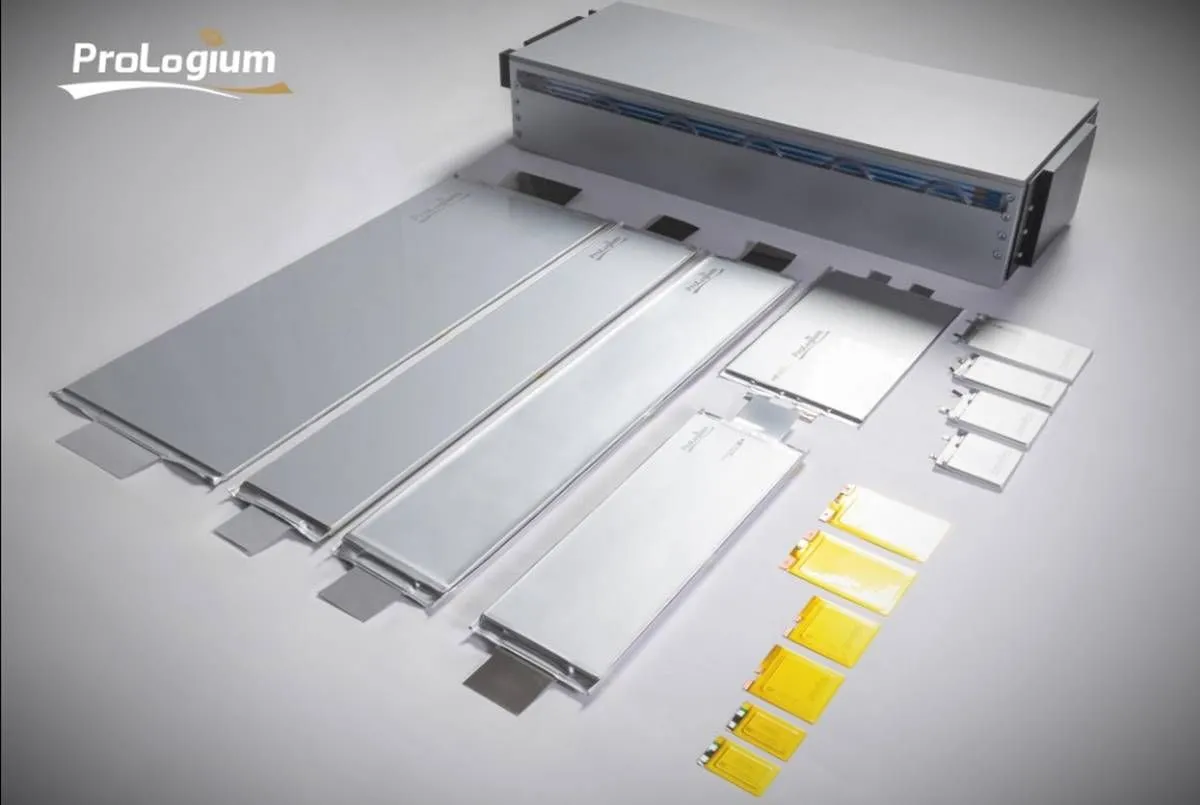
ProLogium uses its Logithium architecture in this generation, which is based on a ceramic separator and a peripheral structure that helps improve the insulation and sealing of the cell. The company has been developing this architecture for years and claims to have progressed through four generations of battery technology and three generations of manufacturing processes.
Another figure worth noting is the volumetric density, at 903 Wh/l. It may be less striking to the general public compared to 381 Wh/kg, but it can be even more interesting for manufacturers. Space inside a car is limited, and a battery that stores more energy in less volume allows for more space in the cabin, reduces the size of the battery pack, or increases capacity without proportionally enlarging the battery itself.
In addition, ProLogium claims that the new Gen 3.5 not only offers high energy density but also the capability for high-power applications and fast charging. However, in this case, complete data on the performance of a pack intended for an electric vehicle are still lacking, especially under real-world usage conditions, charge and discharge cycles, and varying temperatures.
The classification as a fully solid-state battery is also backed by concrete testing. UL Solutions exposed the cell to vacuum at 120 degrees for six hours, after which ProLogium recorded a mass loss of less than 0.05%. The threshold set by standard GB/T 43568-2026 is 0.5%, so the company asserts that the cell meets the criteria to be considered solid-state according to this methodology.
This is significant because in recent years the term “solid state” has been used to describe technologies that are quite different from one another. Some of these still retain certain liquid components and fall in an intermediate category between conventional batteries and fully solid-state batteries. The new Chinese standard aims precisely to establish a more measurable boundary between these different technologies.
ProLogium also states that the Chinese standard has been submitted to the International Electrotechnical Commission as a reference for future international standardization. If its adoption as a broader reference is confirmed, it could help prevent manufacturers from using different definitions of what constitutes a solid-state battery.
The Taiwanese company can also boast of some industrial experience. Since 2013, it has supplied over 2.4 million cells from its lithium ceramic battery platform for consumer, specialized, and automotive applications. ProLogium also claims to have provided more than 12,000 samples for testing and module development to automobile manufacturers. This doesn’t mean it has manufactured 2.4 million cells for electric vehicle batteries, but it does show that the technology has been in use outside the laboratory for some time.
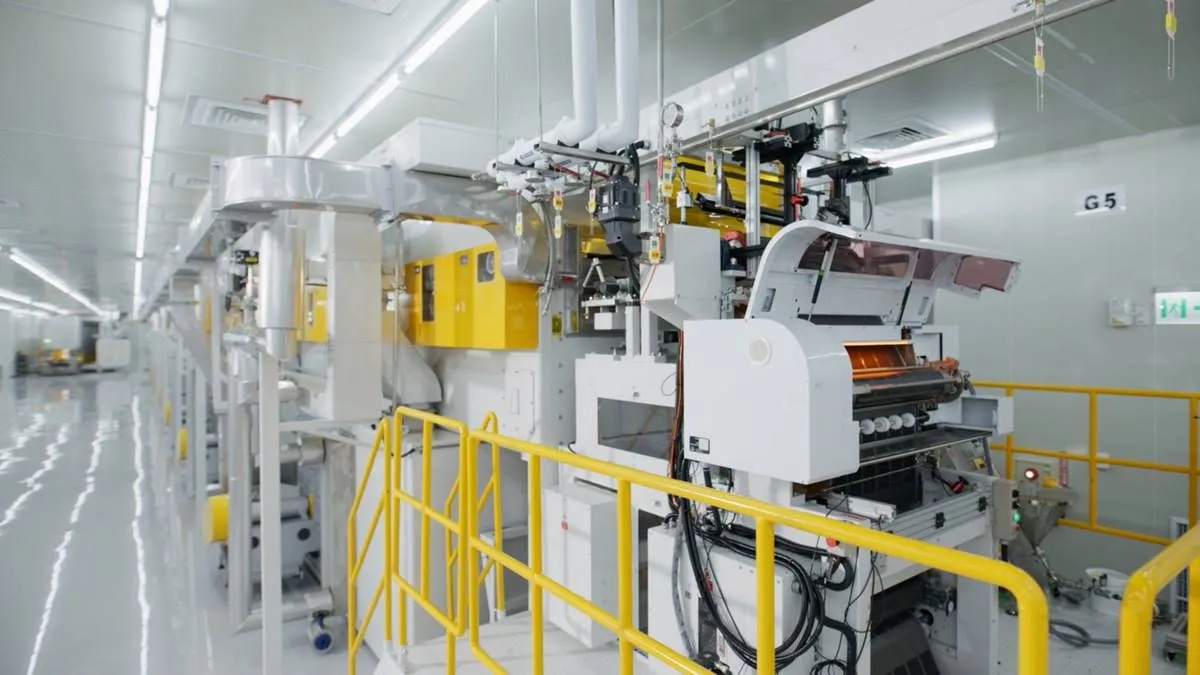
And here lies the main problem. The Taoyuan factory producing Gen 3.5 currently has a capacity of 0.5 GWh, with plans to expand it later to between 1 and 2 GWh. In theory, 0.5 GWh would allow for the production of around 6,250 80 kWh batteries per year. This is enough to show that industrial production exists, but it is far from the dozens of gigawatt-hours needed to supply batteries for a large-scale electric vehicle program.
That’s why the next step will be far more important than announcing 381 Wh/kg. ProLogium will need to prove it can manufacture these cells in large quantities while maintaining the same quality, consistent performance, and competitive cost. Energy density is no longer the only issue: the real industrial battle has just begun.
Cost will be one of the major questions. China’s battery market is extremely competitive, and conventional LFP cells have recently seen prices drop significantly. Some estimates put their cost at around 300-400 yuan per kWh at the cell level. ProLogium has not released an equivalent cost for its Gen 3.5, so it’s still unclear how much more expensive this technology is.
The company is trying to address exactly this problem with its manufacturing strategy. Its ceramic technology doesn’t just focus on changing the materials in the cell; it also aims to maintain an industrial architecture that can evolve across generations without requiring a complete rebuild of production lines. This ability to utilize existing facilities and processes will be crucial if solid-state batteries want to compete with conventional batteries on price someday.
The big test is coming to Europe. ProLogium is building its first large-scale factory outside Taiwan in Dunkerque, France. The first phase is expected to have an annual capacity of 4 GWh, with the facility designed to reach up to 44 GWh through future expansions. Construction officially began in February 2026, and the company plans to gradually increase production over the coming years.
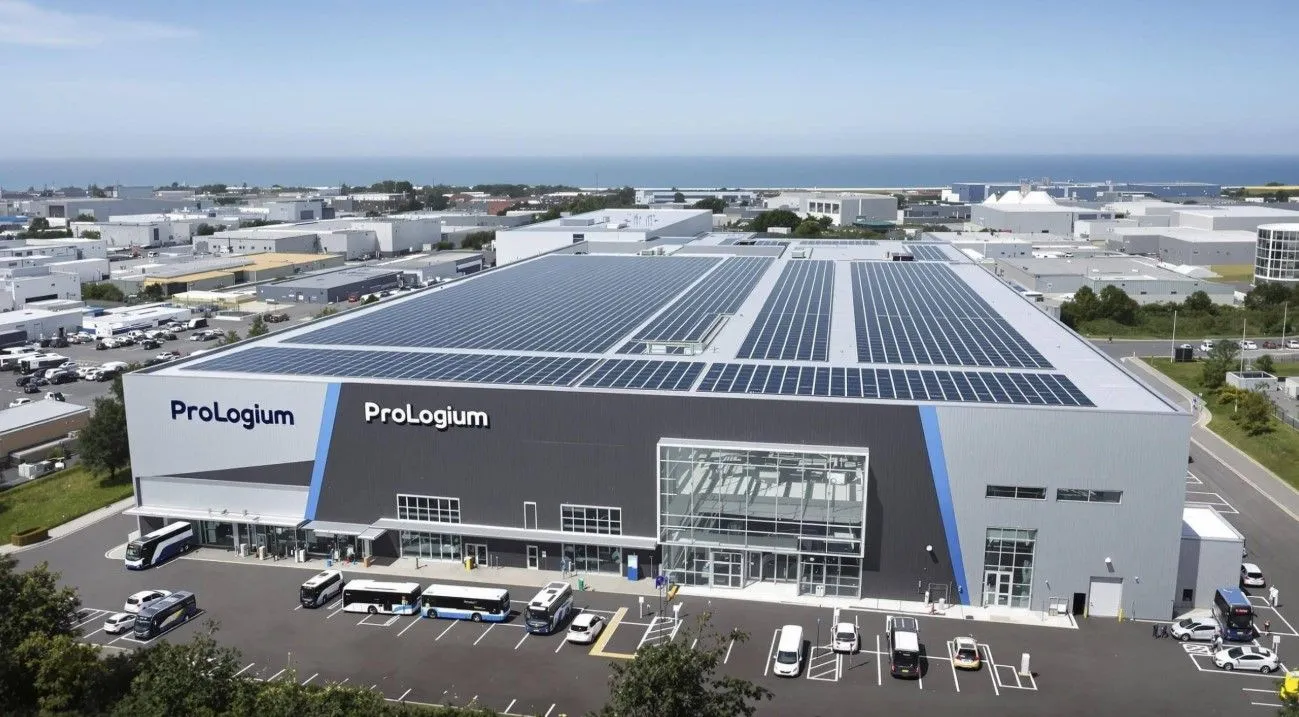
The scale difference is enormous. The 4 GWh of the first French phase would eightfold the current operating capacity of 0.5 GWh in Taoyuan. And if the planned 44 GWh for the complex is ultimately achieved, we would be talking about a capacity capable of powering hundreds of thousands of electric cars, depending on the size of their batteries.
The French project also holds strategic importance for Mercedes-Benz and other European manufacturers that have been seeking next-generation battery technology for years. ProLogium is not starting from scratch in France: the company has had a research and development center in Paris-Saclay since 2024, and the Dunkerque project aims to become its main industrial platform in Europe.
For now, therefore, this news deserves attention, but it shouldn’t yet be considered the ultimate revolution in electric cars. ProLogium has managed to bring a battery with 381 Wh/kg to production, which is far from common in this industry. What it still hasn’t demonstrated is its ability to turn that impressive laboratory and cell figure into a lightweight, durable, safe, and above all, affordable battery pack.
And that last aspect is likely to be the most challenging. Manufacturing high-performance solid-state batteries is one thing; producing hundreds of thousands of them annually and ensuring a manufacturer can install them in a car with competitive pricing is something entirely different. The Gen 3.5 has just crossed an important milestone, but the real challenge begins now.
Key points
ProLogium Gen 3.5: solid-electrolyte battery in production.
Energy density: 381 Wh/kg and 903 Wh/l at the cell level.
Cell capacity: 185.4 Ah.
Validation: TÜV has tested the energy density, and UL Solutions conducted tests for classification as a fully solid battery.
Current production: 0.5 GWh in Taoyuan, with plans to expand to 1-2 GWh.
Accumulated production: over 2.4 million LCB platform cells since 2013.
Mercedes-Benz: maintains a technology partnership with ProLogium since 2022.
Dunkerque: first European factory, with 4 GWh in its first phase and a designed capacity of up to 44 GWh.
Main challenge: transferring the cell’s energy density to the battery pack while maintaining competitive costs.
Source | ProLogium