
Mercedes-AMG GT SUV unveiled with 1,169 horsepower
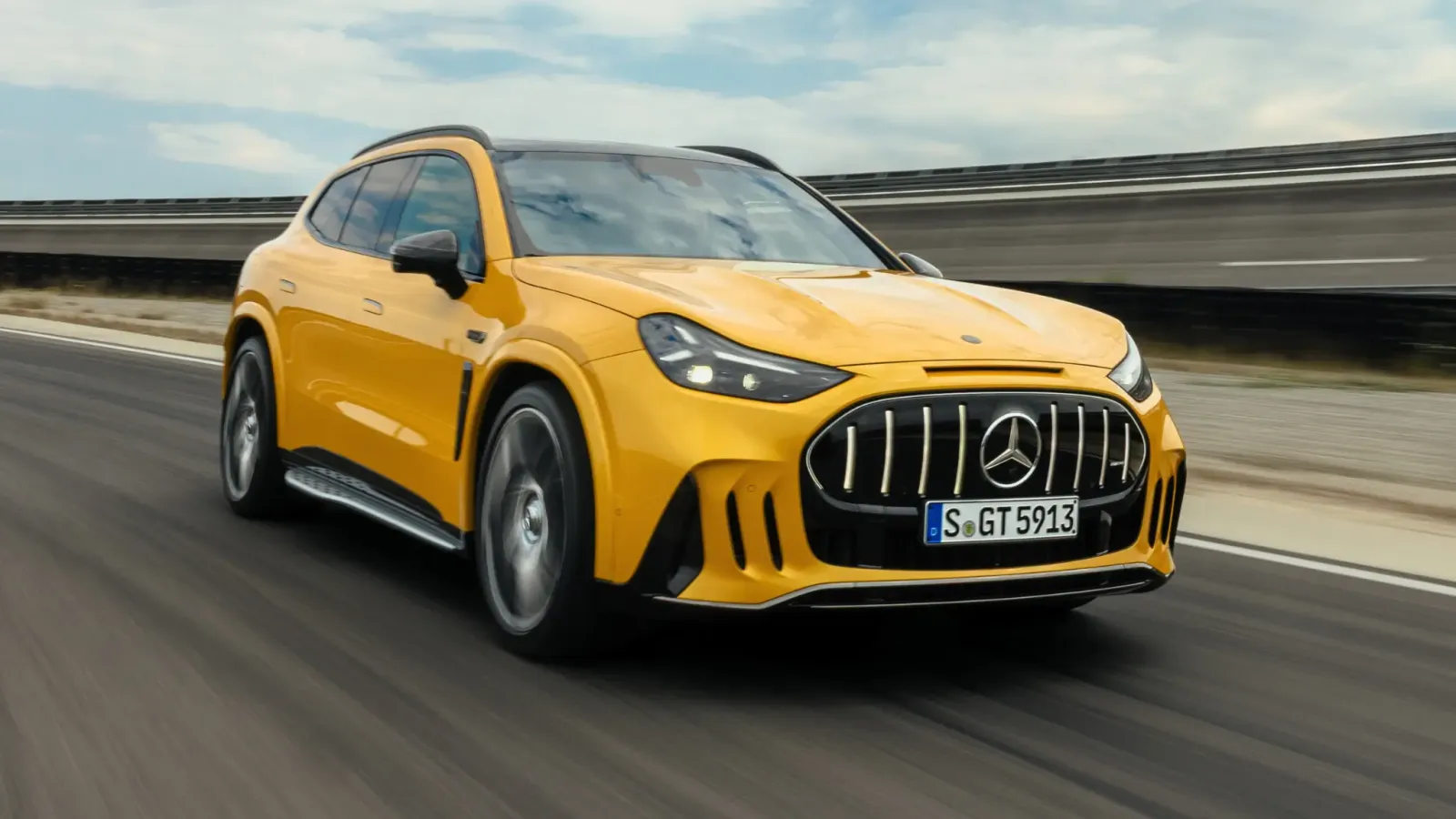
The AMG GT SUV is the first SUV developed from scratch by Mercedes-AMG, boasting 1169 horsepower in its most powerful version and featuring a battery with technology derived from Formula 1.
Mercedes-AMG has just unveiled the new GT SUV, a model that marks a milestone in the history of Mercedes-Benz’s sports division. For the first time in 59 years, the Affalterbach brand has developed a SUV from the ground up.
And it’s not just any SUV. It is a 100% electric “monster” with supercar-level performance, built on the AMG.EA platform, which also serves as the basis for the recently introduced Mercedes-AMG GT 4 Door.
The goal is to combine the versatility of a family SUV with the performance and dynamic handling of a sports car. To achieve this, AMG utilized three electric motors, a battery with technology inspired by Formula 1, and a completely new suspension system.
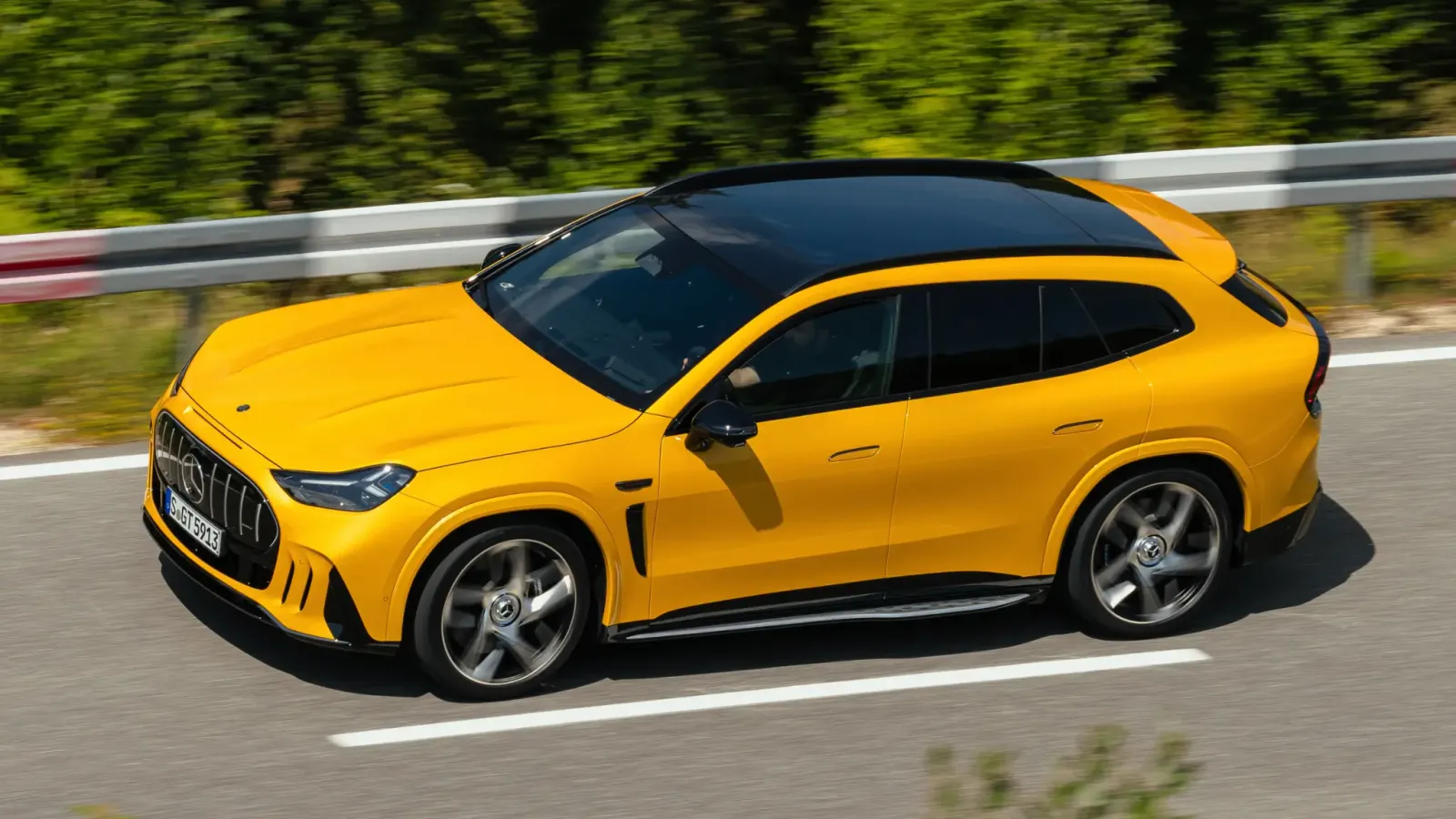
The numbers illustrate the ambition behind this project. The most powerful version boasts 1169 horsepower, 2000 Nm of torque, and a 0-to-100 km/h acceleration time of just 2.7 seconds. This is in a SUV that is over 5 meters long and weighs more than 2500 kg.
Three versions and up to 1169 horsepower
The new Mercedes-AMG GT SUV range is divided into three versions: GT 53, GT 55, and GT 63. All are 100% electric and all come equipped with AMG Performance 4MATIC+ all-wheel drive, but there are significant differences among them.
The GT 53 is the entry-level version and uses two synchronous electric motors, one on each axle, which deliver a combined power of 400 kW (544 hp) and 800 Nm of torque. These figures enable it to accelerate from 0 to 100 km/h in 4.2 seconds and reach 250 km/h when equipped with the optional Driver’s Package.
Above that is the GT 55, which boosts power to 600 kW (816 hp) and torque to 1860 Nm. In this case, acceleration from 0 to 100 km/h occurs in 3.1 seconds.
At the top of the lineup is the Mercedes-AMG GT 63 SUV, which boasts 860 kW (1169 hp) and 2000 Nm of torque, enough to accelerate from 0 to 100 km/h in 2.7 seconds and from 0 to 200 km/h in just 7.2 seconds. The top speed is limited to 270 km/h, with the Driver’s Package available as an option.
But there’s more, as Mercedes-AMG also announced acceleration figures using the one-foot rollout measurement method, which excludes the first 30.48 centimeters of movement. In this case, the AMG GT 63 SUV completes the 0 to 100 km/h sprint in just 2.5 seconds.
Technology inspired by Formula 1
Unlike the AMG GT 53, which uses two conventional permanent magnet electric motors, the GT 55 and GT 63 versions rely on three axial flux motors. This technology enables high power density from very compact motors. Two are installed in the rear axle, and the third is located in the front axle.
The front motor primarily functions to enhance power and traction, and can be disconnected when not needed. In this way, AMG aims to reduce mechanical losses and improve the efficiency of the entire system.
In the rear axle, the presence of two independent engines allows torque to be distributed among the wheels in the most suitable manner for each situation, enhancing traction and enabling adjustments to handling in every turn.
But returning to maximum power, the figure announced by Mercedes-AMG tells only part of the story. While 860 kW (1169 hp) is impressive, it might make more sense to look at another particularly relevant figure: the new GT 63 can maintain a continuous power output of 530 kW (721 hp).
This is crucial for the battery developed entirely by AMG. Inspired by the thermal management solutions used in Formula 1, it features cylindrical cells directly cooled by a dielectric fluid. Instead of relying solely on cooling plates, the system circulates the fluid around the cells.
Discover your next car:
The goal is to maintain temperature control during extended periods of intense use, allowing the AMG GT SUV to sustain high performance for longer, even when driven on a racetrack.
Up to 700 km of range and charging at 710 kW
Another major highlight of the new Mercedes-AMG GT SUV is its charging capability. The 800 V electrical architecture enables the use of two batteries, with usable capacities of 106 kWh and 128 kWh, depending on the version.
The 106 kWh battery supports fast charging at up to 600 kW in direct current, similar to the AMG GT 4 Portes. The larger 128 kWh battery raises this figure to an impressive 710 kW, although this value has not yet been officially certified.
According to Mercedes-AMG, with the larger battery, it’s possible to regain up to 450 km of WLTP range in just ten minutes. Under ideal conditions, charging from 10% to 80% takes approximately 12 minutes, while the smaller battery requires 11 minutes.
Regarding range, the GT 55 and GT 63 models claim up to 700 km in WLTP testing when equipped with the larger capacity battery. Interestingly, the GT 53, despite using only a 106 kWh battery, can achieve up to 668 km of WLTP range thanks to the higher efficiency of its powertrain.
Over 5 meters in length
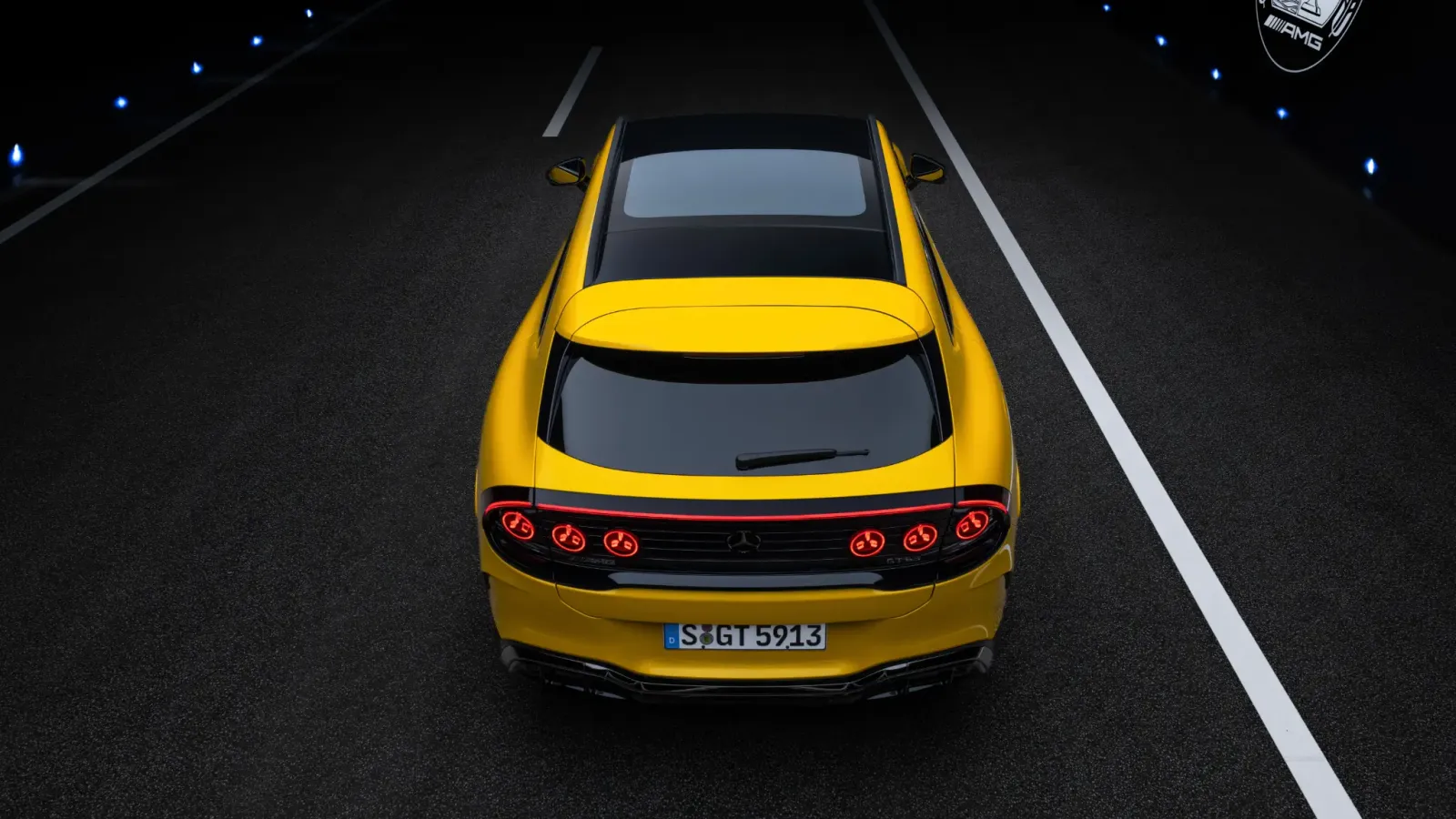
The new Mercedes-AMG GT SUV measures 5.08 meters in length, approximately two meters in width, and has a wheelbase of 3.04 meters.
3 images
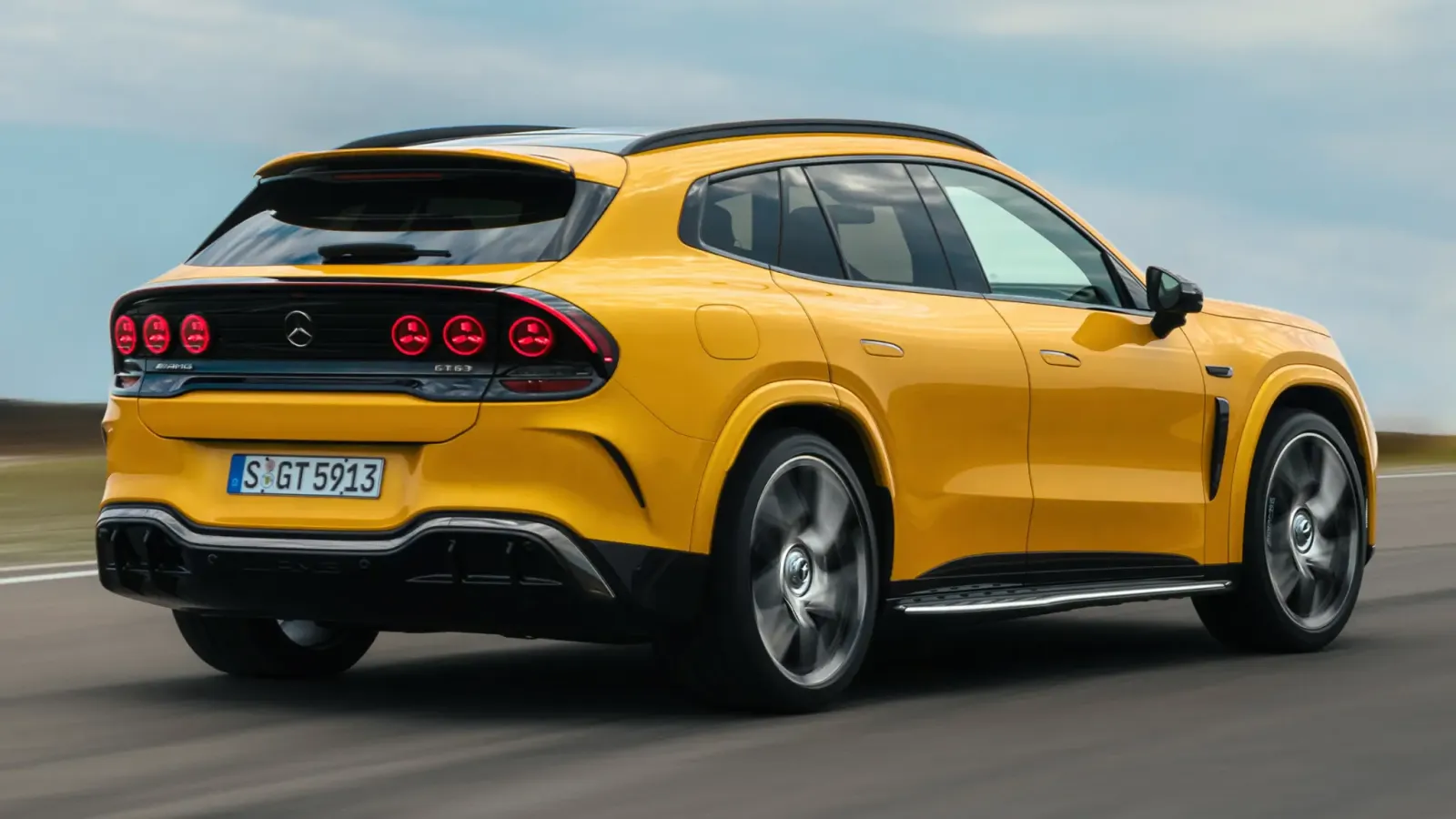
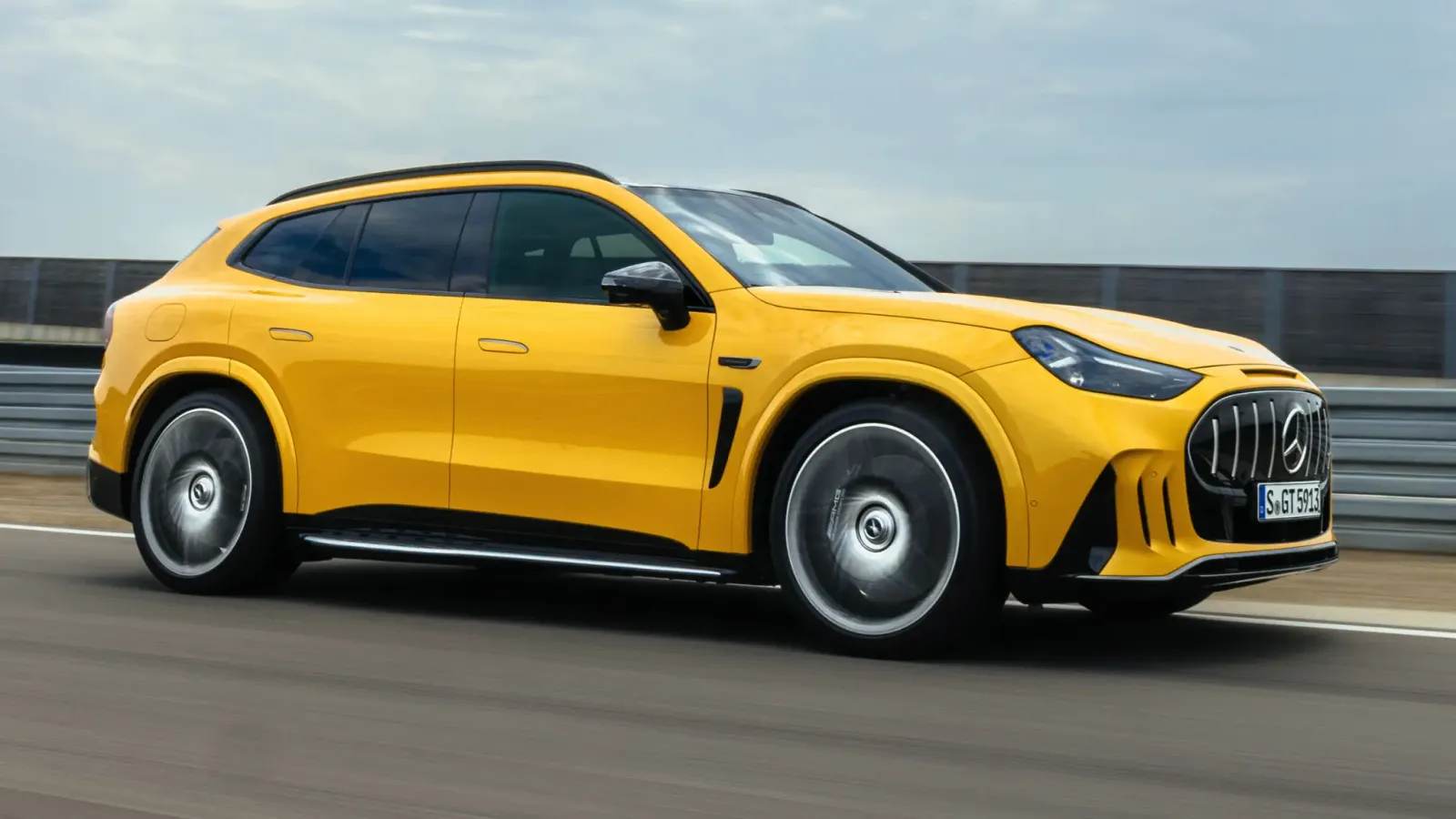
These are impressive dimensions, although AMG managed to create a relatively low and sporty silhouette with an inclined roof line, wide fenders, and a driving position closer to that of a GT than a traditional SUV.
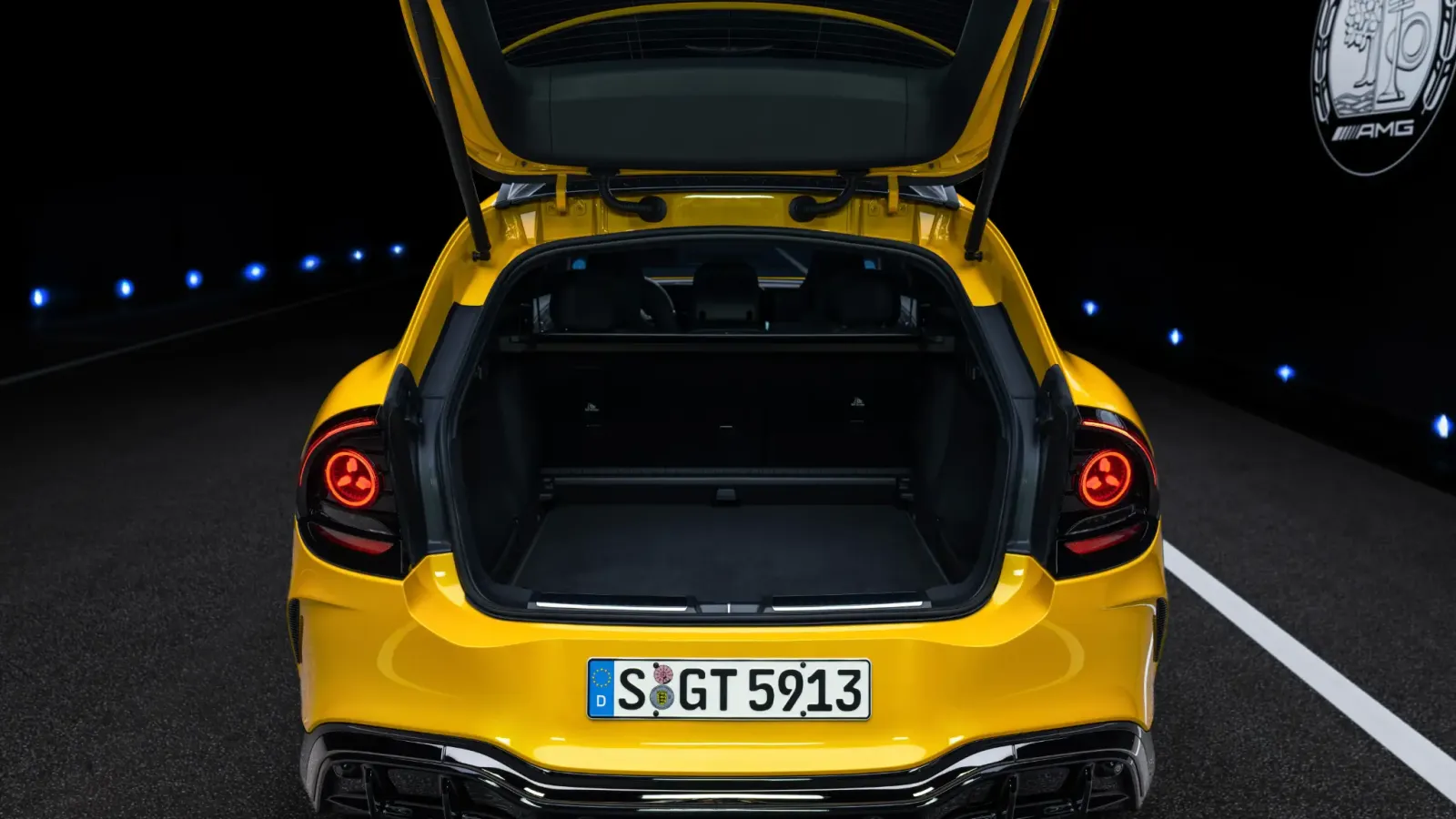
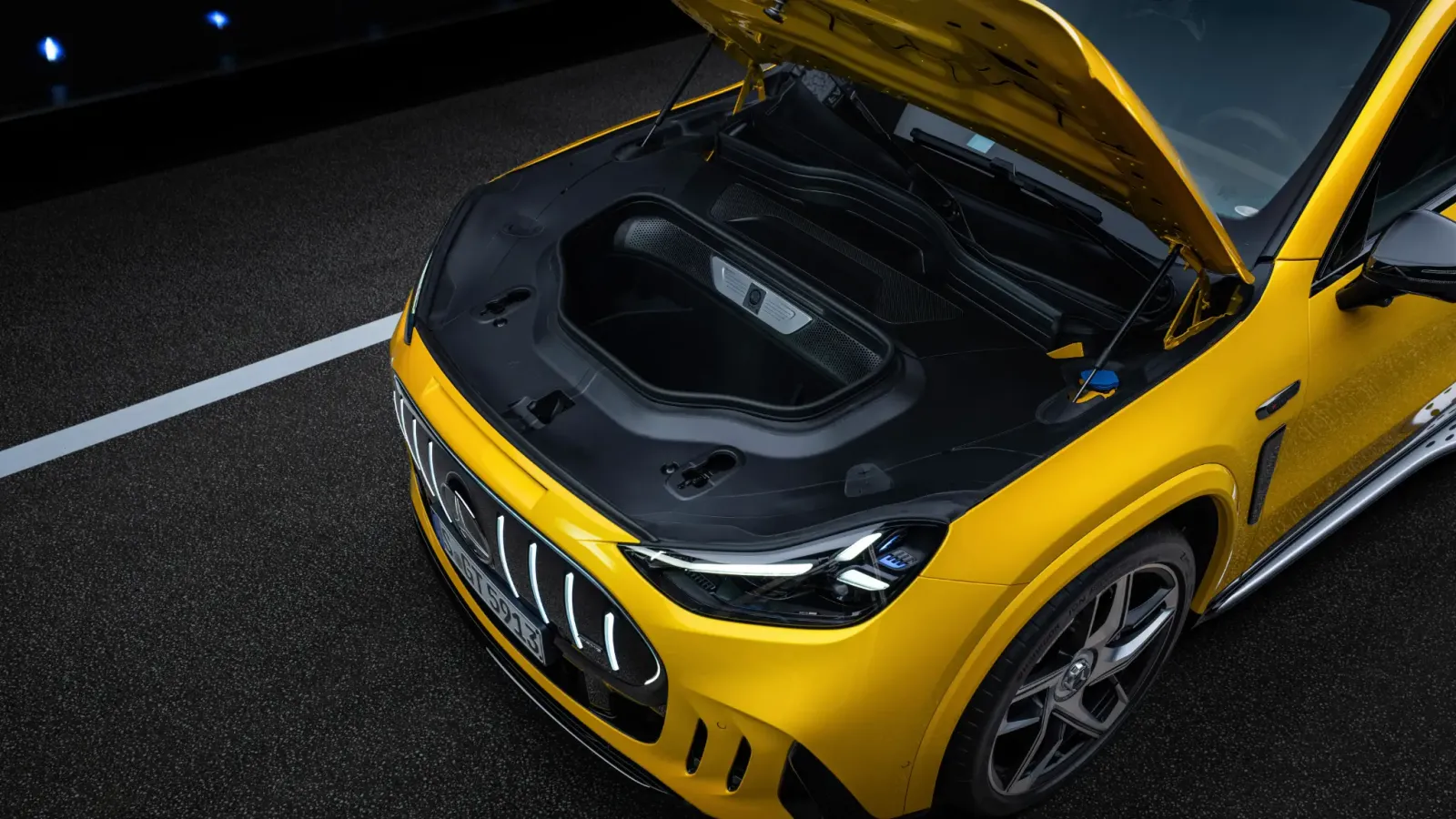
Nevertheless, the trunk offers 607 liters of capacity, which can increase to 1740 liters with the rear seats folded down. There is also a front compartment with 78 liters of capacity according to VDA standards. Thus, despite having a more slender profile than what is typically found in SUVs, its versatility remains intact.
Of course, all this athletic size needs to be controlled, especially in a model with significant dynamic demands. It is an SUV born in Affalterbach, and for Mercedes-AMG, this is non-negotiable.
For this reason, AMG engineers focused much of their work on developing the AMG ACTIVE RIDE CONTROL+ suspension system, which is standard on the GT 63 and optional on the GT 55. The system combines pneumatic suspension with active hydraulic elements that control the longitudinal and lateral movements of the chassis.
In practice, it aims to reduce cornering inclination, front-end squat during braking, and front-end lift during acceleration. All of this without relying on traditional stabilizer bars.
Active rear axle steering is also standard and allows the rear wheels to turn up to six degrees in the opposite direction to the front wheels at speeds below 80 km/h, facilitating maneuverability. Above this speed, they turn in the same direction as the front wheels to enhance stability.
Braking performance keeps up with the rest of the specs: the GT 63 comes standard with carbon ceramic discs on both axles, while they are optional on the GT 55.
An electric car that mimics a V8
Mercedes-AMG understands that an important part of the identity of its vehicles has always been tied to the sound and sensations of combustion engines. Therefore, it decided to bring back some of these characteristics in the new GT SUV, albeit in an artificial or simulated form.
In AMGFORCE Sport+ driving mode, the AMG GT SUV can reproduce the sound of a V8 engine in the GT 55 and GT 63 versions, while the GT 53 uses a sound signature inspired by six-cylinder engines.
According to Mercedes-AMG, more than 100 measurements were taken using 16 microphones in actual vehicles, including the V8 engine of the Mercedes-AMG GT R, which we have had the opportunity to test here at Razão Automóvel. You can watch (or rewatch) that video:
But the experience doesn’t end here. The system also simulates cash handling, allows for virtual adjustments via levers behind the steering wheel, and uses vibrating elements in the seats to enhance sensations.
In the GT 55 and GT 63 versions, there’s also the AMG RACE ENGINEER system, featuring three rotary controls on the center console that enable individual adjustment of the accelerator response, cornering behavior, and traction control intervention, with nine levels of regulation. All of this is designed to maximize the driving experience behind the wheel of this SUV.
Interior tailored for drivers
Inside, the new GT SUV adopts the design language of Mercedes-Benz’s latest models, but with a distinctly sporty focus, much similar to what we’ve seen in the AMG GT 4 Door.
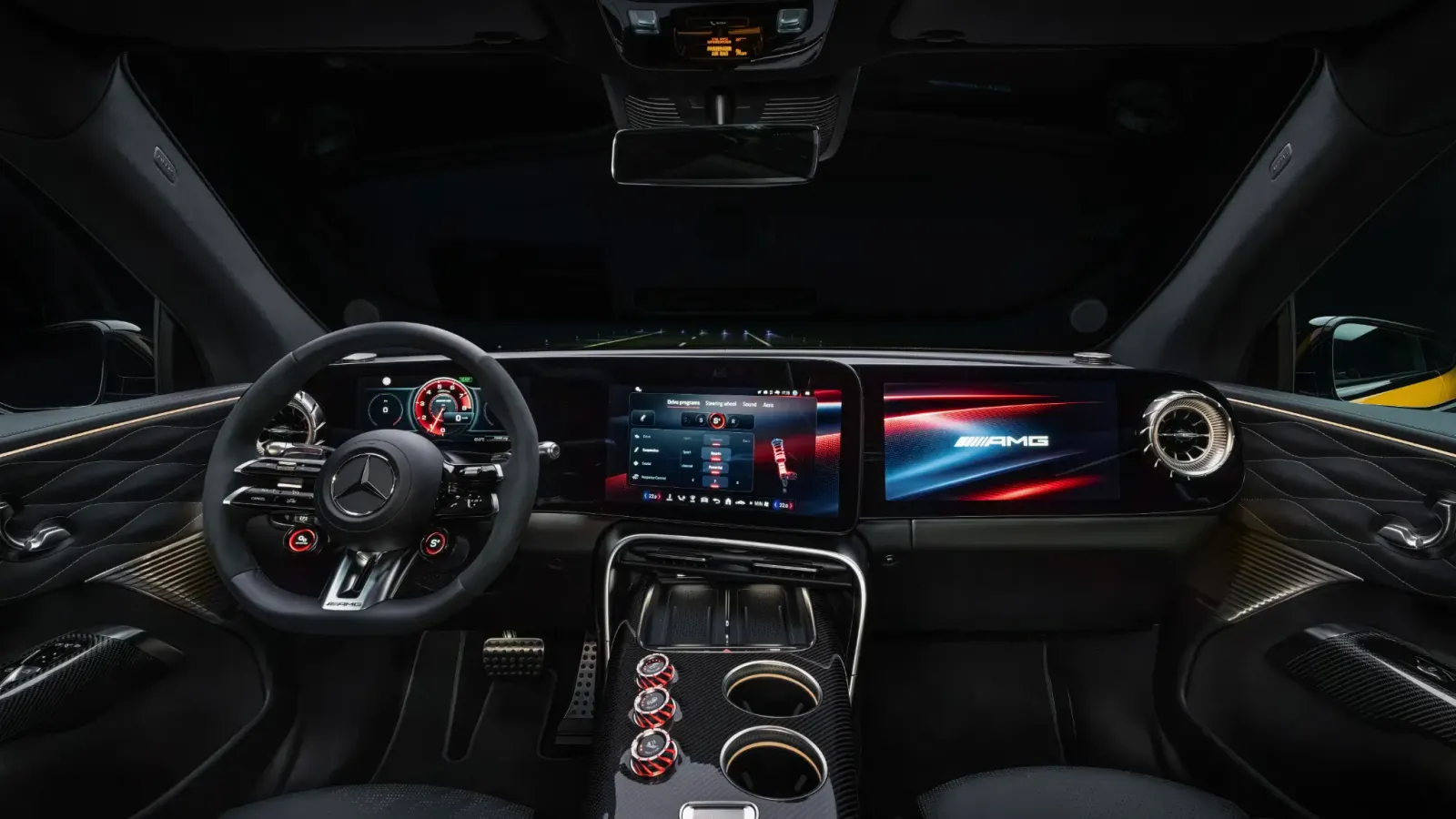
Behind the steering wheel is a 10.2″ digital instrument panel, and in the center, slightly angled toward the driver, is a 14″ screen that handles almost all functions that can be controlled in the vehicle. There is also the option to install a third 14″ screen dedicated to the front passenger.
The multimedia system uses the new generation MBUX, based on the MB.OS operating system, and integrates artificial intelligence features including ChatGPT, Microsoft Bing, and Google Gemini.
3 images
There are also apps dedicated to sports driving, including AMG TRACK PACE, which can record telemetry data, lap times, accelerations, and braking points on circuits.
When will it arrive?
The new Mercedes-AMG GT SUV will be produced at the Mercedes-Benz factory in Sindelfingen, Germany, on a production line adapted to the requirements of the AMG.EA electric architecture.
The GT 53 version will be the first to hit the market, with orders opening on October 20. The GT 55 and GT 63 models will follow later, in spring 2027.
As of now, Mercedes-AMG has not announced prices for Portugal, but it has confirmed that the GT 53 will be available in Germany starting at 113,050 euros.