
More zero-emission trucks and buses in the EU in the first half of 2026
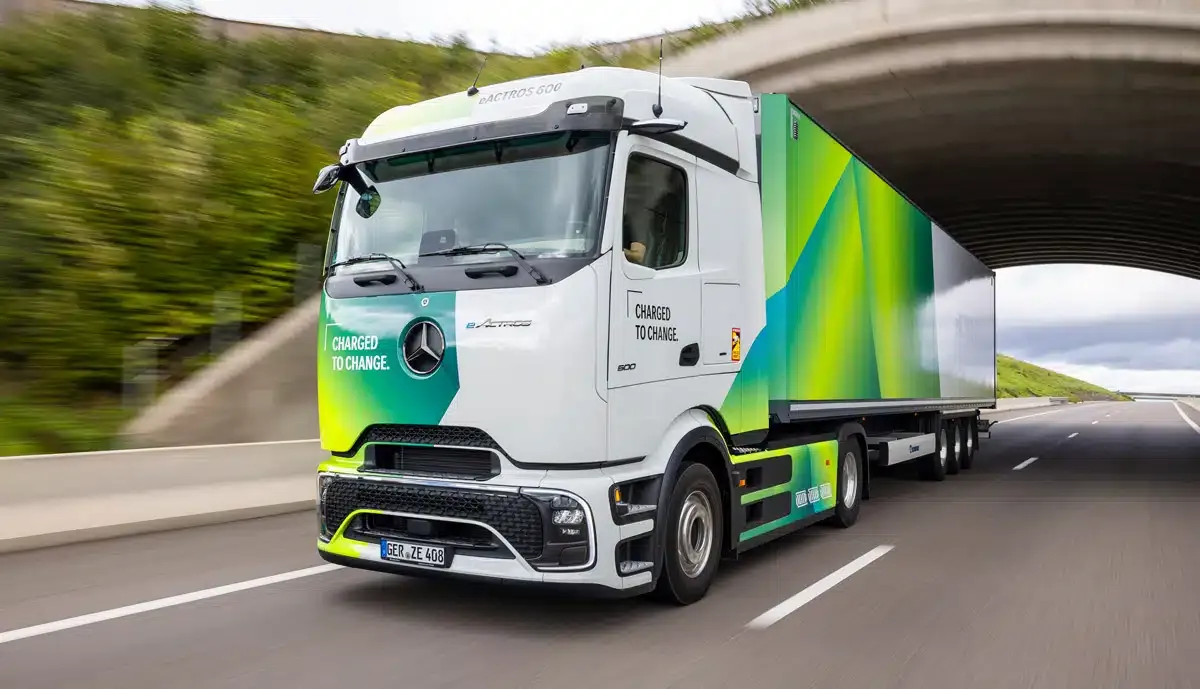
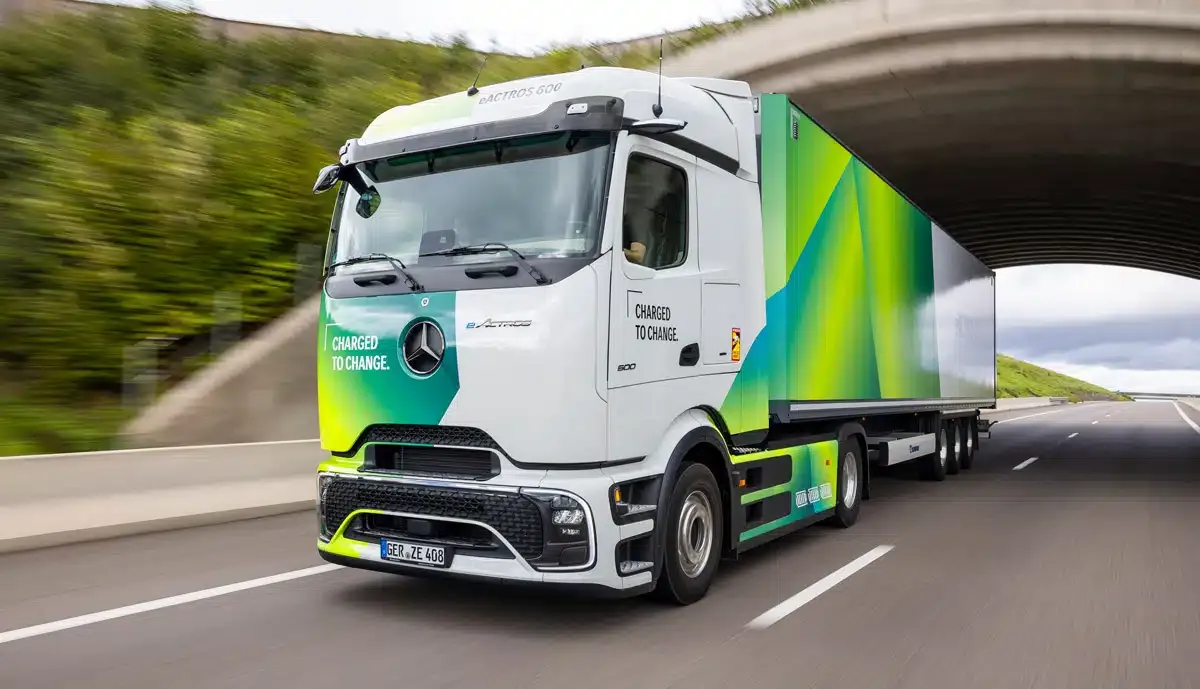
Image: Daimler Truck
According to the research organization ICCT, approximately 14,300 new zero-emission heavy commercial vehicles were registered in the European Union during the first half of 2026. The share of zero-emission trucks over 3.5 tons increased from 3.8% to 4.8% compared to the same period last year. For buses and coaches, the proportion of zero-emission vehicles rose from 22.7% to 28.3%.
The European market as a whole had around 192,000 heavy commercial vehicles in the first half of the year, representing an 8 percent increase compared to 2025. Of the 146,000 heavy trucks sold that weighed over 12 tons, approximately 3,400 were zero-emission. Their market share rose to 2.3 percent from 1.4 percent in the previous year’s period. In Germany, the share was 4.6 percent in the second quarter.
Mercedes produced 40 percent of the zero-emission heavy trucks, thus maintaining its leadership in this segment. Iveco increased its sales of electric heavy trucks to nearly 100 units in the second quarter, after quarterly figures had previously not exceeded single-digit numbers.
A total of 22,000 vehicles were sold in the category of medium-duty trucks and vans weighing between 3.5 and 12 tons. Of these, 4,600 were emission-free, accounting for about 21 percent; sales increased by 15 percent compared to the previous year. Electric vehicles made up 63 percent of sales in the heavy-duty van segment, with Mercedes accounting for 40 percent of the emission-free sales in this category and Ford ranking second in terms of volume. In Germany, the share of medium-duty trucks and vans rose from 23.0 percent to 29.8 percent, while in France it increased from 14.6 percent to 25.6 percent.
Of the 22,600 buses and coaches sold in the EU, 6,400 were zero-emission, raising their share from 23% to 29%. For city buses, the proportion of zero-emission vehicles exceeded 60% in the second quarter, while diesel buses accounted for 30%.
As of July 2026, Europe had an average of 345.7 publicly or semi-publicly accessible charging points with a capacity of about 150 kilowatts per 1,000 heavy battery-electric trucks, according to the analysis. In total, around 4,300 charging points for heavy trucks were in operation, about 20% more than in July 2025. Germany led with 1,090 points, followed by Sweden with 822 and the Netherlands with 818. Between July 2025 and July 2026, Germany added 229 charging points, representing a 27% increase and the largest absolute rise in Europe.
As of June 2026, only four operational charging stations of the Megawatt Charging System (MCS) have been recorded across Europe, none of them in Germany.
Also interesting
About the author
Thomas Langenbucher is an expert in electromobility with professional experience in the automotive industry and finance sector. Since 2011, he has been covering electric vehicles, sustainable technologies, and mobility solutions on ecomento.de. Learn more.
Reader interactions