
McLaren Chief: “We Can Offer an Electric Car If Customers Want One”
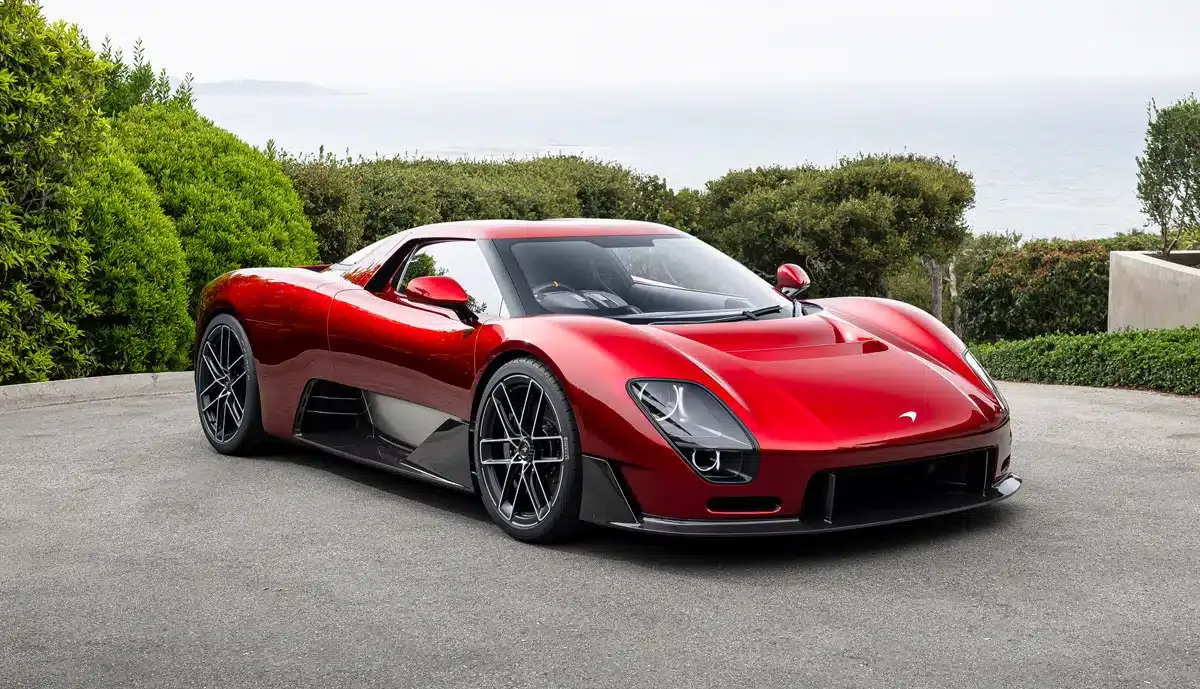
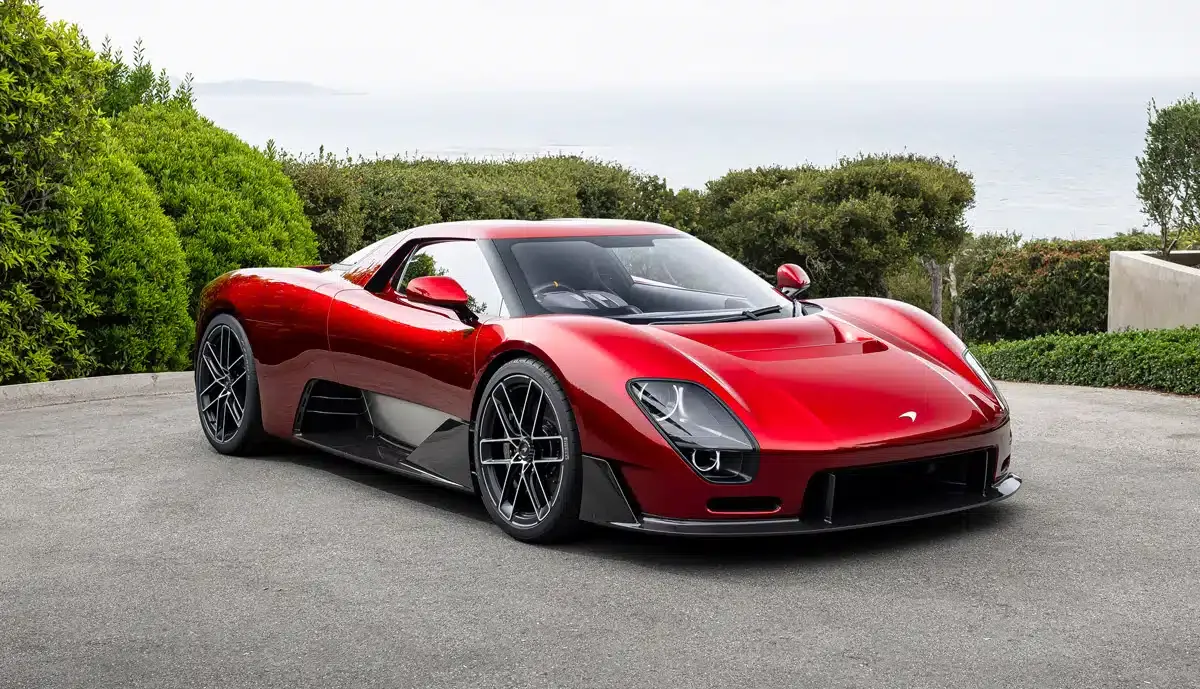
Image: McLaren (illustrative)
The British sports car manufacturer McLaren is facing a transformation of its product lineup. Under new leadership and ownership, the company is preparing for a new era in automotive production. Nick Collins, CEO of McLaren Group Holdings, recently expressed great optimism about this change to AutoExpress, emphasizing the significance of these developments for the company’s future.
After a year of intensive planning and significant decisions, the necessary foundations are now set to be established. According to Collins, McLaren previously lacked the required resources to implement such processes. With shareholder support, the company plans long-term strategies for customers and the brand, rather than merely reacting to short-term expectations from financial markets.
A key component of the new strategy is adjusting production volumes. Annual output is intended to be reduced to around 2000 vehicles. The goal of this measure is to optimize the balance between supply and demand as well as protect the value of used cars. Meanwhile, quality standards are also set to be improved.
A significant milestone in the model lineup is the introduction of the hybrid car W1. This vehicle from the “Ultimate Series” follows the F1 and the hybrid supercar P1. Additionally, double-digit million amounts were invested in McLaren’s design capabilities. In this context, Kemal Curic was hired as the new Chief Design Officer to play a key role in shaping the portfolio.
The future direction of the vehicle lineup aims to refine proven approaches while reaching a broader audience. Collins: “We will do everything we’ve always done, but better, and add a few more things.” The brand’s identity is intended to remain intact throughout this process.
Regarding propulsion, the company is focusing for now on internal combustion engines and hybrid technologies according to the CEO. Electrification is seen as a means to improve performance, with technical regulations playing a role. A fully electric vehicle is not planned at this time. “We will only build an electric car if our customers ask for it. And right now they don’t,” said Collins. “But if they are ready for it, we can do it.”
Also interesting
About the author
Thomas Langenbucher is an expert in electromobility with experience in the automotive and financial industries. Since 2011, he has been covering electric cars, sustainable technologies, and mobility solutions for ecomento.de. Learn more.
Reader interactions