
Maxus unveiled an electric tractor weighing 42 tons in Europe. It also introduced RoboVana and its service offerings.
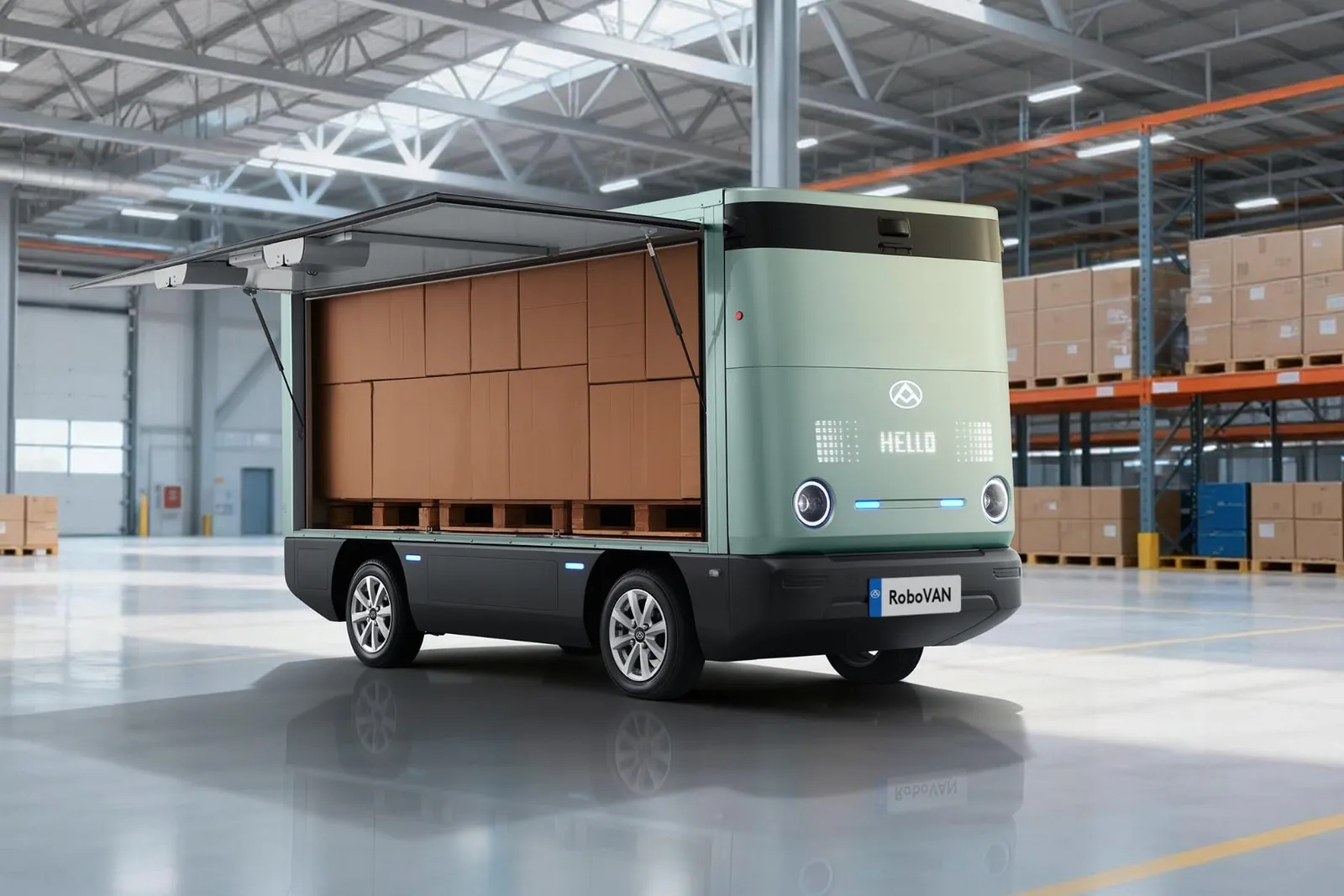
Maxus, a brand owned by SAIC, brought to the IAA Transportation in Hanover Europe’s first 42-ton electric tractor unit as well as a lighter eDeliver 75 model for the 7.5-ton class. Alongside these vehicles, it also showcased its autonomous RoboVan and announced plans to expand its service network in Germany to 170 locations by the end of 2026.
It is no longer just a manufacturer of vans and pick-ups. Maxus aims to enter almost the entire logistics chain, from urban delivery to heavy transport.
eDeliver 420L: 615 kWh, 25 minutes of charging, and the lack of one key parameter
The star attraction at the booth is the Maxus eDeliver 420L, an electric tractor unit designed for loads up to 42 tons. Based on the AILink modular architecture, it is said by the manufacturer to be optimized for long-distance transportation. Energy management and five-stage regenerative braking are intended to assist in this regard.
The chassis is powered by a CATL battery with a capacity of 615 kWh. Maxus claims a range of up to 1.5 million kilometers. This sounds good on paper, but the manufacturer has not yet specified the driving range. Given the timing of its release, this is a significant omission.
On the positive side, it has provided charging specifications. The truck can go from 20% to 80% charge in 25 minutes. If this figure holds true outside of promotional materials, it represents an exceptionally strong performance for such a large battery. Maxus supports this with considerations regarding driver breaks and working hours, which is logical in the context of heavy transportation.
Safety is another aspect addressed. The new cabin meets ECE R29 V3.0 standards, and in the event of a collision, it is designed to retract 500 mm to better protect the driver and passengers.
eDeliver 75 and RoboVan: urban logistics, but with varying levels of feasibility
The second new model is the Maxus eDeliver 75, shown in Germany after its debut in the UK last year. It is a chassis designed for the 7.5-ton class, targeting urban distribution and municipal applications.
The vehicle features a 120 kWh battery, a WLTP range of up to 250 km, and DC charging at 120 kW. Charging from 20% to 80% should take about 30 minutes. The manufacturer also specifies a chassis payload of up to 4590 kg along with electric power takeoff (ePTO), which can be more important for specialized vehicles than the driving power itself.
Next to it is the RoboVan with Level 4 autonomy. SAIC claims its technology has already covered over 10 million kilometers without an accident in real-world tests. The van is equipped with 3 lidars, 11 cameras, a payload capacity of up to 1500 kg, and a cargo space of over 6 m3. However, there is still a long way to go between test drives and regular operation on European roads.
Maxus also showcases V2X solutions, which refer to two-way charging for commercial vehicles. There are even daily demonstrations at the trade show showing how fleets can function as energy storage systems to reduce peak demand in buildings. It’s an interesting direction, but we’re still at the pilot stage here.
In the German market, the brand aims to support its expansion through services. By the end of 2026, the network is set to grow to 170 locations. Utz Rachner, head of Maxus Germany, says plainly: “This strategic move represents significant progress for the brand in the German market, with a clear goal: to make customer service, spare parts delivery, and support for fleets and dealers as customer-focused, fast, and efficient as possible.”
If Maxus can deliver charging and maintenance services, it might stop being a van brand in Europe and become a real player in e-logistics. And would you believe in 42-ton trucks today without any stated range?
LovEV Newsletter
Want more content like this?
Sign up — we’ll send you a weekly summary once the newsletter starts.