
Maserati is preparing two electric vehicles with Huawei and JAC. Help is coming from China, but with Italian assembly.
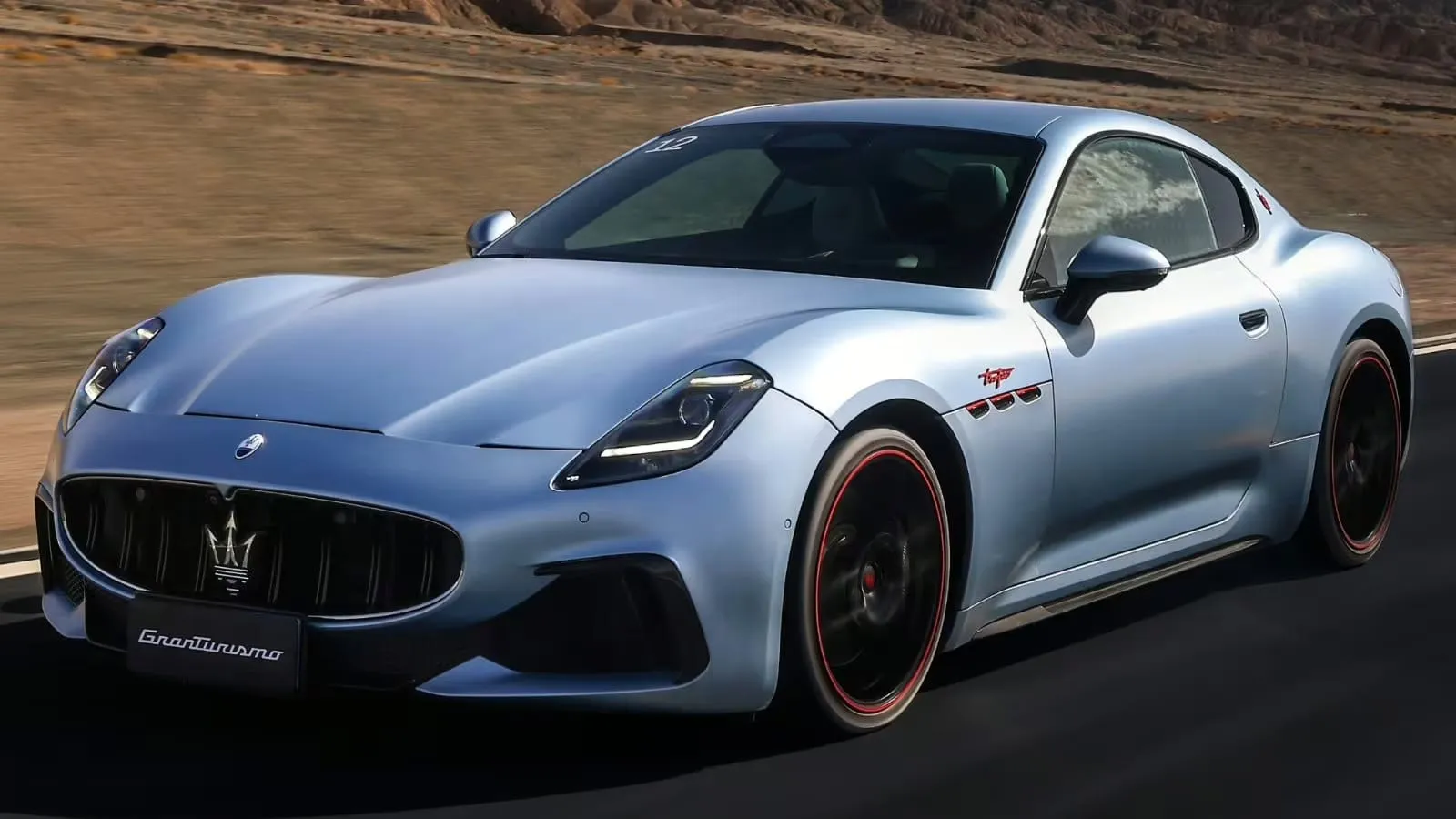
Maserati has already outlined a plan for two new electric models developed in partnership with Huawei and JAC. These are a large GT vehicle and a mid-to-large SUV, with the GT being the first to hit the roads. This is another sign that the Italian brand is seeking cost cuts rather than just prestige.
According to Auto Time, a publication owned by 36Kr, Maserati wants to leverage Chinese technology and manufacturing to recover from its very weak sales performance. The plan includes a mid-to-large electric SUV and a large electric GT. The SUV is intended to complement the Grecale and Folgore models, while the GT will strengthen the brand’s position where the GranTurismo Folgore currently sits.
As of now, no specific launch dates or information about finalizing a commercial agreement has been released. There is a roadmap, but not yet a concrete timeline.
China will handle the bodywork, Italians will finish the rest
The most interesting aspect of this is the production model. Maserati plans to rely on SKD, or semi-assembled cars. The body-in-white structures would be manufactured in Hefei, China, before the vehicles are sent to Italy for the installation of luxury interiors and final calibration.
The goal is simple: reduce costs while maintaining a premium image. It would also allow the brand to make better use of its facilities in Cassino and Modena. Clever. And quite brutally honest, considering how much it costs today to develop a proprietary platform for a niche brand.
Maserati would also gain greater control over overseas sales. The initial target markets include the Middle East, Italy, France, and Germany. From our perspective, this means that if the project succeeds, entering Europe won’t remain just theoretical.
The background is simple: declining sales, rising losses
This is not the first time that the topic of Maserati’s collaboration with Chinese companies has come up. As early as May 13, 2026, Yunjian Insight reported that Huawei, JAC, and Stellantis were discussing joint development of new energy vehicles. That scenario assumed Huawei would handle product definition and key technologies, JAC would take care of engineering and production, while Maserati would focus on styling and brand support.
In the Chinese market, these vehicles would be launched under the Maextro brand, while outside China they would bear the Maserati logo. Back in May, there were even talks of mass production starting in the second half of 2027.
The pressure is high because Maserati’s sales figures are poor. In 2025, global deliveries dropped below 8,000 units, a decline of over 80% compared to the peak in 2017. The brand also recorded a adjusted operating loss of 198 million euros, with a margin of minus 27.3%. It’s not looking good.
Huawei and JAC are not starting from scratch, as their Maextro brand is already operating in China under HIMA. The first model, the S800, was launched in May 2025, with range extender vans the V680 and V800 joining it in August 2026.
If this approach succeeds, we’ll see very expensive Italian EVs with a Chinese chassis and electronics. The question is whether Maserati customers will accept such a compromise or see it as a late response to the crisis.
LovEV Newsletter
Want more content like this?
Sign up — we’ll send you a weekly summary once the newsletter starts.