
Maserati partners with Huawei and JAC: the new electric car will arrive in 2027
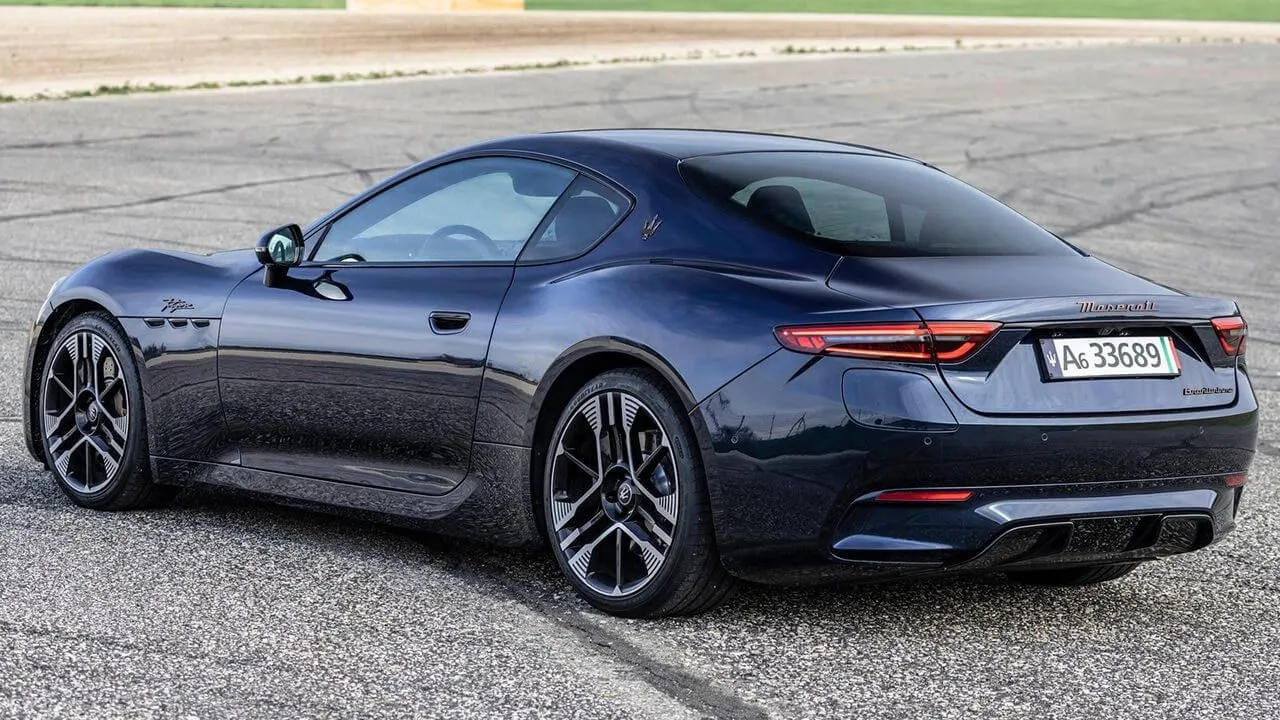
Maserati may be on the verge of making one of the most notable turns in its recent history. Stellantis is in talks with Huawei and the Chinese company JAC to establish a long-term industrial partnership with the Italian brand, an alliance that could result in a new jointly developed model set to launch by the end of 2027.
The information, first reported by the Italian newspaper Milano Finanza and later confirmed by Reuters sources, suggests that the project would use Huawei’s Harmony Intelligent Mobility technology platform, while JAC would contribute its expertise in development and manufacturing. Maserati, on the other hand, would retain the design, luxury positioning, and Tridente identity. For now, however, these discussions have not yet led to a final agreement.
The proposal is particularly interesting because the model could be marketed using a dual-brand strategy. In China, it would be sold under Maextro, the luxury brand developed by Huawei and JAC, while in other markets it would bear the name Maserati. Thus, it would be the same project with two different commercial identities depending on the market.
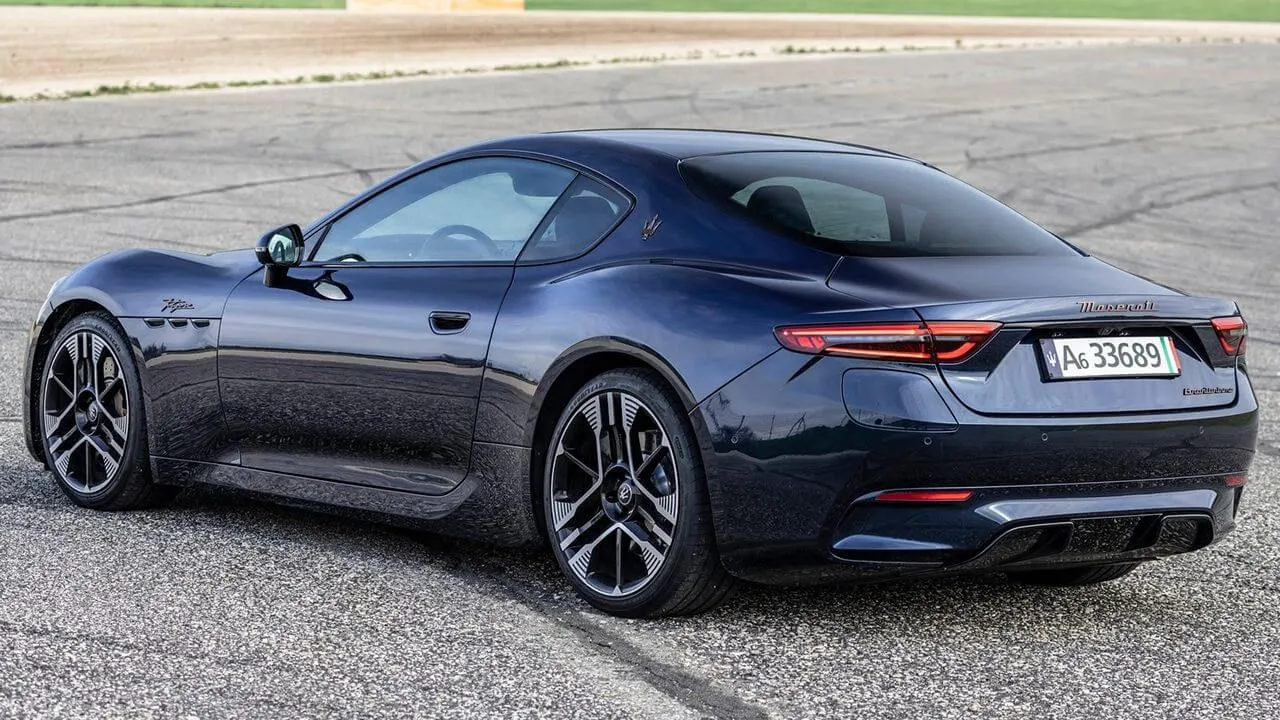
The approach mirrors the operation of other Huawei collaborations within China’s automotive industry. The technology company has become one of the key players in Chinese automobiles without needing to manufacture cars directly, by providing electronic systems, software, connectivity, and product design through partnerships with various manufacturers. JAC also already has experience working with other major international groups, including Volkswagen.
For Maserati, this move would have far-reaching implications beyond simply launching another model. The brand is facing a challenging situation within Stellantis and needs to restore its sales volume without losing its status as a luxury manufacturer. In 2025, it shipped 7,900 units, down from 11,300 the previous year, while its adjusted operating losses reached 198 million euros.
This situation explains why Stellantis is seeking new strategies for Maserati. The group has already made industrial partnerships with Chinese manufacturers a cornerstone of its strategy for the coming years, including agreements with companies such as Leapmotor and Dongfeng as part of its business plan until 2030.
The new project could also help boost operations at Italy’s Cassino and Modena plants, where Maserati models are currently manufactured. However, it has not yet been determined where the future car developed with Huawei and JAC will be produced, so it cannot be assumed that its manufacturing will take place entirely in Italy. Reuters notes that such an agreement would have a positive impact on the production rates at both facilities.
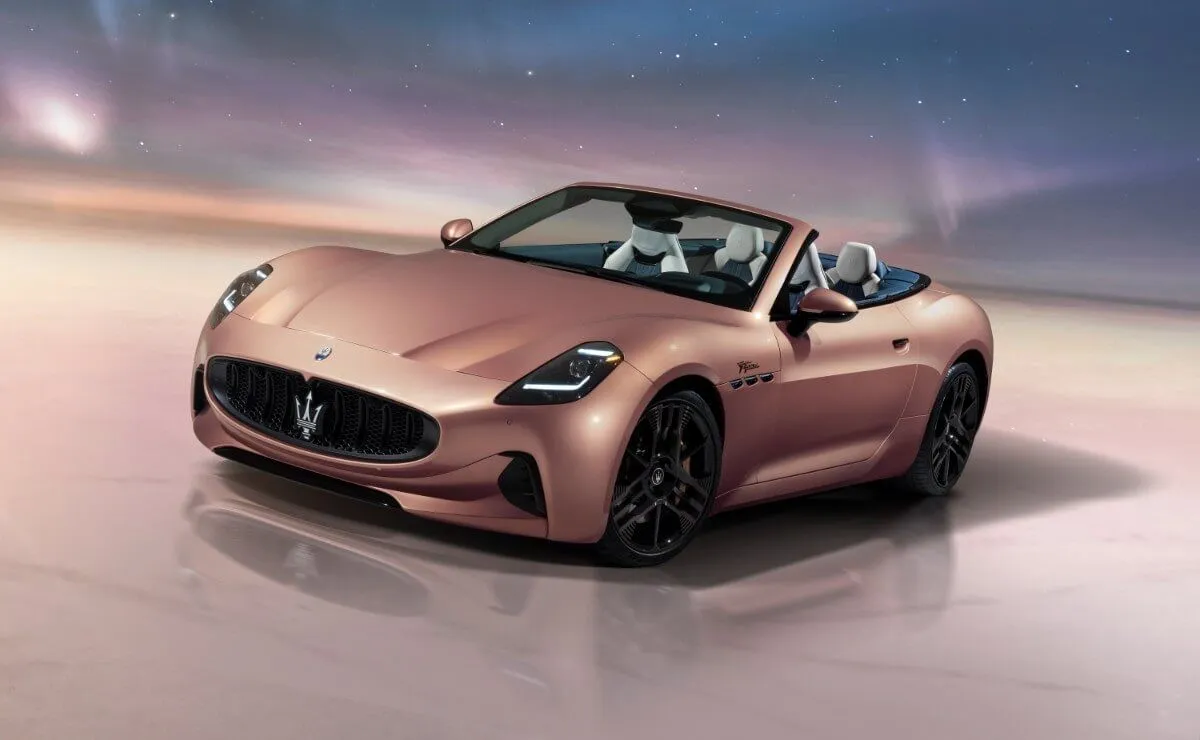
And here lies one of the most interesting points. Maserati already has experience in electrification with models such as the Grecale Folgore, GranTurismo Folgore, and GranCabrio Folgore, but their sales have not reached the levels needed to offset the substantial investment required to develop its own electric lineup. The partnership with Huawei would allow Maserati to access highly advanced Chinese technology without having to bear the entire development cost on its own.
The question is to what extent that Chinese technology will be integrated into the future Maserati. Huawei could take on a significant role in the electronic architecture and software, while JAC would handle industrial development and manufacturing. Maserati would retain what has traditionally distinguished the brand: design, tuning, and its positioning in the luxury market.
So far, there are no confirmed technical specifications for the future Maserati. Its size, battery, range, power output, or price are also unknown, so any figures that appear before an official announcement should be treated as estimates. What does seem clear is that the first joint model could go into production before the end of 2027 if negotiations succeed.
Stellantis has avoided confirming the deal. A spokesperson for the group said the company is in talks with various industry players around the world as part of its regular activities, aiming to offer new mobility options to its customers. Huawei and JAC, on the other hand, had not made any comments about the negotiations when Reuters published the news.
This move comes at a critical time for Maserati. Stellantis is preparing to unveil the brand’s long-term strategy by December, after ruling out its sale and reaffirming that it will remain part of the group. The goal is to find a way to preserve the exclusivity of Maserati while having an industrial structure capable of supporting it financially.
If the deal ultimately goes through, Maserati could become another example of how European manufacturers are increasingly turning to Chinese technology and industrial capacity to accelerate their transition to electric vehicles. The difference in this case is that the result would feature the famous Trident emblem on the front and could arrive in Europe as a completely new Maserati.