
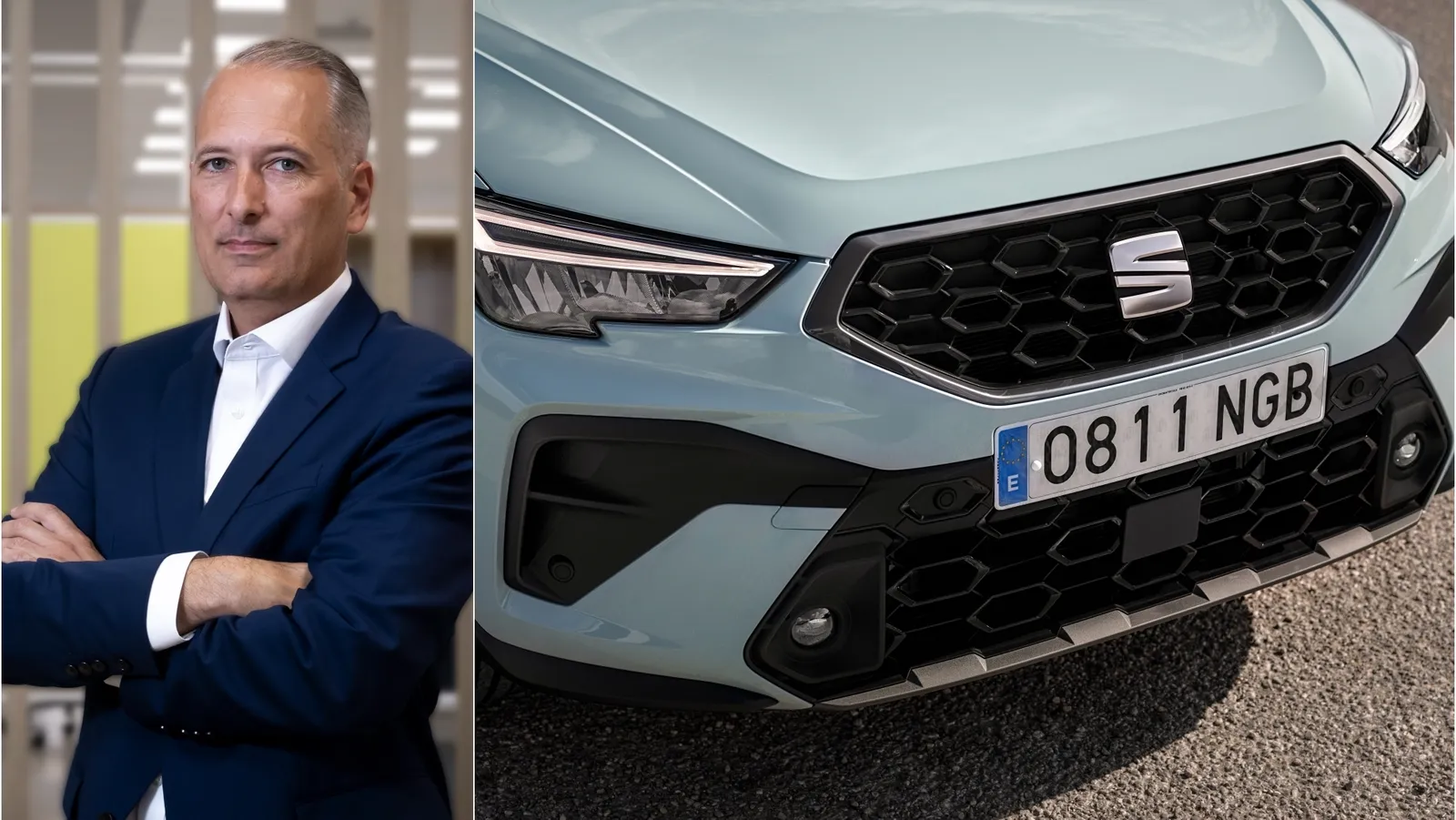
Markus Haupt: "There is no single path" for SEAT in the future; closure is not the only option for the Spanish brand.
18/10/2026 13:00
Updated to
18/10/2026 13:00
Over the past years, months, and weeks, there have been numerous rumors suggesting the end of the SEAT brand. No one doubts that this Spanish manufacturer is the weakest among those in Volkswagen Group’s sphere of influence. Its survival is in question, but disappearance isn’t the only possible outcome for the brand. Its top executive, Markus Haupt, has made it clear that the conglomerate has several solutions for its continued existence.
Haupt’s message from Paris—delivered during the Paris Motor Show—comes at a time of intense controversy. SEAT’s lineup has been reduced to just two older models, the SEAT Ibiza and the SEAT Arona, while its sister brand CUPRA continues to grow and generate higher profits. Moreover, internal documents from the group obtained by the press suggest that SEAT could cease to exist by 2029. No final decision has yet been made.
A group in the midst of restructuring
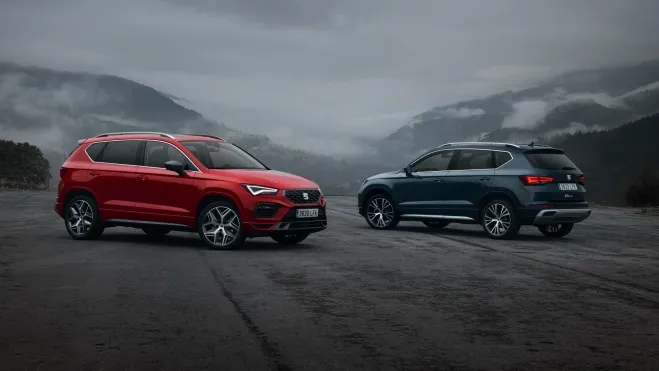
The context isn’t helpful. Volkswagen Group is undergoing a major restructuring that could eliminate half of its models. Haupt is aware of the reports circulating, but insists there’s “no single path” for the brand. “We have different scenarios on the table, and yes, there’s a possibility that SEAT could gradually disappear,” he admits. However, he doesn’t set a deadline.
Light hybrids for the Ibiza and Arona
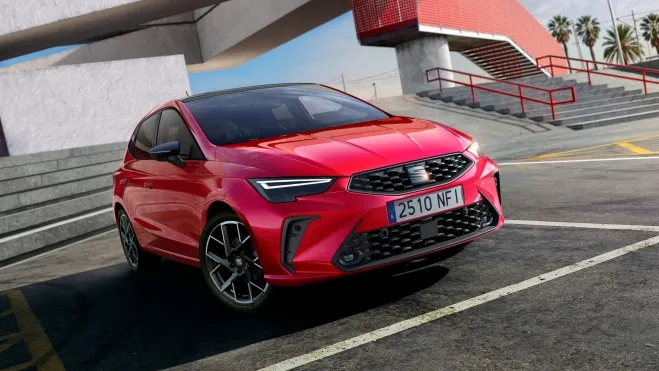
In the face of doubts, Haupt relies on the numbers. The SEAT Ibiza is the company’s best-selling car in Spain, and the brand has gained market share in some regions. “It enjoys great strength,” he says.
According to him, proof that the brand remains vibrant is investment. Next year, the SEAT Ibiza and Arona will feature engines with mild hybrid technology, carrying the important ECO label from the DGT. “This shows our confidence in this brand, because we need it. SEAT is part of our strategy,” he says. For now, there are no technical details on those engines: no power figures, no type of electrical system, and no fuel consumption data.
The CO2 regulations have the final say
Haupt doesn’t set a deadline for making a decision. He explains that everything depends on regulations: CO2 already plays an important role, and starting in 2030 it will be even harder to comply. But he adds that “there may be flexibility,” which would directly affect the decision.
That flexibility is already on the table. In December 2025, the European Commission proposed lowering the target from 2035 to a 90% reduction in exhaust emissions, rather than 100%, compensating for the remainder with low-carbon steel produced in the EU, synthetic fuels, or biofuels. If approved, internal combustion engine cars would have a slightly longer lifespan, and so would SEAT vehicles.
In addition to regulations, Haupt cites geopolitical factors, customer experience, and the pace of electrification. “Any deadline will be determined by regulations and customer behavior,” he summarizes. “Jobs won’t be lost,” Haupt said earlier.
Peace of mind for SEAT owners
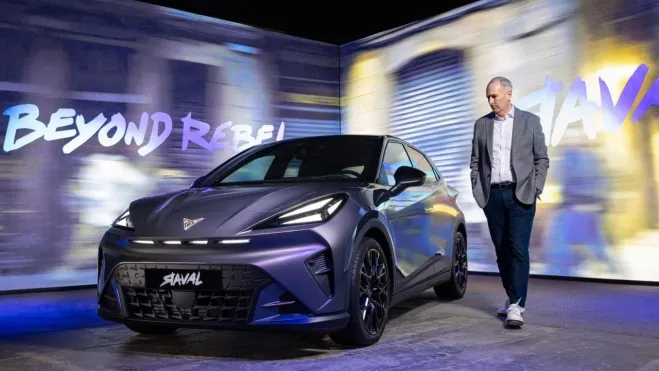
The executive also sends a message to owners. Even if the brand were to disappear someday, the group would still provide 15 years of service support for their cars. “There’s no reason to panic about any decisions; on the contrary,” he insists. In practice, nothing changes for SEAT buyers at this time. The Ibiza and Arona remain on sale and will receive mild hybrid versions next year. What remains unknown is the crucial question: when will the company’s future be decided, and whether the brand will have any new models beyond these two updates. According to Haupt, European regulations will play just as important a role as what customers decide to do.
Source: Autocar