
Markus Haupt clarifies doubts about SEAT: "The future is secure. We won’t lose any jobs
27/09/2026 11:15
Updated to
27/09/2026 11:15
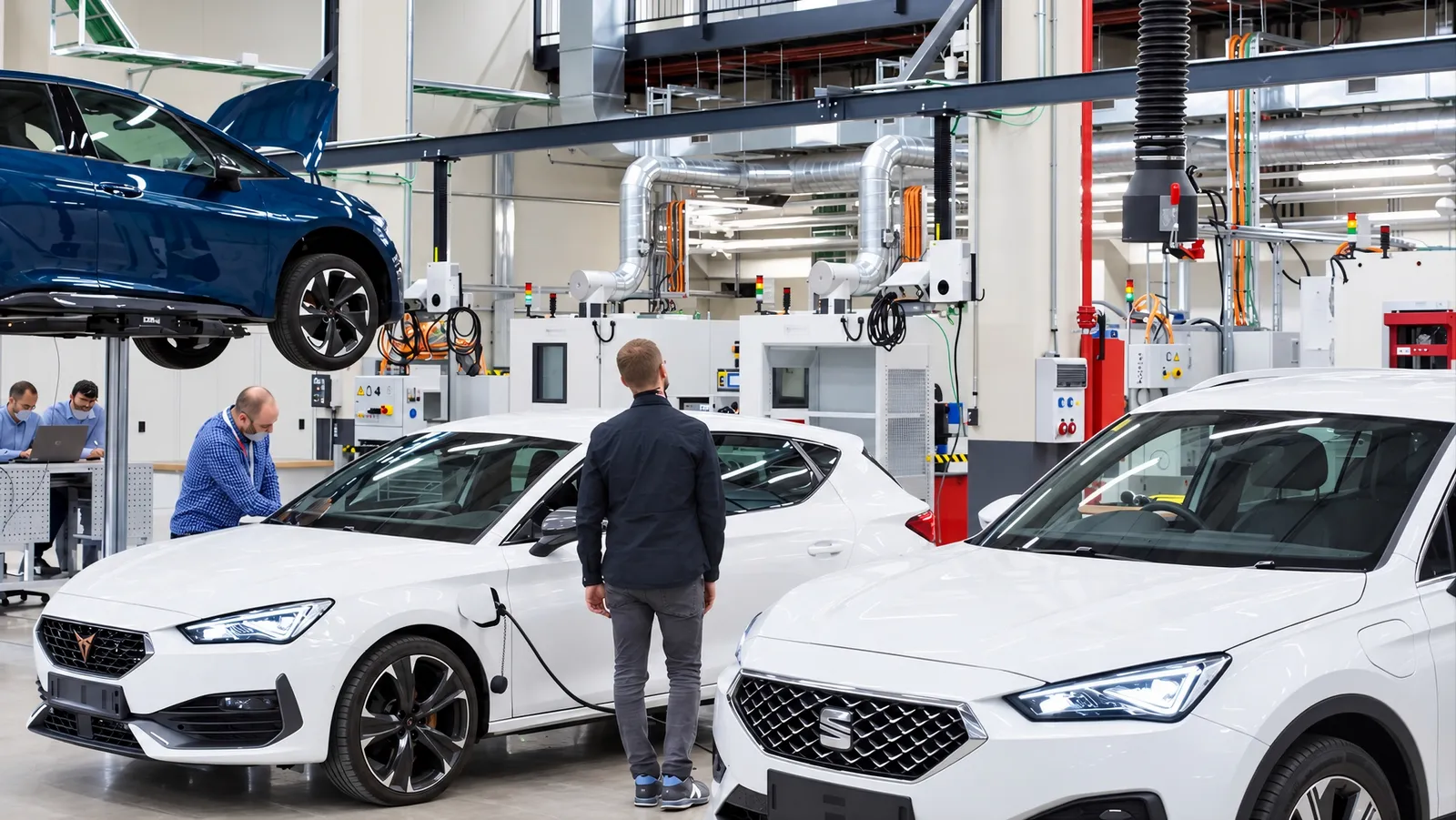
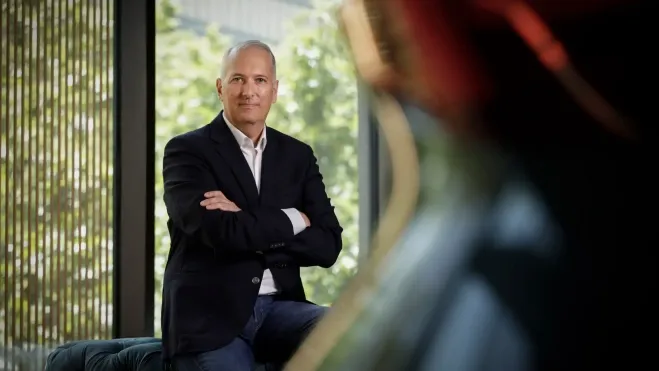
Almost two weeks have passed since news emerged about a possible end to the SEAT brand. The brand’s CEO, Markus Haupt, stepped in to clarify the doubts surrounding the Spanish company. Rumors of a potential disappearance had created uncertainty among employees, suppliers, and customers, but the company’s top executive wanted to send a particularly reassuring message about its industrial future.
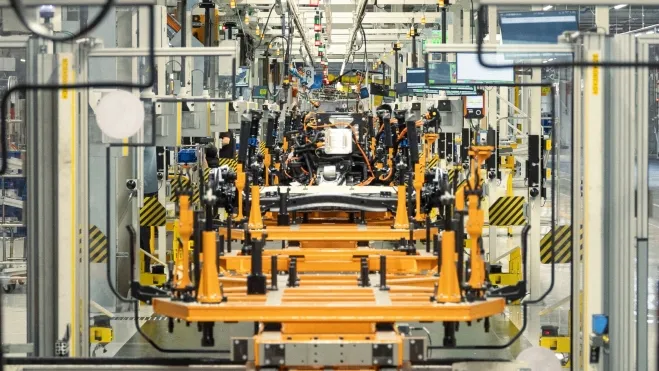
Haupt assured that the jobs at the Martorell factory “clearly” are not at risk under the current plans. The company has an industrial plan through the end of the decade that includes keeping the factory operating at full capacity, with various technologies and brands sharing its production lines.
Martorell strengthens its role as a hub for European electrification
Martorell has three flexible production lines and is equipped to manufacture vehicles from various brands and using different technologies. In addition to internal combustion engines, there will be plug-in hybrids and new urban electric vehicles from the Volkswagen Group, with mild hybrid versions for SEAT also set to arrive in 2027.
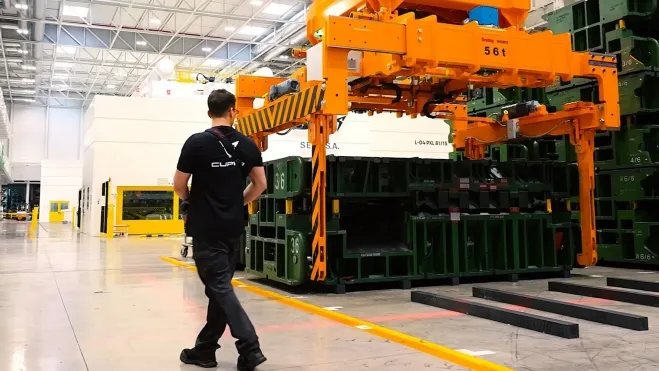
For Haupt, keeping a factory near its maximum capacity is essential to ensure cost competitiveness. This requires maintaining high levels of production and employment. The executive was clear on this point: “If we lose jobs, definitely not,” he said in an interview with El Periódico. He added that, based on the current information, employment prospects for the company are secure.
SEAT and CUPRA will pursue separate paths
The business strategy does have more nuances. SEAT S.A. currently includes two brands with distinct roles within the company: SEAT and CUPRA. The latter will remain the main driver for growth and electrification. This brand generates higher profits per vehicle and accounts for a significant portion of the company’s new electric products. SEAT, meanwhile, has defined its roadmap at least until the end of this decade.
Among its upcoming moves are updates to the SEAT Ibiza and SEAT Arona, which will feature mild hybrid versions. In this way, the historic Spanish brand will continue to increase the electrification level of its lineup, although it does not yet have a comparable electric vehicle strategy to CUPRA’s.
Haupt also wanted to emphasize that no decision has been made regarding the future of SEAT. There are various scenarios under consideration for beyond 2030, and the choice will depend on factors such as regulations, market developments, and customer preferences.
SEAT customers can also rest easy
Even if it were decided in the future to end the marketing of cars under the SEAT brand, Haupt wanted to reassure those who already own one of its vehicles. The company is obligated to provide support for 15 years from the last production of a model, so any future decision regarding the brand would not leave its current owners without coverage.
In addition, the industrial future of Martorell is a separate issue from the commercial fate of the SEAT brand. The factory is already gaining prominence within Volkswagen Group through the industrialization of the MEB21 platform and the new family of urban electric vehicles.
The company itself insists that its industrial responsibilities are growing. SEAT S.A. believes that the ability to produce internal combustion engines, hybrids, and electric vehicles simultaneously gives Martorell the flexibility needed to adapt to market changes in the coming years.
Therefore, although decisions still need to be made regarding the exact role SEAT will play beyond 2030, Haupt’s message about the company, the factory, and its workers is much clearer: with the plans currently known, Martorell will continue to play an important role within Volkswagen Group, and employment is expected to be maintained at least until the end of this decade.