
Margin Comparison: Profitability of European Automakers Under Pressure
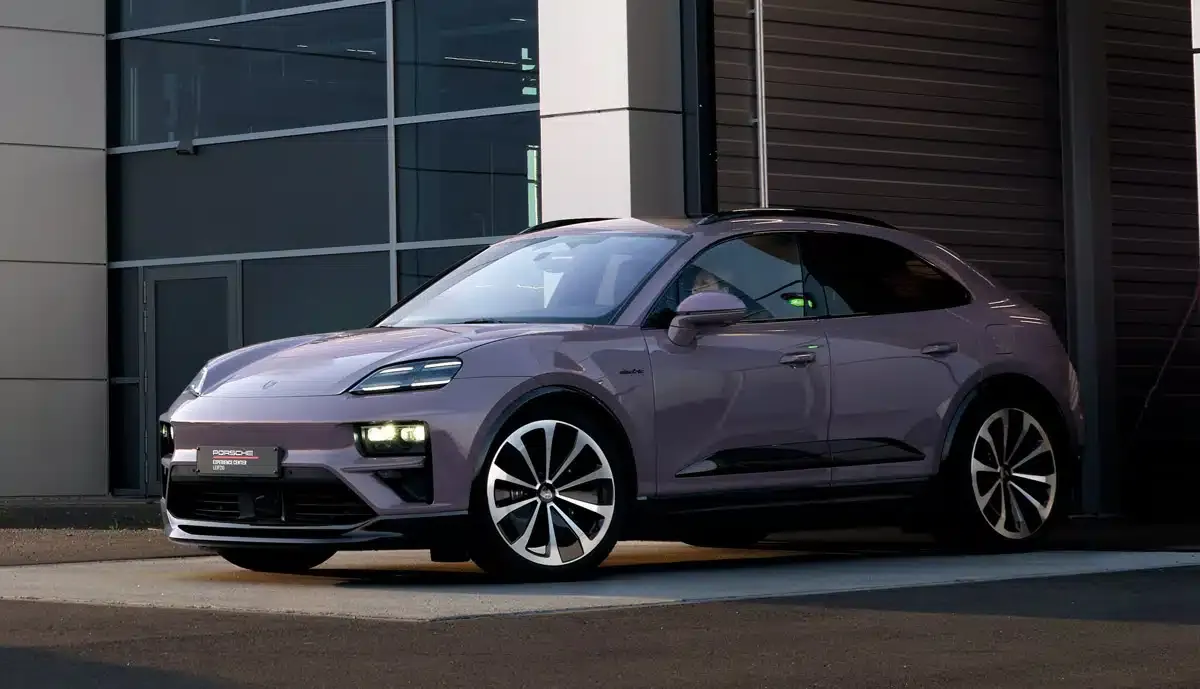
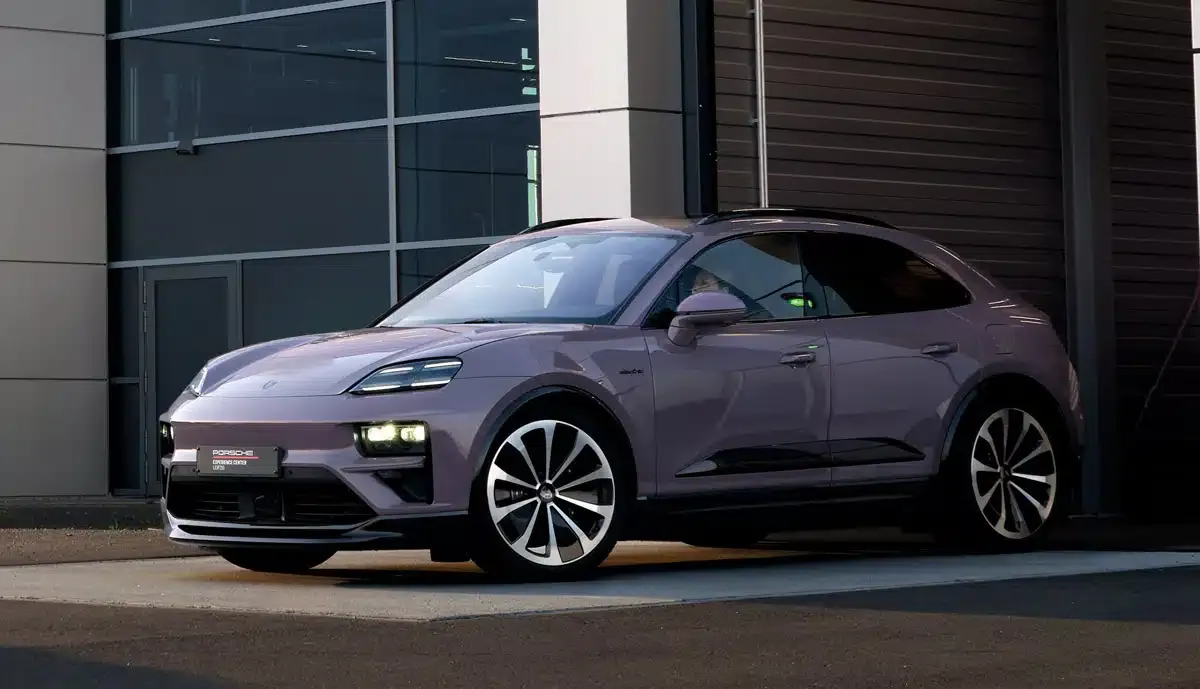
Image: Porsche (illustrative)
A comparison of margins for the first half of 2026, provided by an industry portal, highlights the current profitability of major automakers. Global trends such as technological lag in China and tariff barriers in the U.S. market significantly impacted the earnings of European companies, according to the Automobilwoche.
Volkswagen achieves a margin of 3.8 percent across all its brands. Among the 14 manufacturers analyzed, only Stellantis (2.1 %), Tesla (2.6 %), and Volvo Cars (1.6 %) have lower figures.
Frank Biller, an analyst at Landesbank Baden-Württemberg (LBBW), describes the situation for German manufacturers to Automobilwoche as a “perfect storm” caused by U.S. tariffs, a decline in business with China, and falling purchasing power in Europe. Cost structure is a key issue for Volkswagen, BMW, and Mercedes. Manufacturers can largely influence this aspect on their own. For example, Volkswagen aims to improve profitability through a cost-cutting program that could involve reducing up to 100,000 jobs.
US companies such as GM (8.9%) and Ford (6.5%) are currently among the most profitable manufacturers, according to Automobilwoche. Toyota (6.3%) and Kia (7.7%) also benefit from strong US sales of SUVs and pickup trucks. In terms of profitability, Porsche ranks second with 7.8%, though its margin was once as high as 19% in previous years.
The situation for other German premium manufacturers is more varied: BMW achieves an overall margin of 5.6%, with a pure automotive margin of 3.6%. Mercedes-Benz has a group margin of 5.4%, while its automotive margin is only 1.9%. Both companies previously reported significantly higher margins.
LBBW analyst Biller sees potential, however: “Despite the difficult situation, German manufacturers still expect to make profits,” he told Automobilwoche. This is a sign of strength and could also boost stock prices again.
Also interesting
About the author
Thomas Langenbucher is an expert in electromobility with experience in the automotive and financial industries. Since 2011, he has been covering electric vehicles, sustainable technologies, and mobility solutions on ecomento.de. Learn more.
Reader interactions