
No power? Yet 4,000 renewable energy projects are stalled
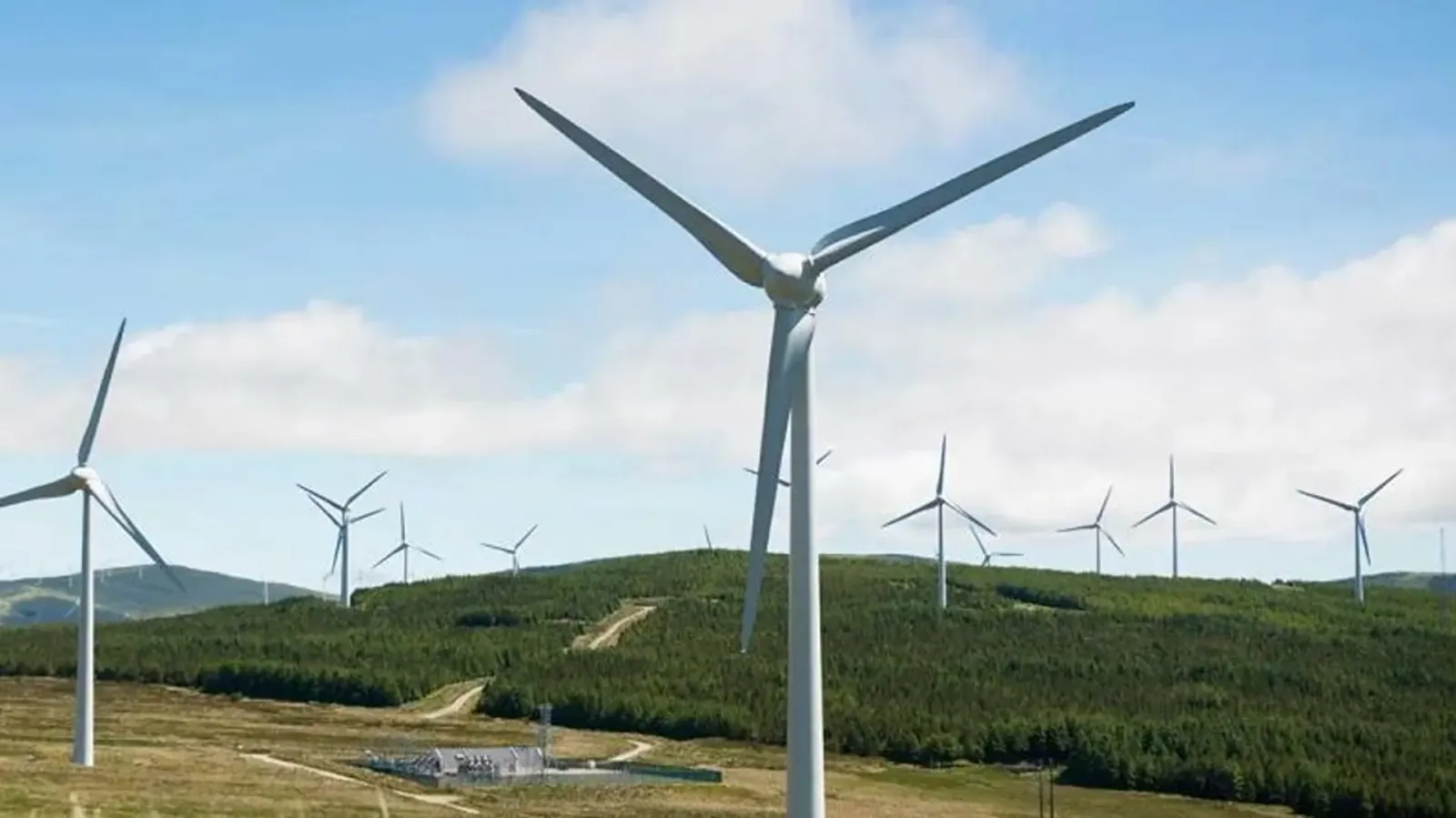
Italy has plenty of energy resources: we’re rich in sunlight and wind. But bureaucracy, and especially in the past three years, opposition from local committees—some of which now operate at a regional scale—is hindering the energy transition. We have frequently documented these territorial conflicts, from Emilia-Romagna to Sardinia and Puglia. Yet Elettricità Futura, the association representing Italy’s leading electrical industry companies, has counted the projects that have been halted: 4,000.
Electrification is on the rise, while renewable energy installations are progressing slowly.
The new buildings are powered — and must be powered, even during major renovations — by electricity, with charging stations being mandatory. Electric mobility is on the rise: some cities already have 70–80% of their buses powered by batteries, and according to ACI, the number of electric vehicles exceeds 200,000, plus over 300,000 plug-in hybrids.
ANIE on renewables: Italy must change course or lose its 2030 targets
So we’re talking about over half a million vehicles connected to charging stations. Not to mention that by 2030, ships will need to be powered from land via electric docks.
“Wind energy creates jobs.” That’s what a Sardinian mayor said, despite opposition from certain groups and the regional government.
The investments have already been made thanks to the 700 million from PNRR. Additionally, according to Motus‑E data, we have over 80,000 charging stations. These elements all confirm the increasing electrification of various industries.
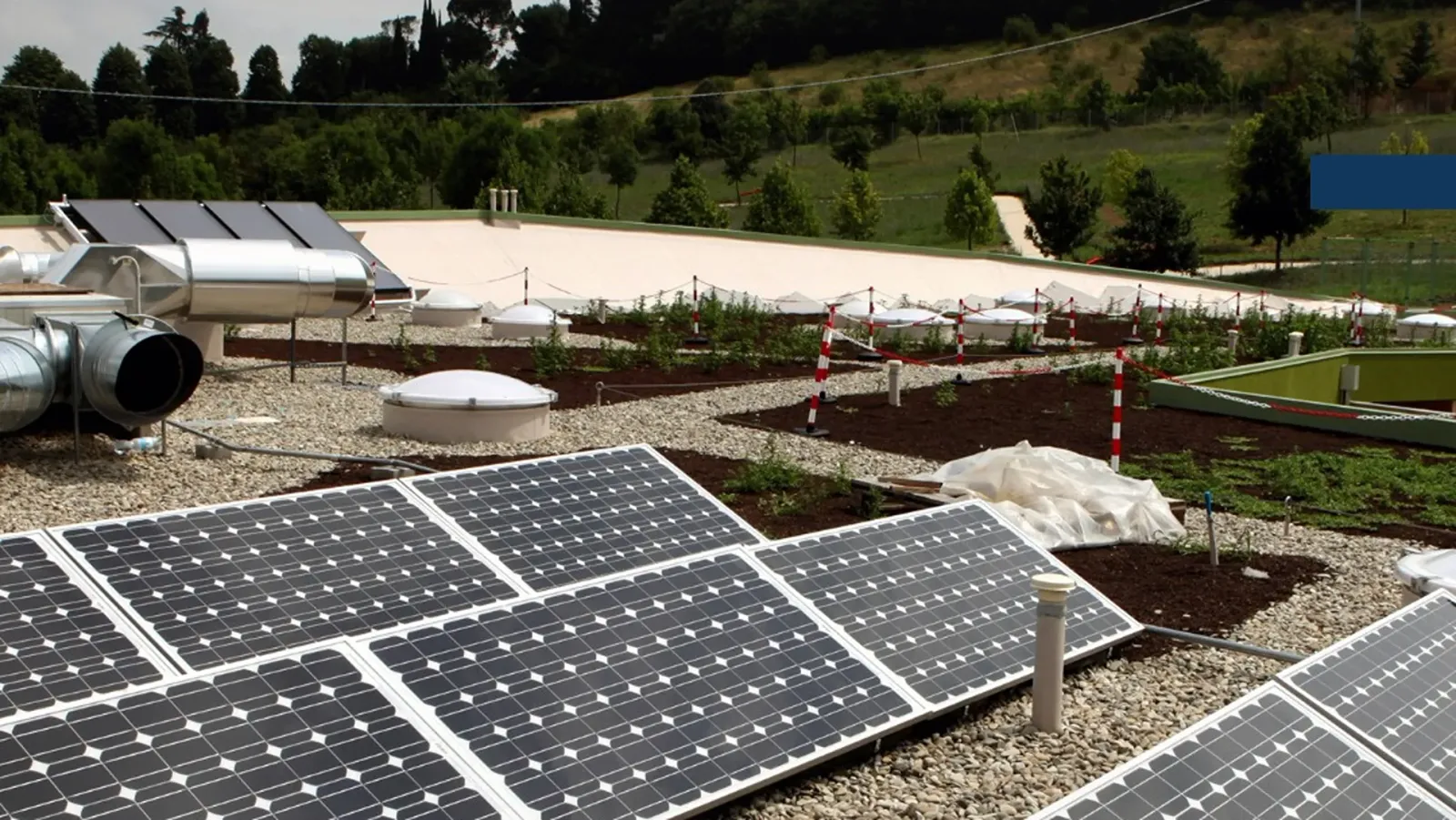
To this are added companies that manage to produce a significant portion of their electricity needs internally: from cement plants to steel mills, from breweries to fruit and vegetable markets, not to mention the huge energy demands of data centers.
Emilia Romagna: a step back on the ban on Euro 5 diesel. What about Lombardy?
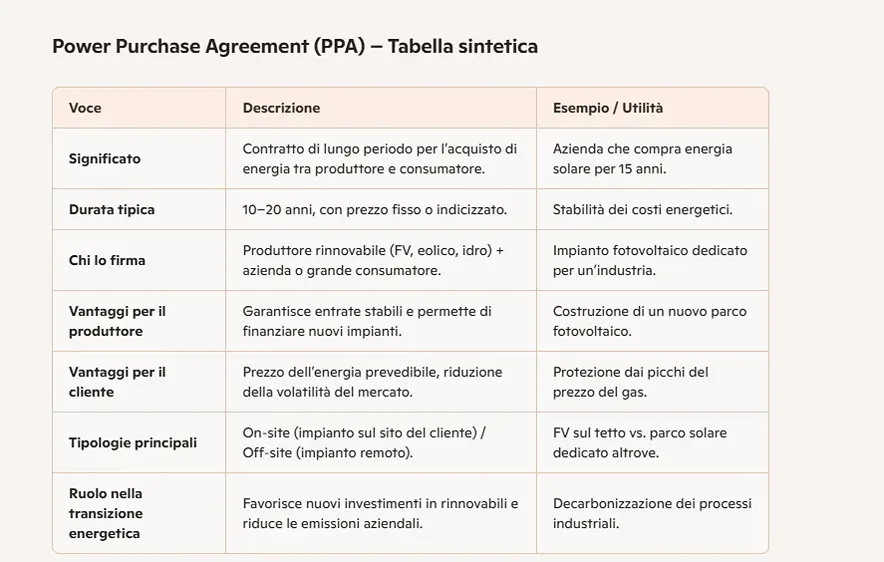
A growing trend that isn’t matched by a corresponding speed in installing renewable energy systems. This is highlighted by Elettricità Futura, which suggests a solution to mitigate the energy crisis: unlocking thousands of renewable energy projects that are currently on hold. But that’s not all. The proposal also includes support for fixed-price supply contracts for households and businesses, including PPA (Power Purchase Agreements) — long-term energy supply contracts between a producer and a consumer, usually a company.
Projects ready but unapproved for 159 GW
The association reports the existence of 4,000 existing projects with a total capacity of 150 GW, which are “held up by bureaucracy, mostly at the local government level.” What should be done? Elettricità Futura suggests focusing on simplifying administrative procedures “to rapidly increase the supply of energy from clean sources and reduce dependence on traditional fossil fuels.”
Schlein to Meloni: 14 billion for climate and energy in 5 proposals
More power plants and the use of fixed-price contracts for electricity supply to households that “ensure stable prices for 24-36 months and can be 30-40% lower than market prices observed in the energy wholesale market.”
A concrete example: “Even today, with the PUN at 220 euros per MWh, a family can find offers where the energy cost is 160 euros/MWh.” The PUN, or National Unified Price, is the wholesale market reference price for electricity in Italy and represents the average hourly price at which energy is traded on the electricity exchange.
For the industrial sector, Elettricità Futura focuses on PPA contracts. “Solutions already exist for businesses through PPA, allowing them to obtain energy at 75 euros per MWh, which is essentially one-third of the market price.” In other words, “for businesses, in addition to fixed prices, it is necessary to expand access to PPA using renewable sources that already enable decoupling electricity prices from gas prices.” By linking supply contracts directly to renewable energy production, energy costs are less affected by fluctuations in natural gas prices.
READ ALSO: Sardinia, buffalo festival against renewables, and watch the VIDEO
Previous Article
Italy’s Decline in Live Coverage
Next Article
A World Tour of 45,000 km with Tobias’s Truck