
MAN manager: Charging infrastructure hinders the spread of electric trucks
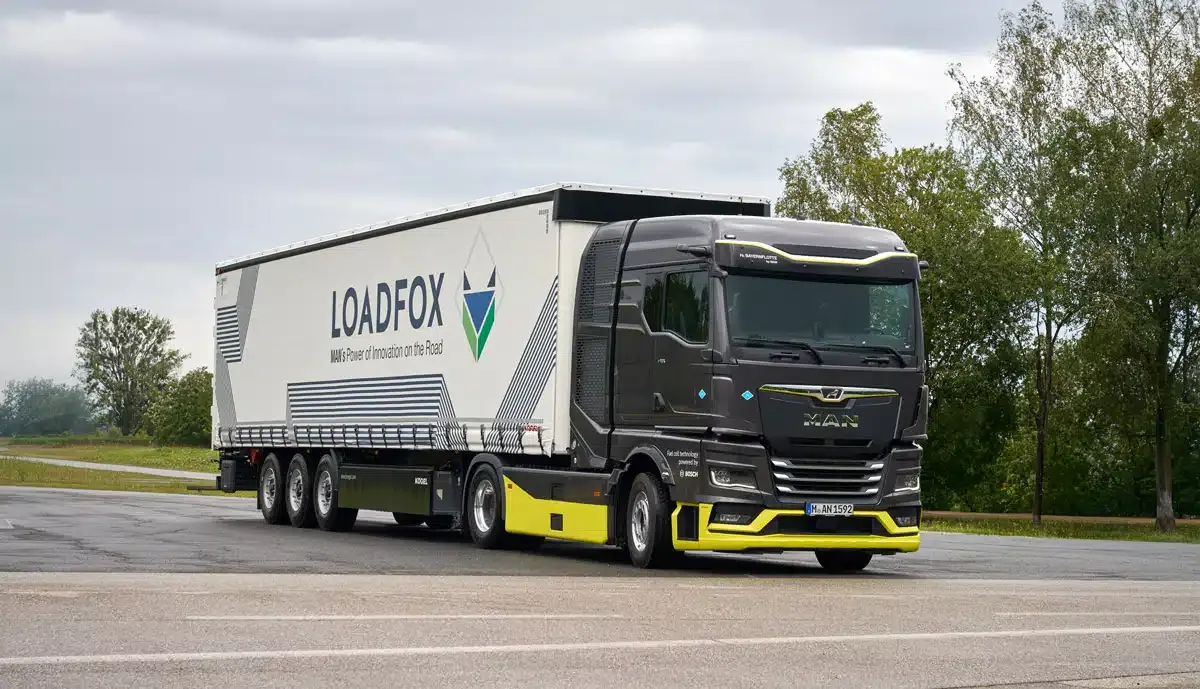
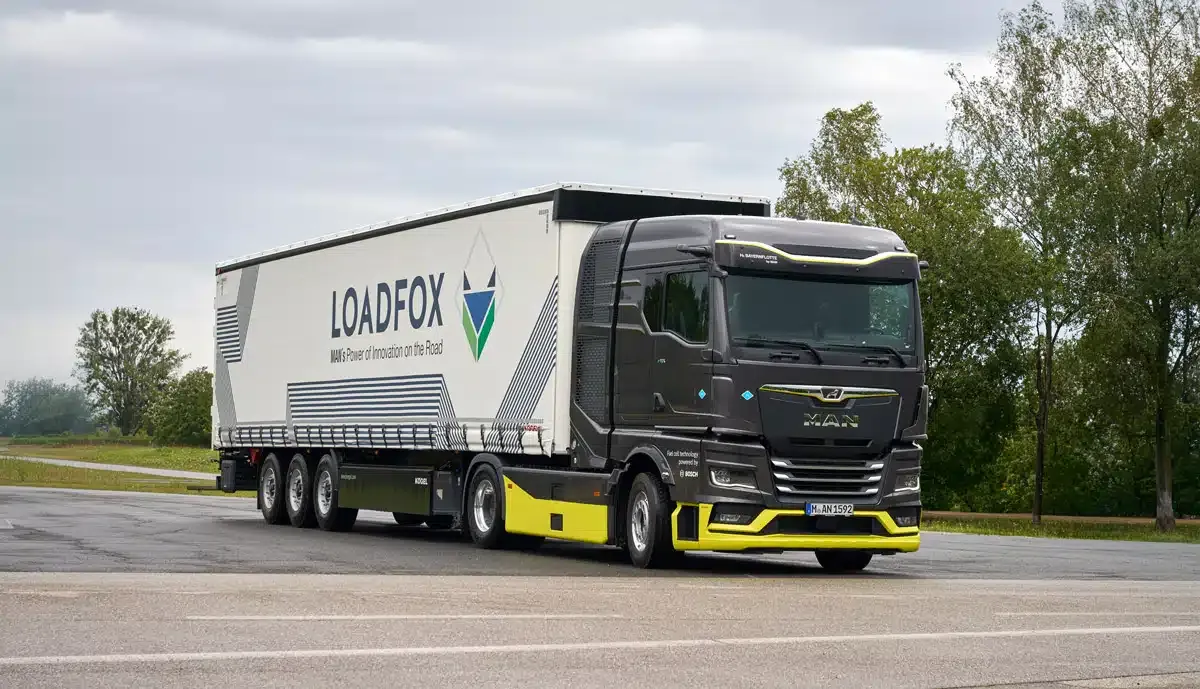
Image: MAN
The decarbonization of road freight transport is progressing. Friedrich Baumann, head of Sales and Customer Solutions at MAN Truck & Bus, explained in an interview with nfz-messe.com that battery-electric trucks are already cost-effective for certain use cases. With annual driving distances of at least 100,000 kilometers and heavy use of toll roads, the break-even point — the threshold for profitability — can be reached in about three to three and a half years.
According to the MAN manager, cost efficiency depends heavily on the energy source. Companies that use their own electricity from photovoltaic systems could gain a competitive advantage over diesel engines due to low costs of around ten cents per kilowatt hour. A key factor is the integration of infrastructure such as battery storage or two-way charging, which allows vehicles to serve as storage for self-generated electricity on weekends.
In the field of hydrogen technology, MAN Truck & Bus is currently producing a small series of around 100 to 150 vehicles. A large-scale production is not yet feasible according to the company, due to current demand and high costs for public hydrogen, which can range from 12 to 18 euros per kilogram. A price between 3 and 5 euros per kilogram would be required for economic viability, explains Baumann.
The MAN executive identifies not the charging stations themselves but the lack of grid connections as the biggest hurdle to the expansion of electric mobility. Electricity demand is rising, yet the power grids have not been adequately expanded over the years. To address this challenge, the commercial vehicle manufacturer is working together with energy company E.On among others.
Diesel engines will continue to play a central role at MAN in the future as well. The company is continuing to invest in the development of Euro-7 technology and fuel efficiency improvements. Baumann predicts that by the early 2030s, about 40 percent of trucks in Europe will be battery-electric. Nevertheless, diesel remains important due to its technological maturity and presence in international markets, even though costs could rise with additional technologies.
MAN plans to operate with multiple technologies in parallel on a long-term basis as an international manufacturer. The decision regarding drive technology is becoming increasingly complex for customers, which is why, according to Baumann, guidance from the manufacturer gains importance. In the future, technological advancements such as megawatt charging to reduce charging times and further development of bidirectional charging will shape the market, he says.
Also interesting
About the author
Thomas Langenbucher is an expert in electromobility with professional experience in the automotive industry and finance sector. Since 2011, he has been covering electric vehicles, sustainable technologies, and mobility solutions for ecomento.de. Learn more.
Reader interactions