
Green light for the deal: China approves Geely’s acquisition of a third of Ford Spain
08/09/2026 13:00
Updated to
08/09/2026 13:00
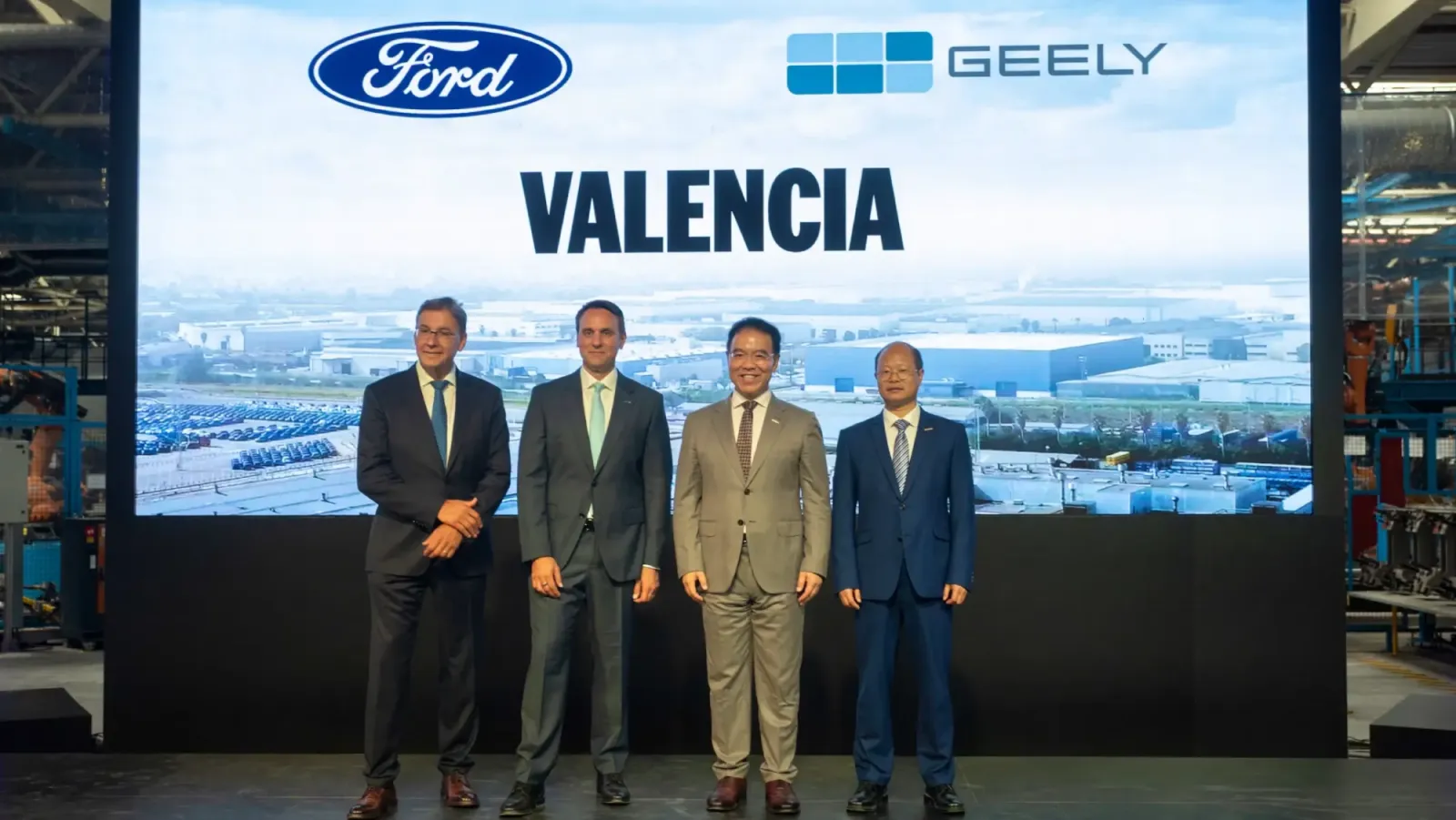
The automotive industry landscape in Europe is undergoing significant changes, such as the shift toward electrification and a realignment of global industry power dynamics. A clear example is the agreement between Geely and Ford Spain, under which Geely acquired a 34% stake in Ford Spain. However, the deal was pending approval from China, which has now been granted positively. This approval marks a crucial milestone for the establishment of a multi-million dollar strategic partnership aimed at reshaping the production future of the Almussafes plant.
Through this transaction, the Chinese group will pay around 221 million euros to acquire one-third of the shares in the Valencia factory, while the American company will retain a majority stake with the remaining 66%. To finalize this corporate structure, Ford Spain’s operations will be clearly separated: commercial, distribution, and customer service activities will be excluded from the deal, focusing exclusively on the manufacturing capacity and industrial assets located in Valencia.
Strategic alignment for a shared factory
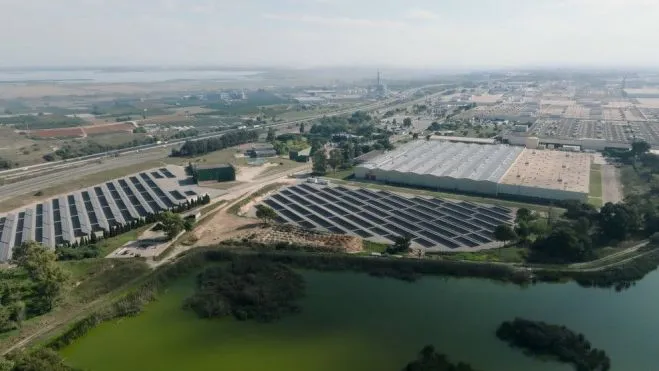
The entry of an Asian partner into the Almussafes facility is not merely a financial move but stems from the need to optimize production capacity in light of the challenges posed by the zero and low-emission vehicle market. This Valencia factory, which has been a cornerstone for producing combustion engine cars across Europe for decades, had its assembly lines operating far below their full capacity.
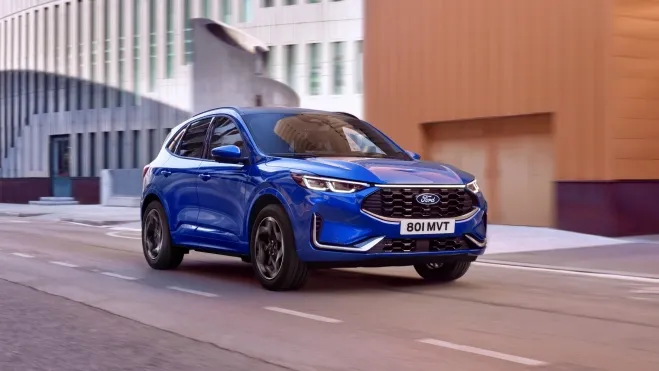
Through a joint venture, Geely and Ford will operate the plant together to share financial risks, maximize scale economies, and accelerate industrialization timelines. The company’s roadmap includes developing and assembling up to five different models on the Valencia platform by the end of the decade. This diversified portfolio will feature key existing models such as the Ford Kuga, along with new electrified vehicles from the American brand and 100% electric cars sold by various brands under the Chinese group’s umbrella.
Local production as a response to global trade tensions
The Chinese consortium’s interest in securing the factory’s capacity comes amid a situation characterized by rising tariff barriers on imports of electric vehicles manufactured outside Europe. For major Asian brands seeking to strengthen their presence in the European market, having production facilities on European soil has become a priority, both to reduce logistics costs and to avoid tariffs.
At the same time, this partnership allows the U.S. partner to maintain critical infrastructure without bearing alone the high costs of technological adaptation required for large-scale electrification. The American company can benefit from its Asian partner’s faster product development cycles, while the latter takes advantage of a highly skilled workforce and a well-established network of suppliers in the Valencian Community.
A new horizon for employment and the supply chain
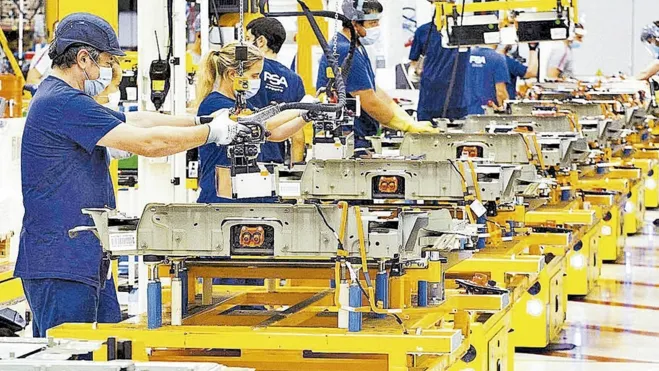
Beyond the corporate ties between Detroit and Hangzhou, the approval of this agreement provides a significant boost to Spain’s engine industry ecosystem. The involvement of an investment partner ensures the continuation of thousands of direct jobs at the factory in Valencia and brings stability to the auxiliary components industry that supports this industrial hub.
Transforming Almussafes into a multi-brand, multi-energy manufacturing platform sets a precedent in the European automotive industry. The coexistence of cutting-edge electric architectures with hybrid mechanical systems within the same facility reflects the dynamism of an industry where technological competitiveness and cooperation among global groups have become the key factors for survival and growth.