
Lucid and Bolt are preparing 25,000 autonomous vehicles for Europe
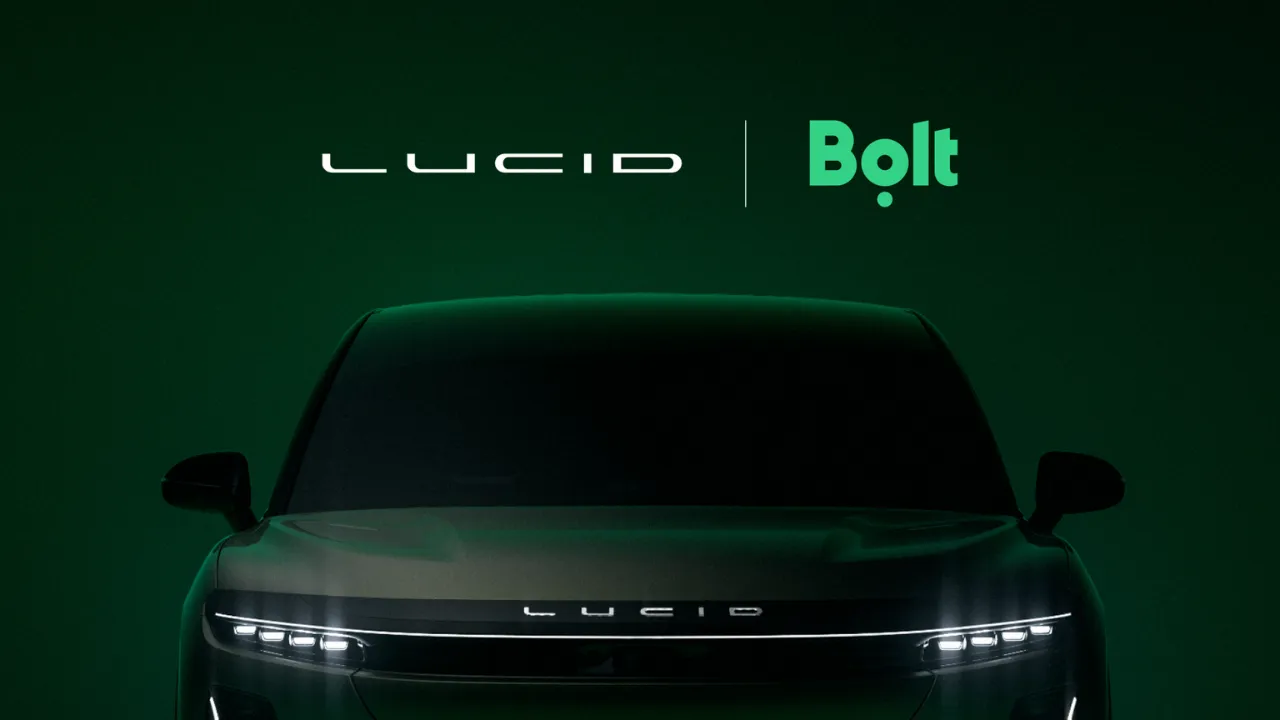
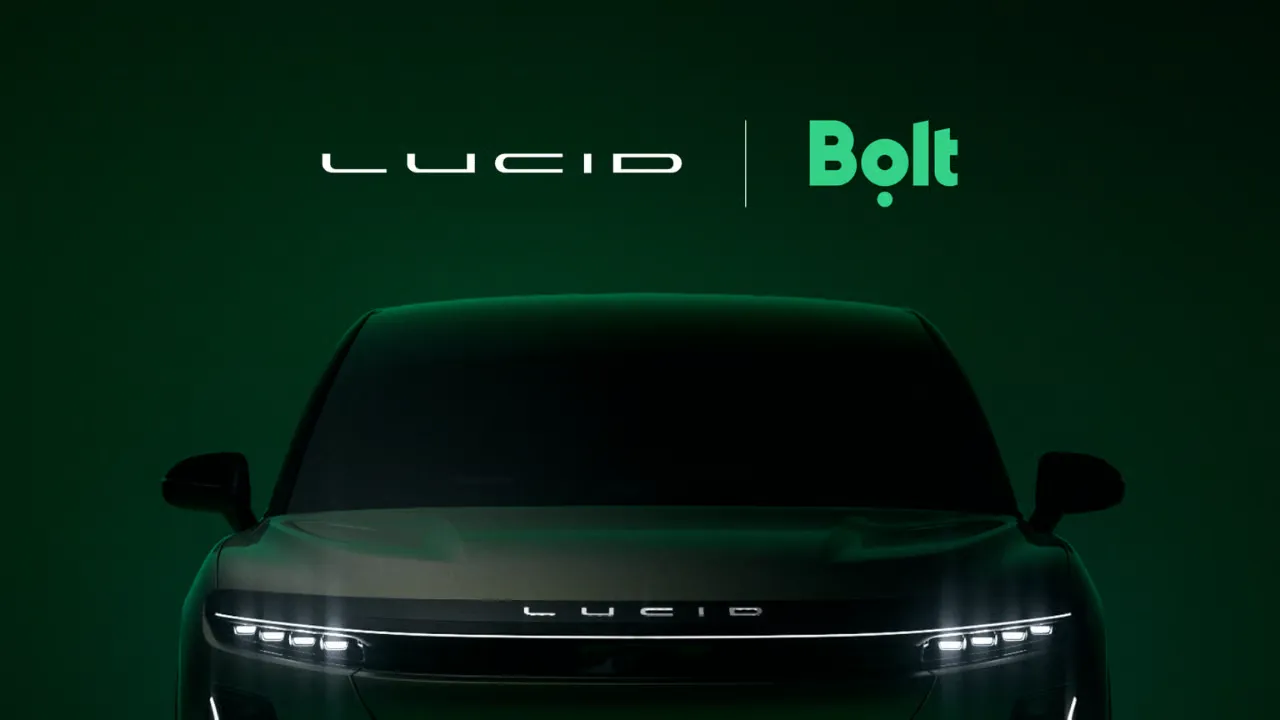
Lucid and Bolt are partnering to deploy at least 25,000 autonomous vehicles in Europe. The future models will be based on the American manufacturer’s upcoming Midsize platform and designed to support level 4 autonomous driving. However, there is no specific date yet for their arrival on European roads.
Just a few days after confirming its entry into France through Emil Frey, Lucid reveals another significant step in its development in Europe. The American manufacturer has recently formed a partnership with Bolt to develop autonomous vehicles for shared mobility services.
The ambition is significant: Bolt plans to deploy at least 25,000 fully autonomous Lucid vehicles in several major cities and countries across Europe. These will contribute to a much broader goal for the Estonian company, which aims to have 100,000 autonomous vehicles by 2035. This latter figure does not solely refer to models resulting from the partnership with Lucid.
Specially Developed Lucids for Bolt
It won’t be a simple matter of installing an autonomous driving system in an existing Lucid. The two companies intend to collaborate from the vehicle development stage onward.
Also Read
Lucid Gravity GT-S: Supercar performance in a 7-seater electric SUV
The future models will be based on the Midsize platform, Lucid’s new architecture designed for vehicles that are more compact and affordable than the current Air and Gravity models. One variant will be designed to accommodate a Level 4 autonomous driving system according to the SAE classification. At this level, the vehicle can drive itself without human intervention, but only in the conditions and areas for which the system was designed.
The platform is expected to use NVIDIA Hyperion, a reference architecture for autonomous vehicles that combines computing power with a standardized set of sensors. This is not exactly the autonomous driving software that will equip the vehicles, and the technology partners responsible for this aspect have not all been identified yet.
Lucid already has some experience in this field. In the United States, the manufacturer is working with Uber and Nuro on another robotaxi program. Uber has committed to deploying at least 35,000 Lucid vehicles, including Gravity models and future ones based on the Midsize platform.
Bolt wants to own and operate the vehicles
The division of roles between the two companies is already fairly well defined. On the manufacturer’s side, the project will be led by Lucid Technologies, a new entity specifically created to consolidate Lucid’s activities in artificial intelligence, driver assistance, autonomous driving, and digital functions.
Bolt Autonomous Driving Solutions will be involved in the development of these vehicles. It will help define their features, as well as the parameters related to software, safety, and passenger experience.
Bolt will then need to establish the infrastructure required for operating these vehicles, fleet management systems, and partnerships with various cities. Most importantly, the company plans to own and operate all 25,000 vehicles itself.
Both companies also state that they will work with European authorities and the necessary technology partners to deploy the service.
25,000 vehicles, but when?
This is the main unknown factor in this announcement. Lucid and Bolt have set an impressive goal of producing at least 25,000 vehicles, but no timeline has been provided to achieve this volume. The amount of investment required for the project also remains unspecified.
The challenge will not be solely technological. Autonomous driving services must navigate regulations that still vary across European countries. Bolt’s CEO, Markus Villig, believes that regulatory and safety requirements are one of the main obstacles to the rapid development of robotaxis on the continent.
For Lucid, this partnership allows it to expand the use of its technologies far beyond its passenger cars. The American manufacturer is already receiving significant orders in this area: at least 35,000 vehicles for the Uber/Nuro program, plus an additional 25,000 for Bolt in Europe.
What remains to be seen is when the first driverless Lucid vehicles will actually be able to pick up passengers on European roads.