
Lotus is considering the impact of potential EU tariffs on Chinese PHEVs
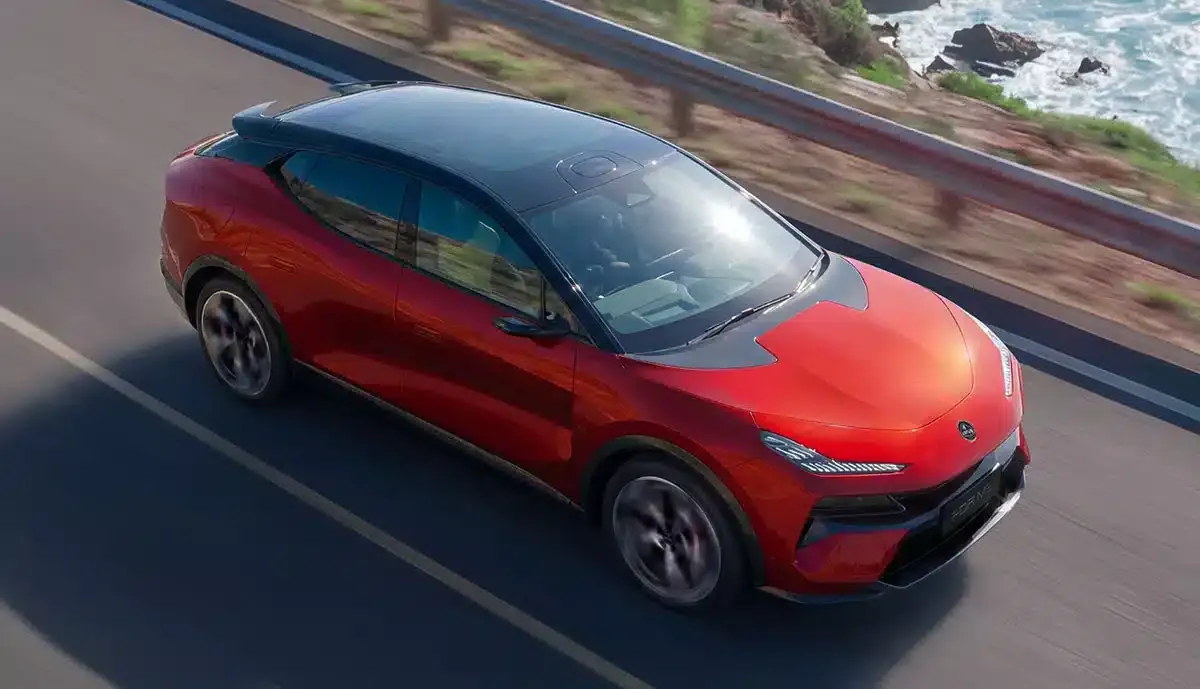
Image: Lotus
Lotus is currently considering taking on potential EU tariffs on plug-in hybrid vehicles (PHEVs) produced in China itself. This would allow the subsidiary of China’s Geely Group to avoid passing those costs on to customers.
The European Commission plans additional tariffs following a sharp rise in sales of Chinese PHEVs. After the EU imposed tariffs on fully battery-electric cars manufactured in the People’s Republic in November 2024, Chinese manufacturers responded by focusing more on PHEV models that are exempt from these duties.
Lotus has introduced a gasoline-electric version of its large SUV Eletre as part of a shift in its all-electric strategy. Deliveries of the PHEV Eletre X in China helped reduce the company’s losses for the quarter through June by 63 percent to $97 million compared to the previous year.
The Eletre X model combines a 2.0-liter turbocharged gasoline engine with a 70-kWh battery, achieving a system power output of 691 kW/952 horsepower. The range on electricity alone according to the WLTP cycle is 350 kilometers. First deliveries are expected in October or November.
Currently, electric vehicles manufactured in China under the Geely brand are subject to an EU tariff of 18.8 percent on top of the standard tariff rate of 10 percent. A potential tariff on PHEV models could undermine their competitiveness against European models. The EU justifies these punitive tariffs on electric vehicles by criticizing China for enabling unfair competition through heavy subsidies to its automakers.
Daxue Wang, Lotus’ finance director, told Automotive News Europe that the company might not raise the final price. Since the partially electric Eletre X has a significantly higher profit margin than its fully electric version, the company has more flexibility in adjusting prices.
Also interesting
About the author
Thomas Langenbucher is an expert in electromobility with professional experience in the automotive industry and finance sector. Since 2011, he has been covering electric vehicles, sustainable technologies, and mobility solutions for ecomento.de. Learn more.
Reader interactions
