
Waymo’s (Google’s) self-driving taxis arrive in Madrid and will soon start serving passengers
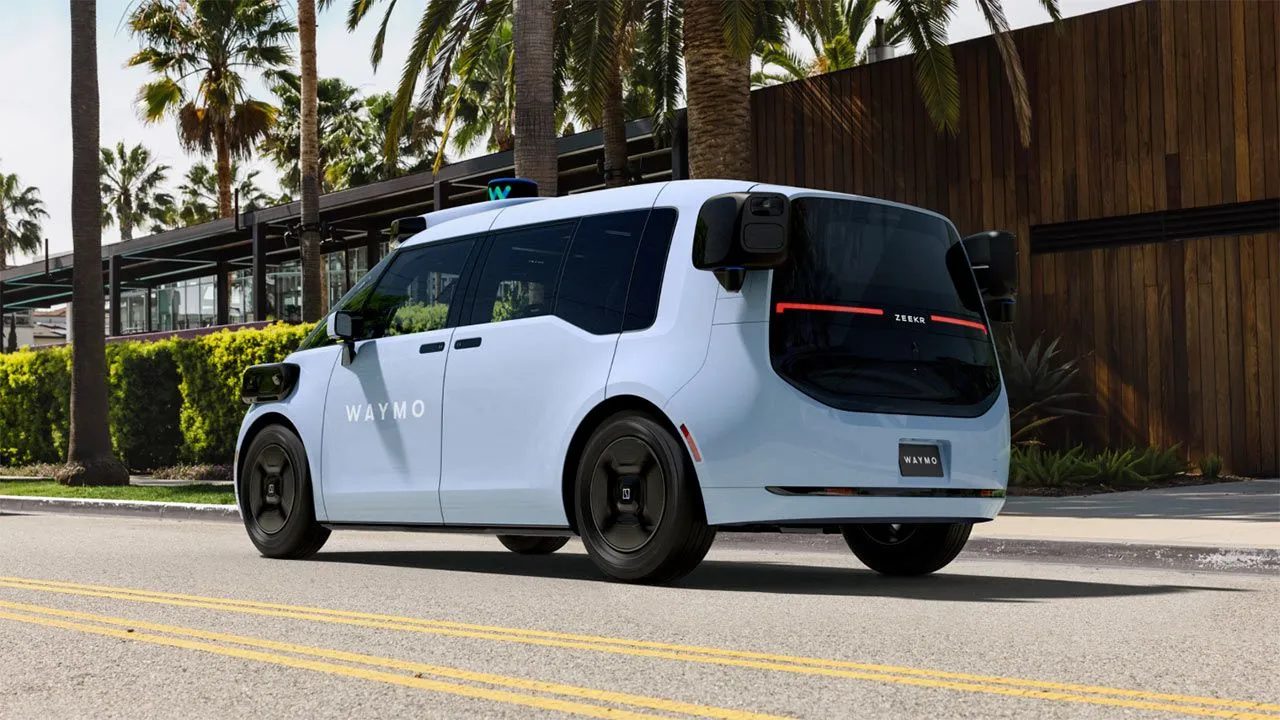
Waymo enters Spain. Google’s autonomous driving company has announced its arrival in our country, starting in the Community of Madrid. Although services won’t begin until 2027, the company’s Jaguar I-Paces will start circulating on Madrid’s roads in the coming weeks to carry out the necessary technical validations.
These tests will be conducted with specialists in autonomous vehicles behind the wheel. The goal is for Waymo’s system to adapt to local traffic patterns as well as the road conditions in the region. No specific date has been set yet for the launch of driverless rides.
"Madrid is an incredible hub for innovation and a vital part of our growing global presence. We are eager to serve the people of Madrid," said Waymo’s co-CEO, Tekedra Mawakana. "We are proud to bring Waymo to Spain, starting with the Community of Madrid. We share the region’s commitment to safer, more accessible, and zero-emission mobility, and we look forward to working together as partners to achieve these goals."
Ignacio Lijarcio, president of the Spanish Foundation for Road Safety, states that “technology fulfills its true purpose when it serves people. At FESVIAL, we believe autonomous driving represents a great opportunity to turn innovation into an ally of human capability and road safety, helping to prevent mistakes, anticipate risks, and save lives. The arrival of new autonomous mobility solutions in Spain should allow us to move forward, with rigor and confidence, toward a mobility model that is increasingly safe, accessible, and people-centered.”
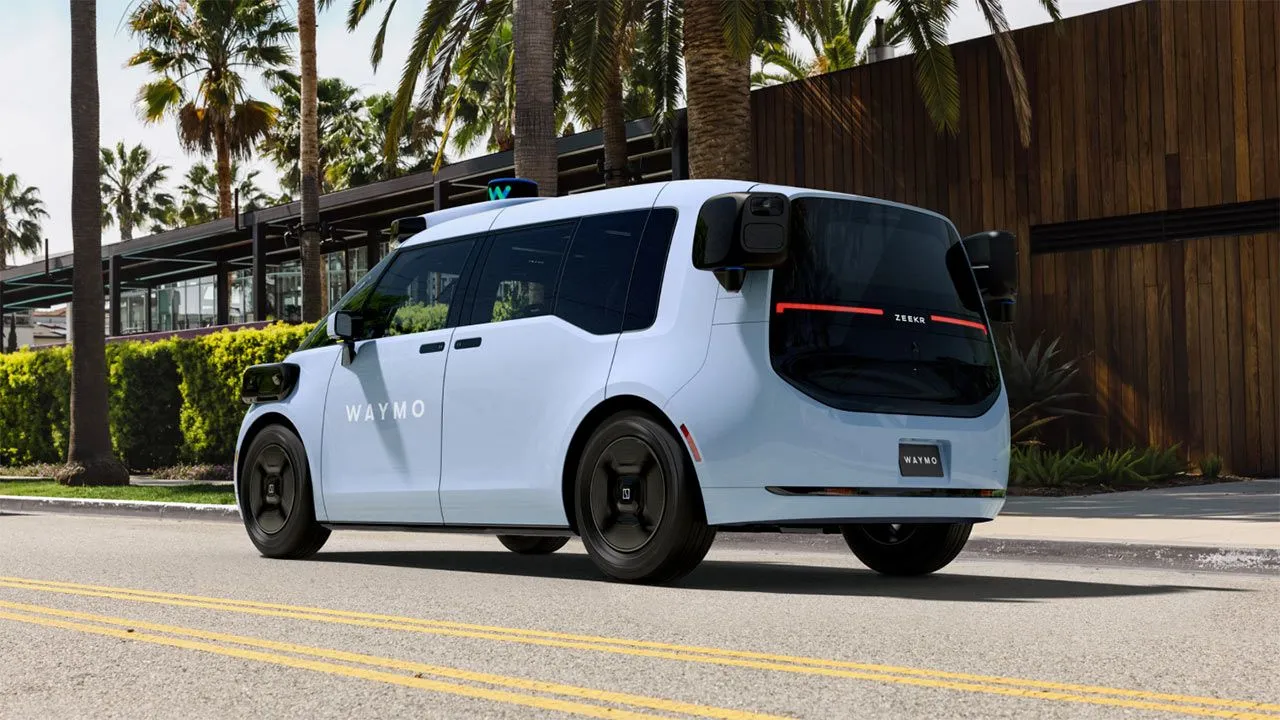
Waymo claims its autonomous system is safer than a human driver
Waymo is working with national, regional, and local authorities; it has also committed to helping emergency services become familiar with its technology as part of the preparation process ahead of launching its service.
"Autonomous vehicles represent a crucial advancement in reducing traffic fatalities by eliminating human error, which is behind over 90% of road accidents. Their technology eliminates the main risks associated with driving: distractions, fatigue, alcohol and drug use, speeding, or failing to maintain a safe distance," explains Mar Cogollos, director of the Spanish Association for the Study of Spinal Cord Injuries. "For AESLEME, the priority is to achieve safe mobility where no one loses their life or suffers serious injuries in an avoidable traffic accident."
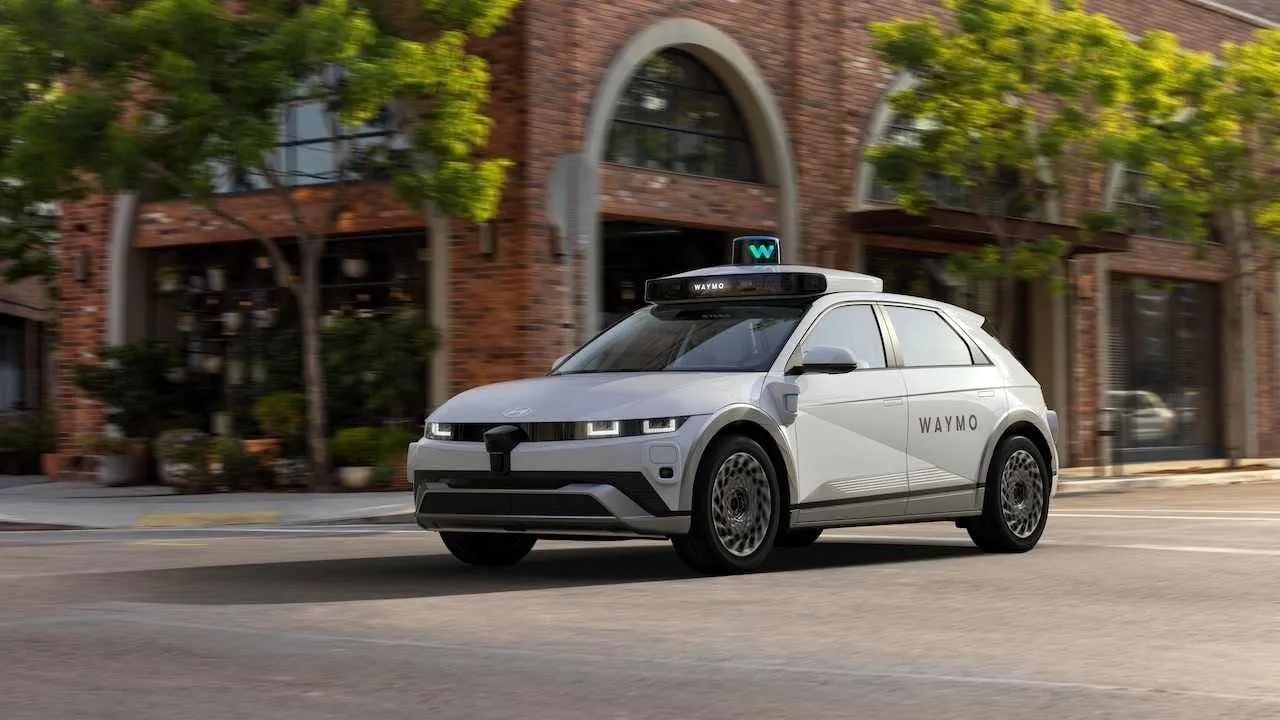
After traveling over 400 million kilometers autonomously, data shows that the Waymo Driver system records 95% fewer accidents resulting in serious injuries or fatalities compared to human drivers. This translates to an accident rate that is 20 times lower. It also experiences 93% fewer collisions with pedestrians resulting in injuries and 86% fewer collisions with cyclists resulting in injuries.
Source | Waymo