
Tesla's autonomous taxis cannot operate at night due to Elon Musk's refusal to use radar or LiDAR.
Tesla’s robotaxi service does not operate at night. Previously, the service in Austin ended at 10:00 PM; however, it has recently been extended to 11:00 PM. This limitation is due to the difficulties faced by the camera-based vehicle detection system in identifying certain objects or animals in darkness.
In low-light and low-contrast conditions, Tesla’s autonomous driving system does not provide reliable performance, unlike competing vehicles equipped with redundant sensors (radar, LiDAR, etc.), which are not affected by the lack of light. Elon Musk, Tesla’s CEO, has explained why their robotaxis do not operate at night.
"What we’re trying to do [...] is make sure we don’t run over pets when they’re hard to see at night. Literally, we’re trying to avoid hitting gray kittens on gray asphalt in the dark." Tesla’s refusal to use radars or LiDARs stems from both cost and scalability concerns.
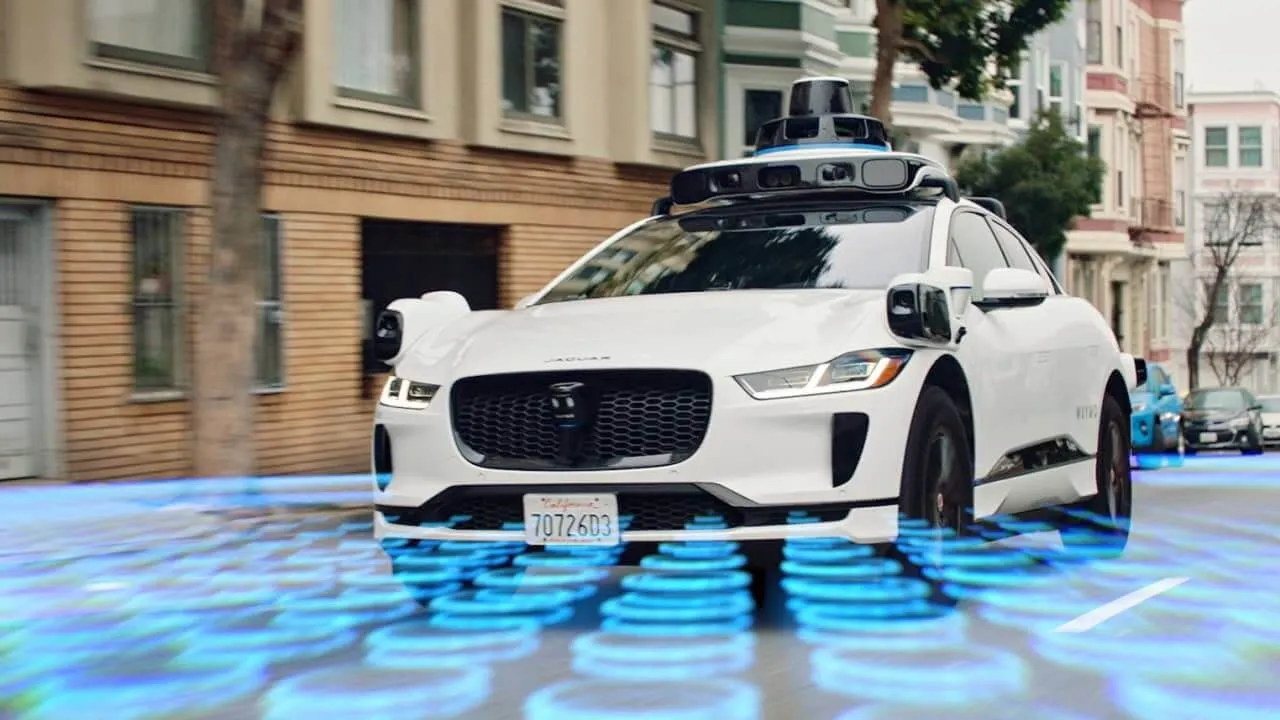
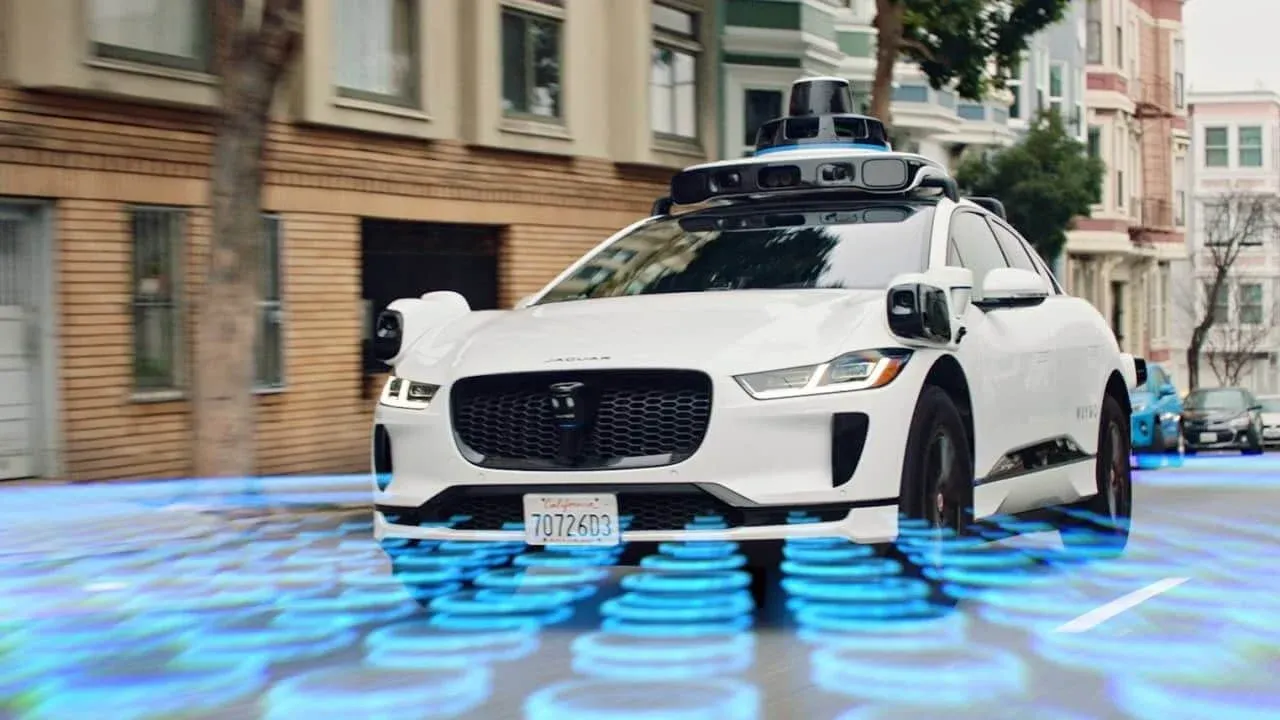
For comparison, Google’s autonomous driving company Waymo’s vehicles operate around the clock. Waymo’s sixth-generation system features thirteen cameras, four LiDARs, and six radars. Tesla, on the other hand, removed radar in 2021, stopped using ultrasonic sensors in 2022, and has never used LiDARs, which Musk considers "a waste of time." The executive said a few years ago that "anyone who relies on LiDAR is doomed to fail."
Tesla’s FSD system under investigation
This is not the only limitation of Tesla’s robotaxi service, which is currently restricted to low-speed urban areas: the vehicles cannot travel on highways, highlighting the shortcomings of a technology that, although marketed by the company and its CEO as fully autonomous, is actually far behind its competitors.
Currently, the NHTSA is investigating whether the FSD system provides safe operation in low-visibility conditions such as fog and glare following several incidents. Although Tesla’s robotaxis have remote operators to prevent accidents, they currently have a much higher accident rate than human drivers.
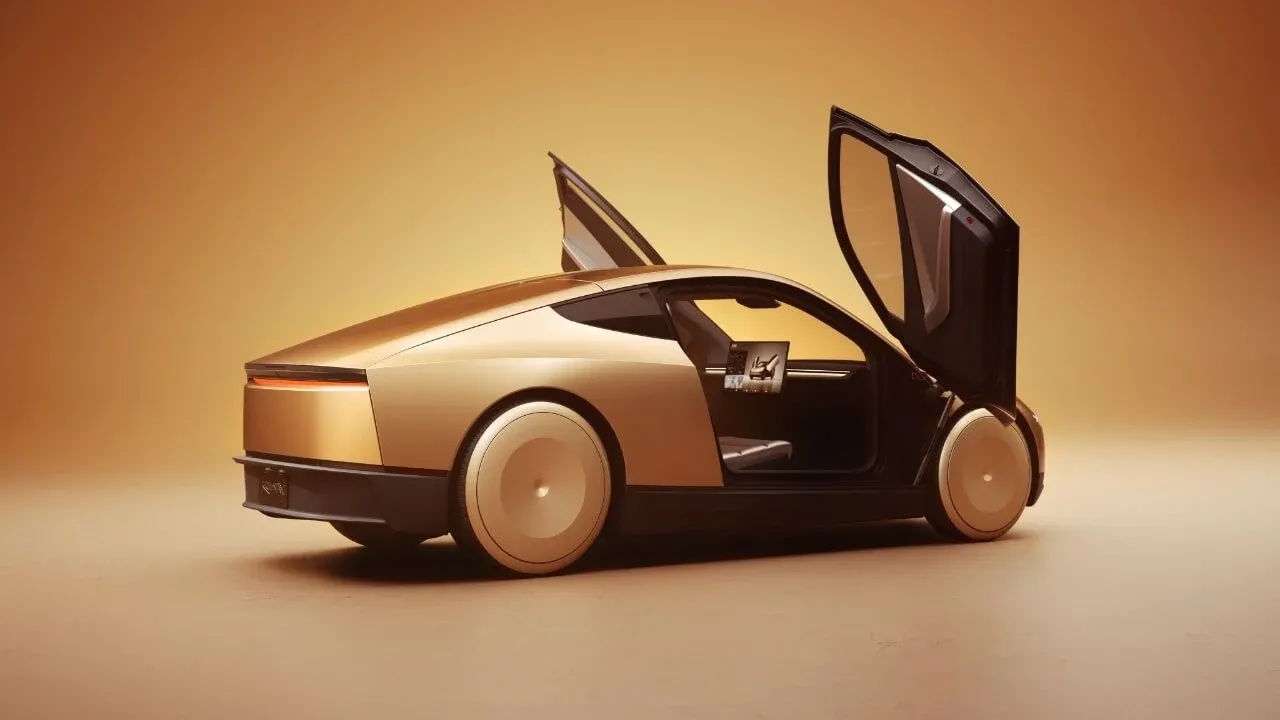
Musk recently stated that "we need to collect specific driving data for the Cybercab before we can put them into widespread use." As a result, the initial deployment of the new model will be slow. Does a two-seater autonomous taxi without radars and LiDARs have a future? Only time will tell.
Source | Electrek
