
SMR nuclear reactors promised a revolution, but reality is starting to look very different.
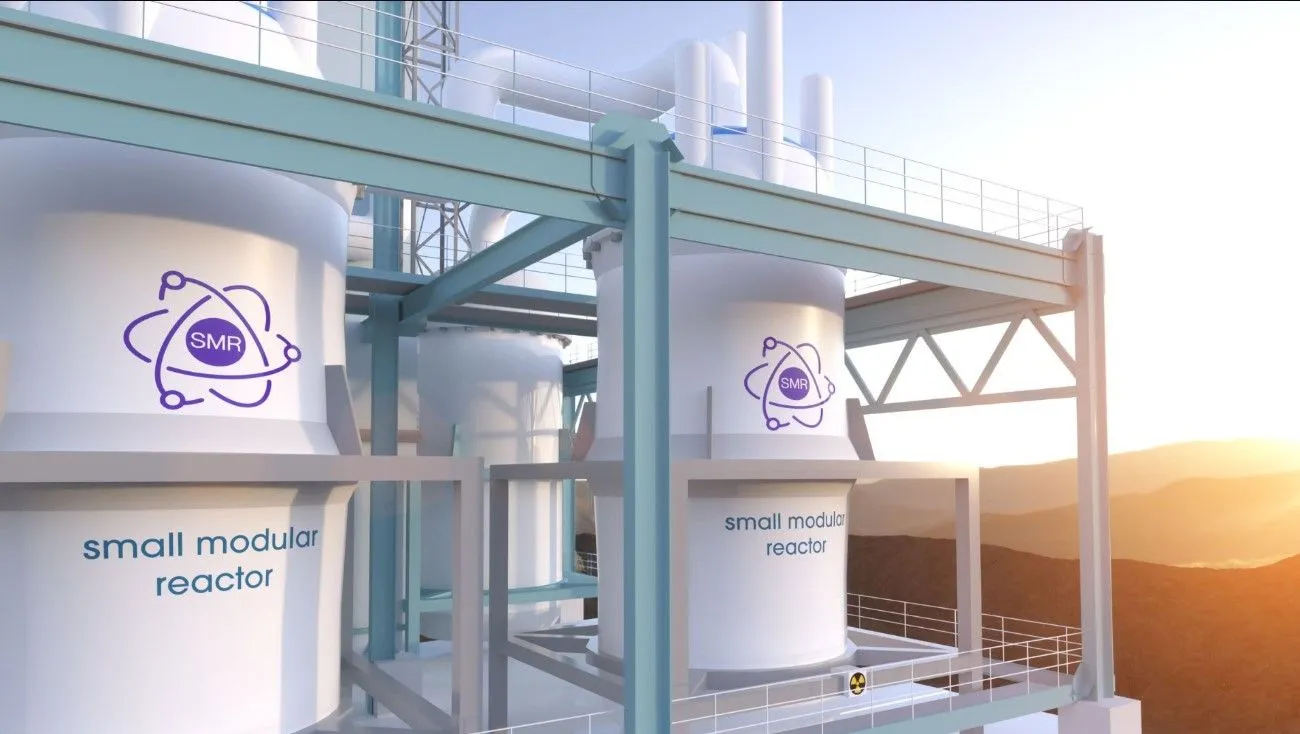
Nuclear energy is making headlines once again, with an increasing number of governments discussing new power plants, next-generation reactors, and small modular reactors as one of the ways to ensure electricity supply in the coming decades. In theory, these latter types promise smaller installations, simpler construction, and the ability to manufacture much of their components in a modular fashion.
However, when looking at what is actually happening on the ground, the picture turns out to be far less impressive. The new World Nuclear Industry Status Report 2026 shows that modular reactors are still a long way from playing the leading role in deployment as announced, while other energy technologies are increasing their output at a much faster pace.
The most advanced case among Western countries is found in Canada, where Ontario Power Generation is building the first commercial small modular reactor connected to the G7 grid. It is the BWRX-300 from GE Vernova and Hitachi, as part of the Darlington nuclear project. Construction of the first unit is already underway, with the goal of bringing it online before the end of this decade.
But it is precisely this project that helps illustrate the problem. The development of SMRs is progressing, though much more slowly than the enthusiasm surrounding this technology suggested. Meanwhile, solar power generation is growing at a rate that surpasses nuclear in several of the most important indicators.
SMRs are getting larger and losing some of their advantages
Energy economist Stephen Thomas, emeritus professor at the University of Greenwich and contributor to WNISR, has analyzed the situation of small modular reactors and notes that while there are some projects in development, there is no widespread commercial deployment. As of mid-2026, there were 411 nuclear reactors in operation worldwide and 73 under construction, but that does not mean there is a corresponding expansion of SMRs.
One of the original promises of SMRs was precisely their small size. When the concept first gained popularity, reactors with capacities between 30 and 300 MW were commonly discussed. The problem is that many of the designs currently aiming to secure commercial orders already exceed 300 MW, approaching the size of other large power generation facilities.
That significantly changes things. If a reactor is no longer truly small, it also loses some of the advantages it was supposed to have in terms of manufacturing, transportation, installation, and construction. Additionally, it still requires complex infrastructure and regulatory requirements typical of nuclear facilities.
The cost is another major question. The industry has been arguing for years that manufacturing smaller reactors and repeating designs could reduce costs through economies of scale. For this theory to work, however, it requires exactly what still does not exist on a large scale: repetitive production of many identical reactors.
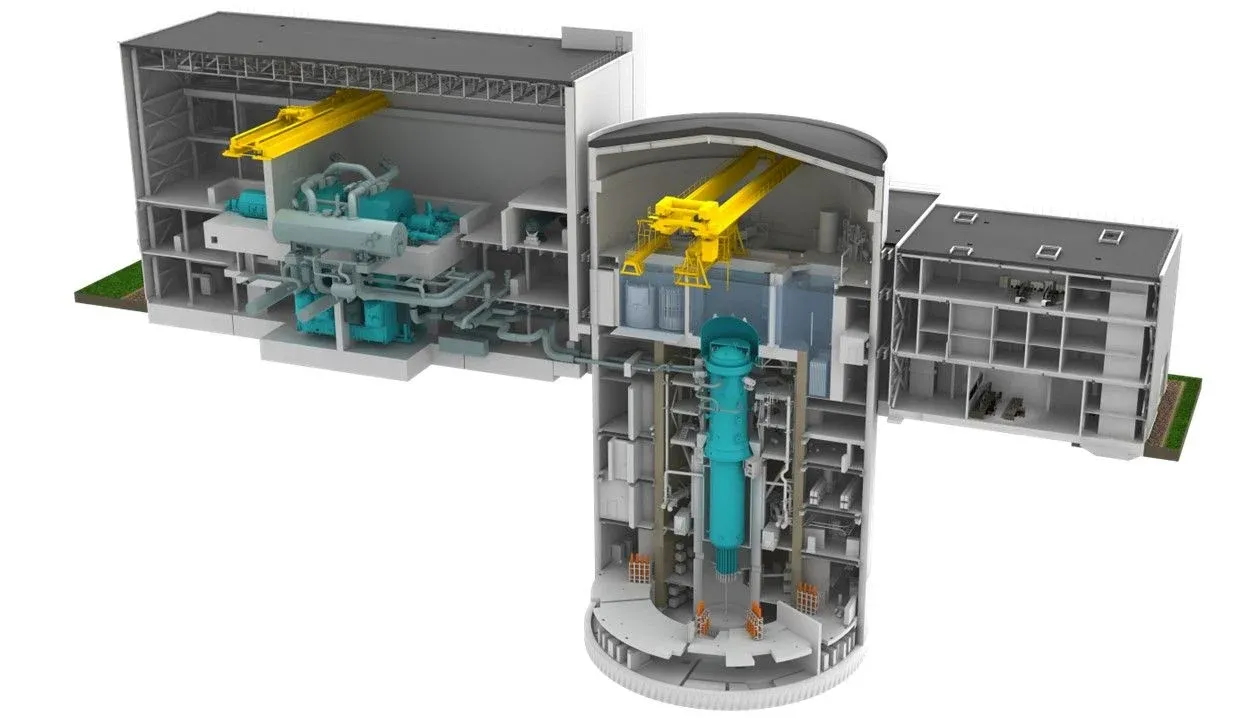
There has also been advocacy for greater inherent safety and the ability to locate these plants in areas where a conventional reactor would be too large. But the reality is that SMRs still require significant preparatory work and large auxiliary facilities. Moreover, as their size increases, it becomes harder to maintain the idea that they can be placed practically anywhere.
Another controversial issue is waste. The WNISR 2026 reports research indicating that some SMR designs could produce more radioactive waste per unit of electricity generated than current large reactors. This does not mean that all designs will necessarily behave the same way, but it does call into question another advantage once associated with this technology.
Darlington’s project is, in any case, a significant exception given the lack of commercial deployments in the West. Ontario Power Generation has already begun construction on the first BWRX-300, and by 2026 it completed key tasks such as installing the massive reactor building foundation, located 35 meters underground. The first unit will have a capacity of 300 MW and is expected to power around 300,000 homes.
Ontario’s plan calls for four BWRX-300 units, which together will reach 1,200 MW. The first unit is scheduled to be connected to the grid by the end of 2030, though the corresponding construction, commissioning, and regulatory approval phases still need to be completed.
The problem for the nuclear industry is that it needs time to prove these reactors can be built and deployed at the promised costs and timelines. And that time works in favor of other technologies that are already growing rapidly.
The future will be renewable, or it won’t be
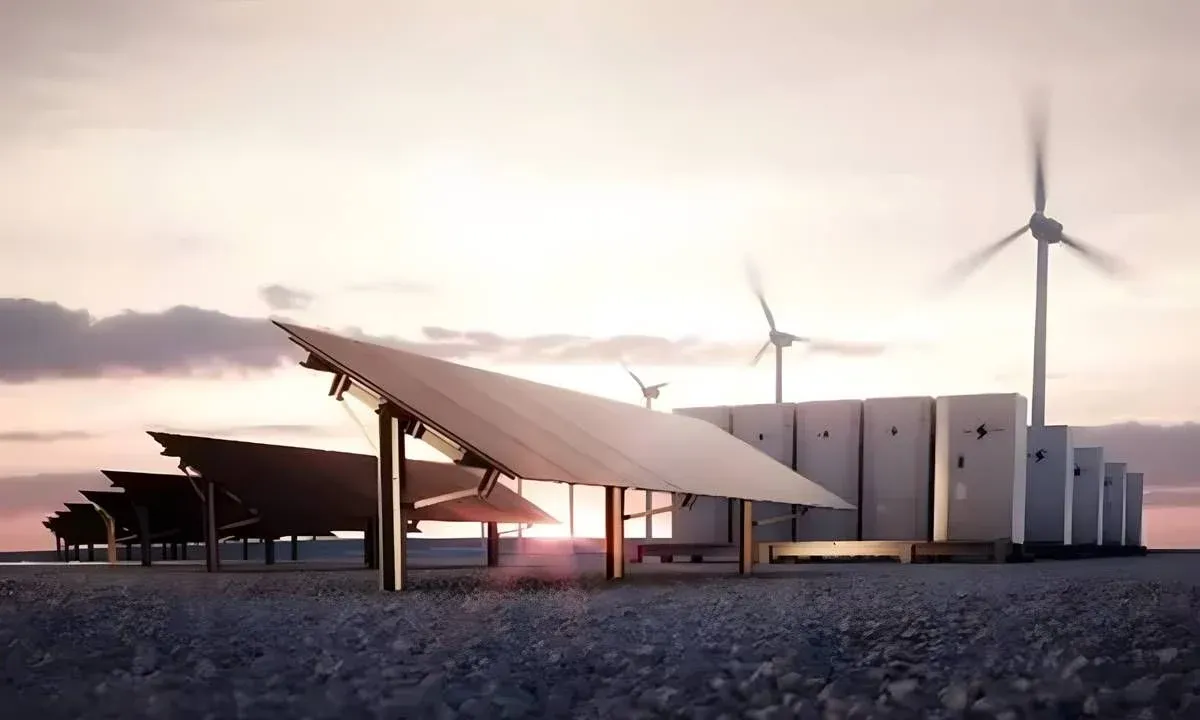
In 2025, a particularly significant change occurred. Solar energy generated more electricity worldwide for the first time than nuclear energy, according to data from WNISR 2026. Nuclear power production reached a record of 2,703 TWh, but grew by only 1.1% compared to 2024, while solar generation increased by about 30%
.The difference becomes even more striking when looking at recent trends. Nuclear power growth in 2025 was driven primarily by China, where generation increased by 7.6%. Outside of China, nuclear production declined by 0.2%. In contrast, solar power achieved much faster growth on a global scale.
The result is that nuclear power now accounts for 8.8% of global electricity generation, the lowest level in about 45 years. It reached 17.5% in 1996. In other words, although absolute nuclear power generation has hit a new high, its relative share within the global electricity system continues to decline.
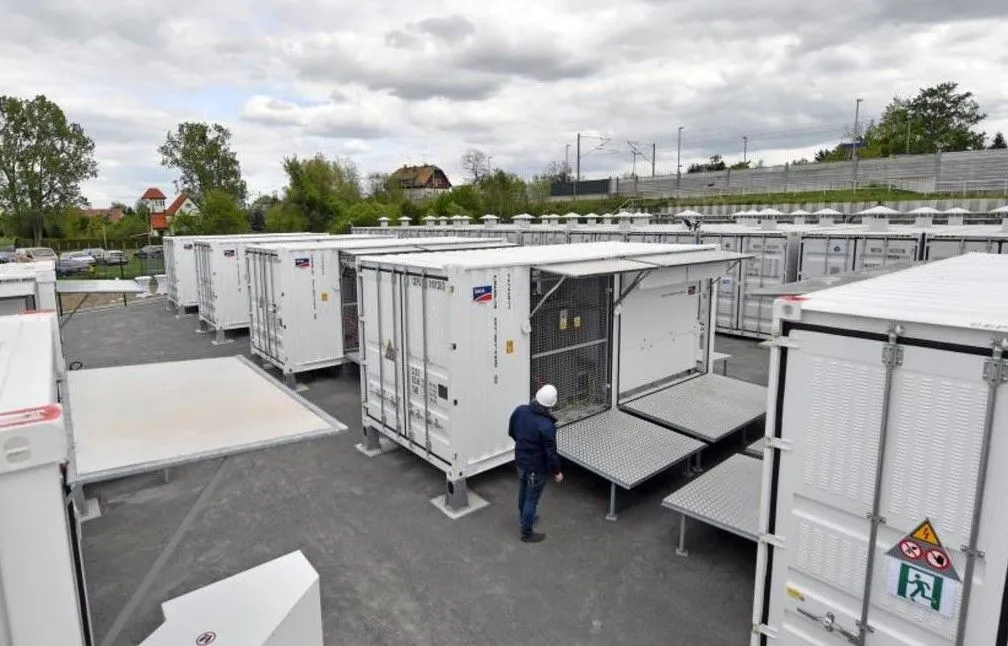
And it’s not just solar energy. The combination of solar and wind power already generates more than double the electricity of nuclear power on a global scale, while battery storage is growing rapidly and beginning to change the way electricity grids dominated by renewable sources are managed.
This also explains why some traditional arguments in favor of nuclear power are changing. One of its major advantages is that it can produce electricity continuously and stably, regardless of weather conditions. But the combination of solar, wind generation, and storage allows for covering more and more hours of demand with infrastructure that can be installed much faster.
This situation does not mean that nuclear energy will disappear. In fact, the number of reactors under construction has increased, reaching 73 units by mid-2026, up from 65 a year earlier. The issue lies in where they are being built: 37 of these 73 reactors are in China, while Russia also holds a prominent position both within and outside its borders.
In addition, during 2025, four reactors were connected to the power grids and seven were shut down. This meant that for the first time since 2021, there was an annual negative balance in the number of reactors. The total capacity may increase because new reactors are usually larger than those that are retired, but the figure shows that the growth of the fleet is not uniform.
The price of fossil fuels also plays an important role. Countries such as Italy, Sweden, and Belgium are reconsidering nuclear energy as a way to reduce their dependence on oil and gas and ensure stable power generation in the coming decades.
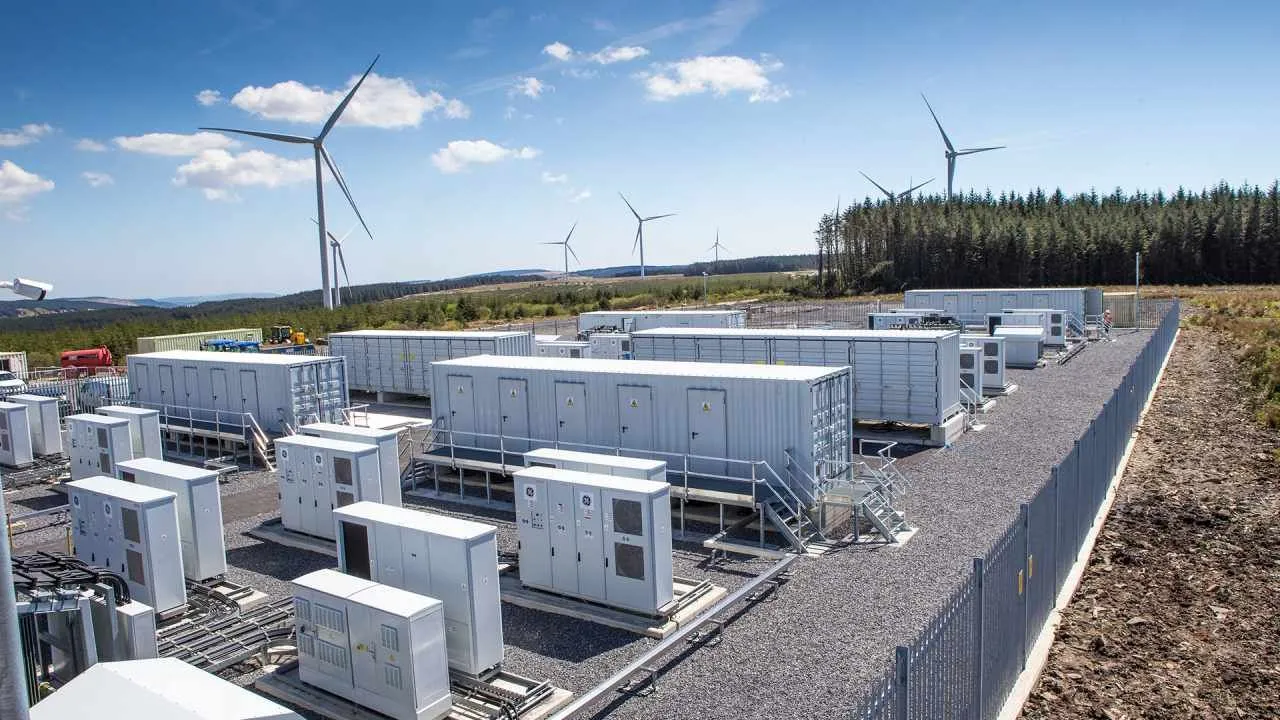
But the emergence of increasingly affordable storage systems introduces a factor that had much less significance just a few years ago. Batteries can be combined with large solar or wind installations, allowing some of the electricity generated during peak production hours to be used later, thereby reducing the need to rely on conventional power plants to meet certain demand spikes.
In Canada, the development of SMRs itself shows that the initially proposed applications are difficult to realize. Three main uses had been identified: generating electricity for the grid, supplying power and heat to heavy industry, and providing services to remote communities. However, according to Stephen Thomas’ analysis cited by WNISR, the option that is truly making progress is primarily grid connection.
In Saskatchewan, there have even been renewed discussions about using larger nuclear reactors, while New Brunswick appears to have lost momentum on its SMR-related plans. For now, Darlington remains the western project that has most clearly moved from announcements to actual construction.
The overall figures help put this in context. In 2025, global nuclear power generation reached 2,703 TWh, an increase of 1.1% from the previous year, with China being the main driver of this growth. Nuclear power accounted for 8.8% of global electricity production, down from 17.5% in 1996.
By mid-2026, there were 411 operating reactors, with another 73 under construction. Of these latter ones, 37 were located in China. Russia was involved in 29 construction projects, 22 of which were outside its territory, highlighting how concentrated current nuclear development is in a few countries.
The age of the fleet also doesn’t help. The global average is around 33 years, with approximately two-thirds of reactors being 31 years old or older. In the United States, which has one of the largest nuclear fleets in the world, the average age is close to 45 years.
The conclusion from these data is not that nuclear energy is disappearing, but rather that its growth is much slower than that of renewable technologies. SMRs may eventually find their place, but they still need to prove that the promises of lower costs, faster construction, and modular manufacturing can be translated from pilot designs and projects into an industry capable of producing them in large quantities.
In the meantime, solar energy is not waiting. In 2025 it added about 600 TWh of generation, bringing the global total to nearly 2,700 TWh, thereby surpassing nuclear power for the first time in terms of electricity produced.
And that is likely the main challenge for SMRs: they are not only competing against large conventional nuclear power plants. They are also competing with technologies that are reducing costs, increasing output, and expanding at a pace that the nuclear industry has yet to match.
