
The new electric trains of Cercanías Madrid have taken less than 2 weeks to go to the workshop, and Renfe says this is normal.
18/09/2026 11:30
Updated to
18/09/2026 11:30
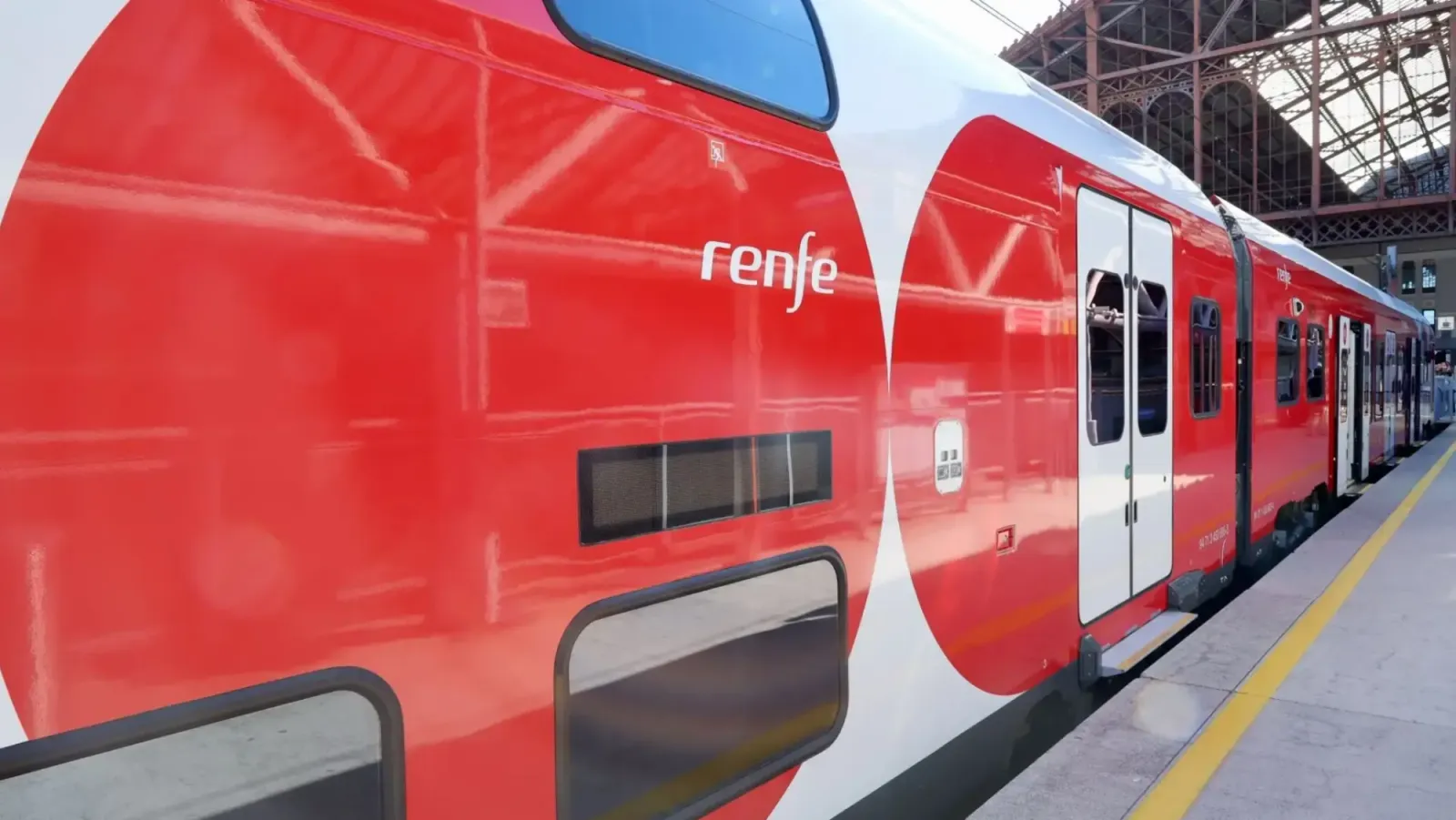
After a long period of technical and administrative delays, the introduction of new electric trains for Cercanías in Madrid promised significant improvements in transportation capacity, energy efficiency, and service quality across the network. However, the withdrawal of several trains just 10 days after they began operating has caused uncertainty and debate among users.
The new Stadler units were announced as the ultimate solution to the problems plaguing Madrid’s rail network, which has long suffered from delays and severe congestion. The plan was to put them into operation on the line connecting Aranjuez with Móstoles and gradually expand their routes, but some safety concerns have completely halted these plans. Faced with this situation, Renfe defends itself by claiming that such issues are common when new models are introduced.
The challenges of putting them into service
In high-density rail transportation engineering, the commissioning of a new electric train does not end with the formal delivery by the manufacturer. During the first weeks of commercial operation, the vehicles run under actual passenger load conditions, facing the constant demands of the infrastructure, voltage fluctuations in the catenary, and the demanding frequency of stops typical of a network like Cercanías Madrid.
It is within this actual operational context that minor electronic, software, or secondary mechanical component issues arise, which do not manifest during vacuum tests. A train entering the workshop in its early days does not necessarily indicate a serious malfunction or structural flaw in the design. In most cases, it results from preventive inspections and adjustments to technical parameters aimed at ensuring system safety and optimizing the future availability of the rolling stock.
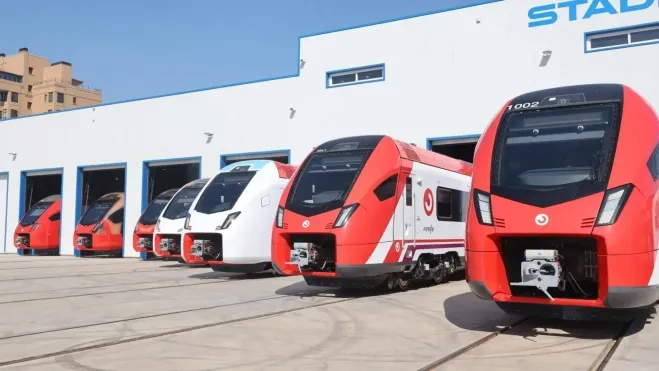
In the case of the new Madrid trains, a malfunction in one of the units resulted in it having only half the braking capacity, posing a risk in emergency situations. Communication failures between carriages were also detected, which led to the decision to withdraw 3 units for in-depth analysis of these and other issues.
Renfe’s stance and the demands of Madrid’s railway network
Renfe claims that inspections of these electric trains’ workshops are part of the normal operational routine for any newly introduced fleet. The warranty and technical adjustment period agreed with the manufacturers includes such initial interventions as a standard part of the vehicle’s lifecycle. The priority is to address any initial abnormalities before the fleet reaches its maximum operational capacity.
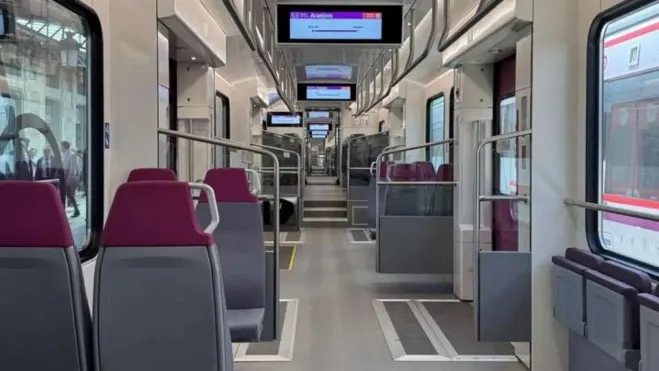
Madrid’s Cercanías network is renowned as one of Europe’s most complex and heavily used transportation infrastructures. The coexistence of various signaling systems, heavy rail traffic, and the need to maintain frequent services require trains to operate at extremely high reliability standards. Therefore, the technical adjustment phase is essential to solidify the transition toward a cleaner, more efficient rail transportation system better suited to today’s metropolitan transport challenges.
Technological innovation and the design of the new Cercanías trains
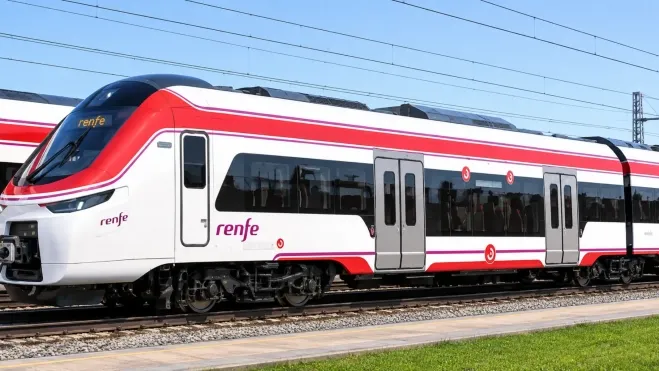
The new units allocated to Madrid’s network represent a qualitative leap compared to older series, such as the veteran 446 and 447 models or the Civia units. These new trains feature next-generation traction architectures, advanced energy management systems with regenerative braking, and greater integration of digital components for real-time monitoring.
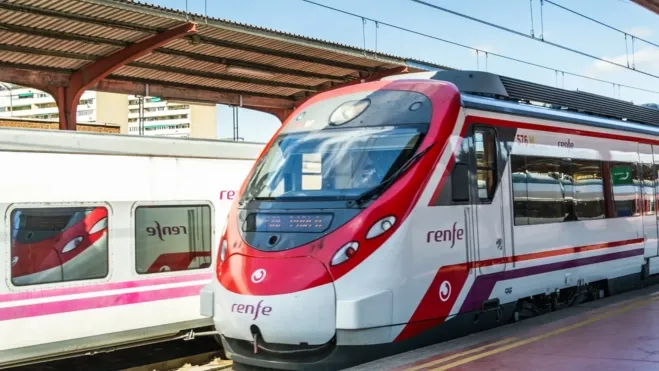
The high presence of power electronics and telemetry sensors makes the vehicle’s own self-diagnosis systems highly sensitive. Any reading outside the tolerance ranges set by railway safety regulations triggers automatic alerts. These alerts require that the unit be taken to maintenance facilities for inspection by engineers, ensuring that the continuity and safety of the line are not compromised.