
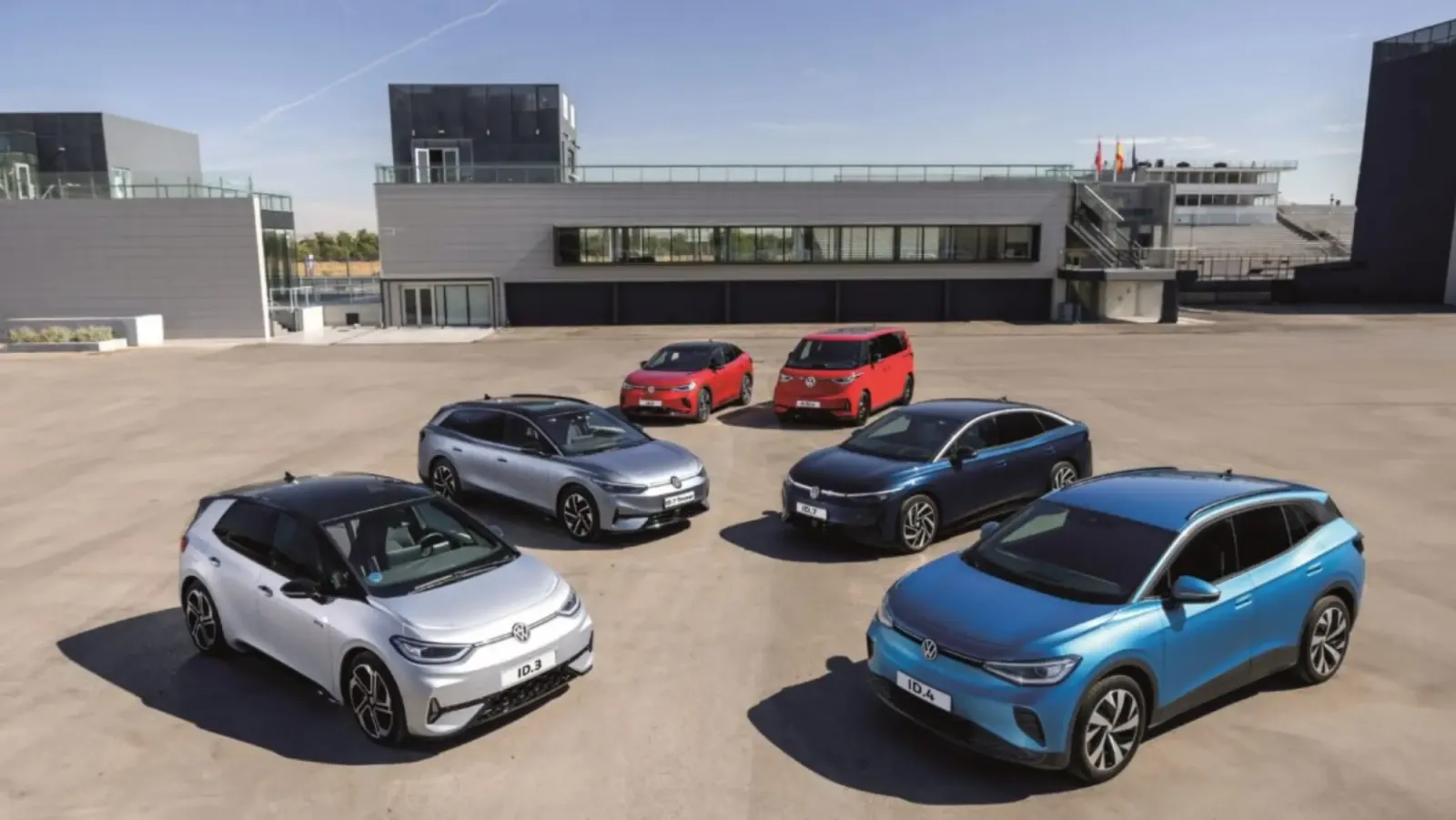
Volkswagen’s new electric cars are so popular that the brand is making an unexpected decision at several of its factories.
24/09/2026 13:00
Updated to
24/09/2026 13:00
For years, the transition toward electrification has progressed with periods of uncertainty and uneven adoption rates depending on the market. However, in Volkswagen’s home market of Germany and various European countries, a very significant shift in trend is underway: the group’s 100% electric vehicles are in such high demand that they have surpassed those with internal combustion engines.
Faced with adoption figures that exceed initial projections, the German manufacturer’s management has begun reorganizing operations at its main production plants.
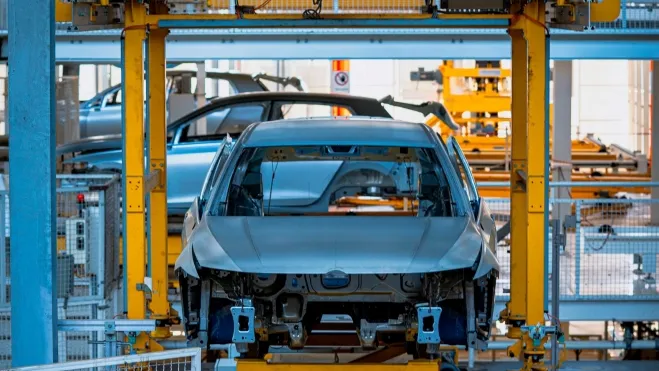
Cancellation of shifts for diesel vehicles and increased workloads on gasoline vehicle lines
The most direct consequence of this shift in drivers’ preferences is evident at the historic Wolfsburg factory, the company’s industrial hub. At this facility, which assembles best-selling models like the Golf and Tiguan, management has decided to cancel the extra shifts planned to boost diesel vehicle production. The reduced demand for gasoline and diesel vehicles no longer justifies such an increased production pace.
At the other end of the spectrum are the plants specialized in the brand’s electric vehicle manufacturing. Production sites such as Zwickau and Emden are adjusting their operations to add at least two additional shifts. The factory in Zwickau, which just a couple of years ago was cutting shifts due to low demand for electric models, is now benefiting from increased orders for the updated ID.3 Neo, while in Emden efforts are underway to speed up delivery of larger sedans like the ID.7.
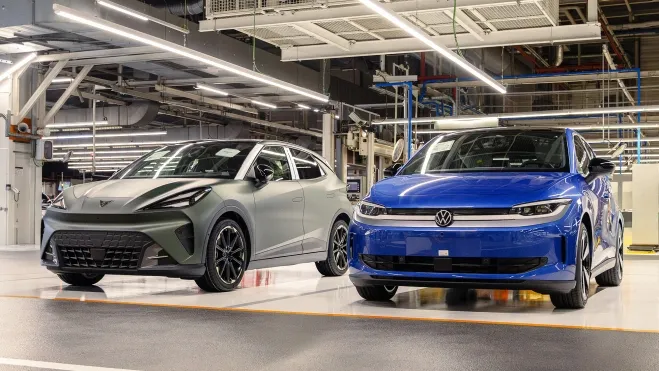
This reallocation of tasks stems from the logical need to adjust installed capacity to meet actual demand, which requires fewer cylinders and more traction batteries.
The push for electric vehicles and Martorell’s key role
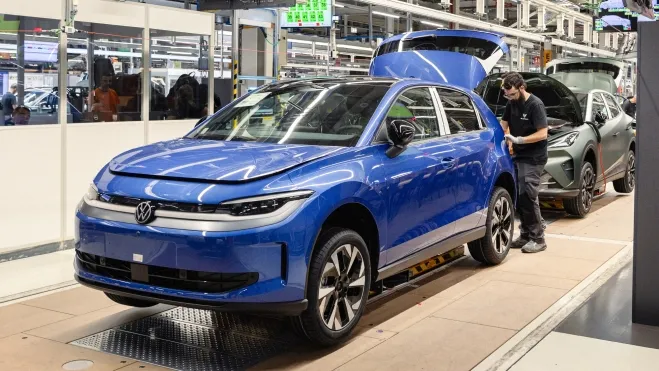
The main driver behind this unexpected decision is the arrival of a new range of affordable electric cars. Models such as the Volkswagen ID. Polo have marked a milestone in the company’s business strategy. With an starting price of around 24,995 euros for its entry-level version equipped with a 37 kWh battery and an approved range of up to 334 kilometers on the WLTP cycle, this model has attracted tens of thousands of reservations across the continent, exceeding expectations and immediate delivery capacity to the point of having a long waiting list.
This strong demand translates directly to the Martorell plant, a strategic location where the ID. Polo is assembled along with other Volkswagen Group models that use the same platform, such as the Cupra Raval and the Skoda Epiq. The need to supply a market seeking affordable electric vehicles has led to plans to increase production at the Catalan factory to meet the accumulated order volume.
This dynamic is further amplified by the recent launch of order bookings for SUV models such as the ID. Cross, designed as a zero-emission alternative to the traditional T-Cross, with its initial reception confirming that demand is primarily concentrated in more affordable price segments.
Industrial restructuring in a highly competitive global environment
The reallocation of shifts between internal combustion and electric plants highlights the structural challenges facing the European industry. While growing demand for electric vehicles is a positive sign for the company’s strategy, manufacturing an electric car requires significantly fewer mechanical components and labor hours compared to a traditional combustion engine vehicle.
This development coincides with the implementation of long-term efficiency plans within the group, aimed at optimizing operational costs, reducing product line complexity, and addressing competitive pressure from Asian manufacturers in the zero-emission vehicle segment.
The shift from combustion engines to electric vehicles confirms that when technical capabilities and selling prices align with actual consumer needs, the transition to electric mobility not only accelerates but also forces a redefinition of industrial production patterns within months.