
Europe’s major manufacturers already have their electric trucks ready, but they warn: “Europe is three years behind.”
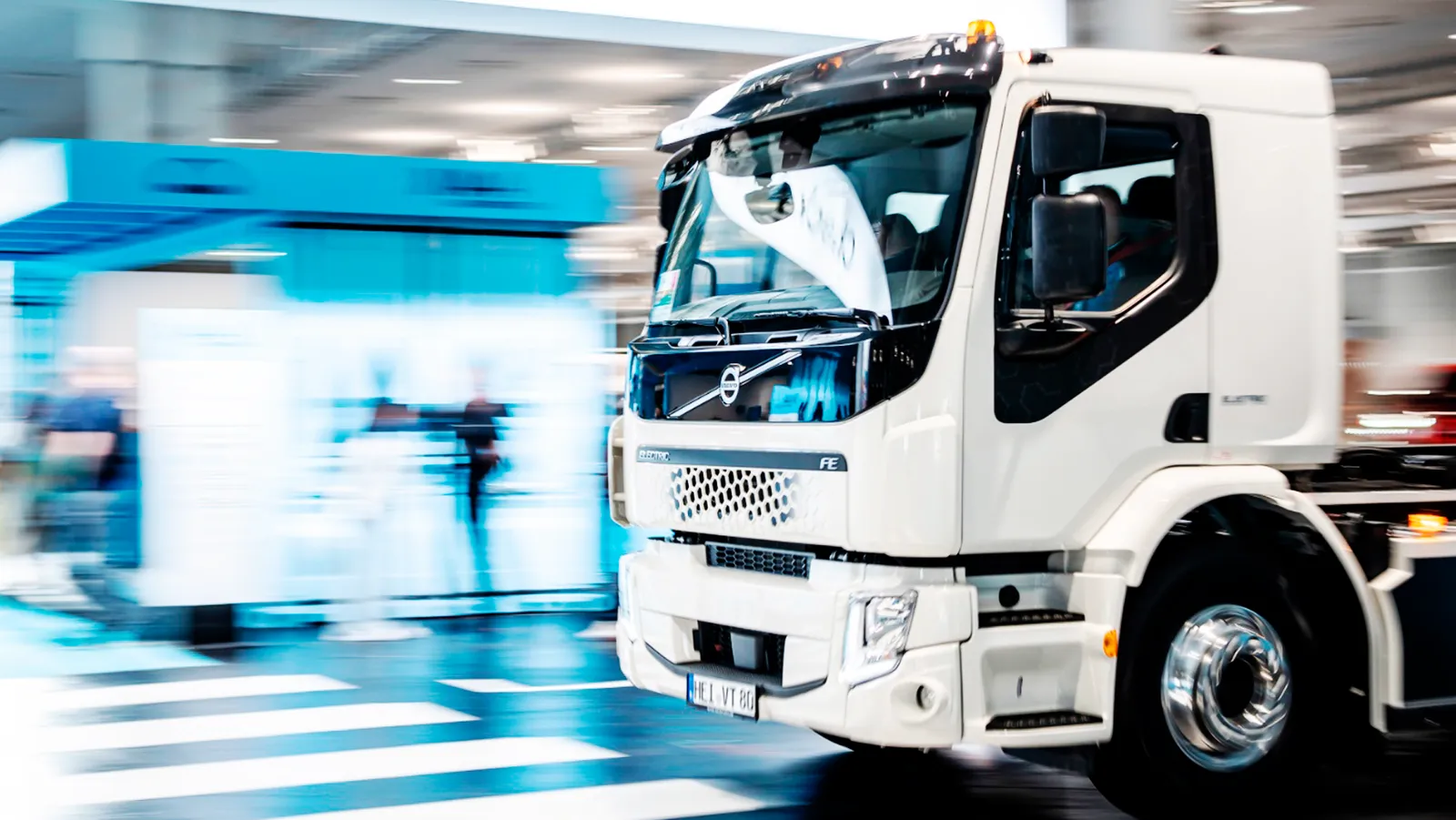
Europe’s major truck manufacturers claim to be ready to electrify heavy transport, but they warn that Europe is not. Top executives from DAF Trucks, Daimler Truck, Ford Otosan, Iveco, MAN, Scania, and Volvo came together to issue an unusual warning: zero-emission trucks already exist, can be purchased, and the supply continues to grow, but the conditions needed for transportation companies to adopt them on a large scale are progressing much more slowly.
The industry’s conclusion is particularly stark. The charging infrastructure, connections to the power grid, and economic conditions necessary to deploy these vehicles are all at least three years behind schedule. The data helps illustrate the scale of the problem: there are currently fewer than 2,000 public chargers suitable for trucks across Europe, whereas at least 700 new charging points need to be installed each month to keep up.
Electric trucks exist: there are already over 60 models
The manufacturers' argument is that vehicle technology is no longer the main bottleneck. The European market already has over 60 different models of zero-emission trucks, capable of handling everything from urban delivery and regional transport to certain long-distance operations. In addition, there are more than 25 models of zero-emission buses available currently.
Daimler Truck, Volvo, Renault Trucks, MAN, Scania, Iveco, and DAF already have heavy-duty electric vehicles and continue to expand their respective ranges. The problem arises when a transportation company tries to incorporate these trucks into its daily operations, especially on long-distance routes where energy demands are much higher than those of an electric passenger vehicle.

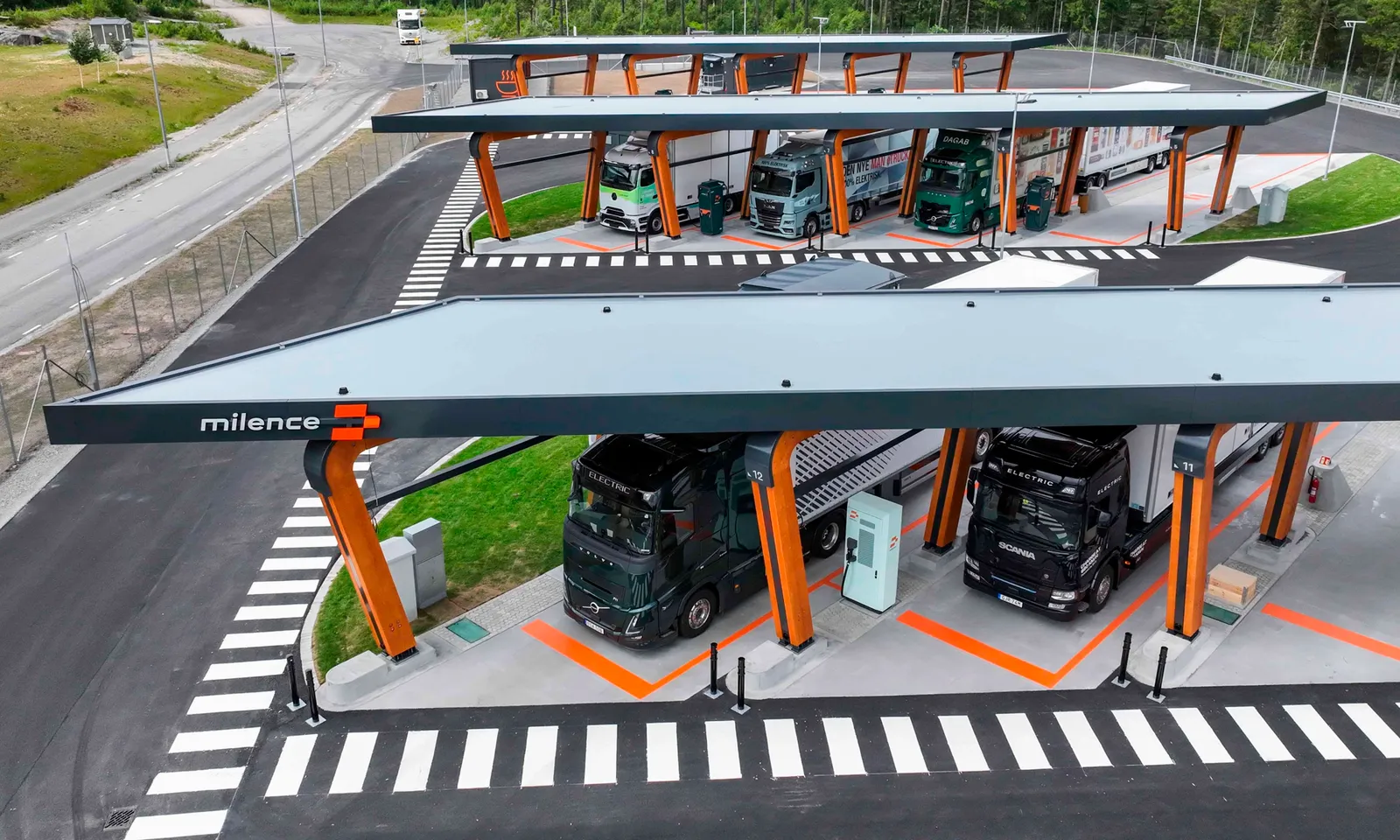
A heavy truck requires high-power chargers and strategically located stations along major routes and logistics corridors. It also needs such infrastructure at company bases, along with electrical connections capable of handling extremely high power demands. And it is precisely in this regard that manufacturers believe Europe is falling behind.
Less than 2,000 truck chargers across Europe
Europe currently has fewer than 2,000 public chargers specifically suitable for heavy vehicles, a very low number considering the volume of transportation that needs to be electrified in the coming years. According to industry estimates, at least 700 new truck chargers would need to be added each month to keep up with the expected market growth.
But physically installing a charger is only part of the problem. Large stations for electric trucks require grid connections capable of supplying enormous amounts of power, and according to manufacturers, obtaining such connections can take several years in certain locations.

This means there may be a company willing to invest, an operator interested in building a station, and even electric trucks capable of using it, but there may not be enough electrical capacity in the area to make it operational. For manufacturers, this gap between the pace at which vehicles are developed and the pace at which infrastructure is deployed is one of the main obstacles to accelerating sales.
Only 2.4% of new trucks are zero-emission
This lag is already reflected in vehicle registrations. Currently, only 2.4% of new heavy trucks sold in Europe are zero-emission vehicles, a figure that remains very low compared to the targets set for the end of this decade.
The differences between countries are also significant. In Germany, zero-emission trucks account for approximately 4.3% of registered vehicles, while in France it’s around 2.4%. In major road transport markets such as Spain, Italy, or Poland, they remain below 1%.
The problem is that Europe’s emission targets are indeed progressing according to the planned schedule. Regulations require a gradual reduction in the average CO2 emissions of new heavy vehicles, with a major leap targeted for 2030 — something that can only be achieved if sales of electric trucks and other zero-emission vehicles increase substantially.
Industry estimates suggest that approximately one in three new trucks should be zero-emission by 2030 to stay on track. Compared to the current 2.4%, the leap that needs to be made in just a few years is significant.
Purchasing an electric truck must be cost-effective
Manufacturers also point out that heavy transportation operates on very different principles from private cars. A company buys a truck to work and generate profits, so the decisive factor is not just the purchase price but the total cost of ownership over its entire lifespan.
The calculation includes the vehicle price, electricity costs, maintenance, financing, tolls, taxes, and the distance each unit can travel. An electric truck usually still has a higher purchase price than its diesel equivalent, although this difference can be partially offset by lower energy and maintenance costs.
The problem is that this economic advantage depends heavily on electricity prices, available incentives, and the tax and regulatory conditions in each country. That’s why manufacturers are calling for measures that would make using an electric truck economically competitive compared to a diesel one.
Among the pending actions are tolls related to CO2 emissions, subsidies for infrastructure development, accelerating electrical connections, and certain regulatory changes to compensate, for example, for the increased weight associated with batteries.
The seven manufacturers request a three-year delay to the 2030 deadline
This warning also has a direct impact on European regulations. The seven major manufacturers believe that if the conditions necessary to electrify heavy transport are delayed by at least three years, the compliance deadline set for 2030 should also be shifted by three years.
Karin Rådström, president of Daimler Truck, summarized the industry’s stance by stating that industrial investments have already been made and there is an increasing supply of zero-emission vehicles, but the ecosystem needed for these vehicles to compete on equal terms “is clearly lagging behind.”
Meeting the targets is no small matter. Manufacturers face significant penalties if they exceed the emission limits set by the European Union, and according to ACEA’s calculations, being just three percentage points above the target could result in fines of around 2.2 billion euros.
The industry tries to shift the focus of discussion from the truck itself to everything needed for it to function. Europe can tighten emission targets, and manufacturers can develop electric vehicles capable of meeting them, but if transportation companies lack places to charge them, face years waiting for electrical connections, or cannot make them competitive with diesel trucks, having these trucks on the market will not be enough to electrify heavy transportation.
