
Chinese manufacturers are achieving good results, but Europe is changing the rules with hybrids
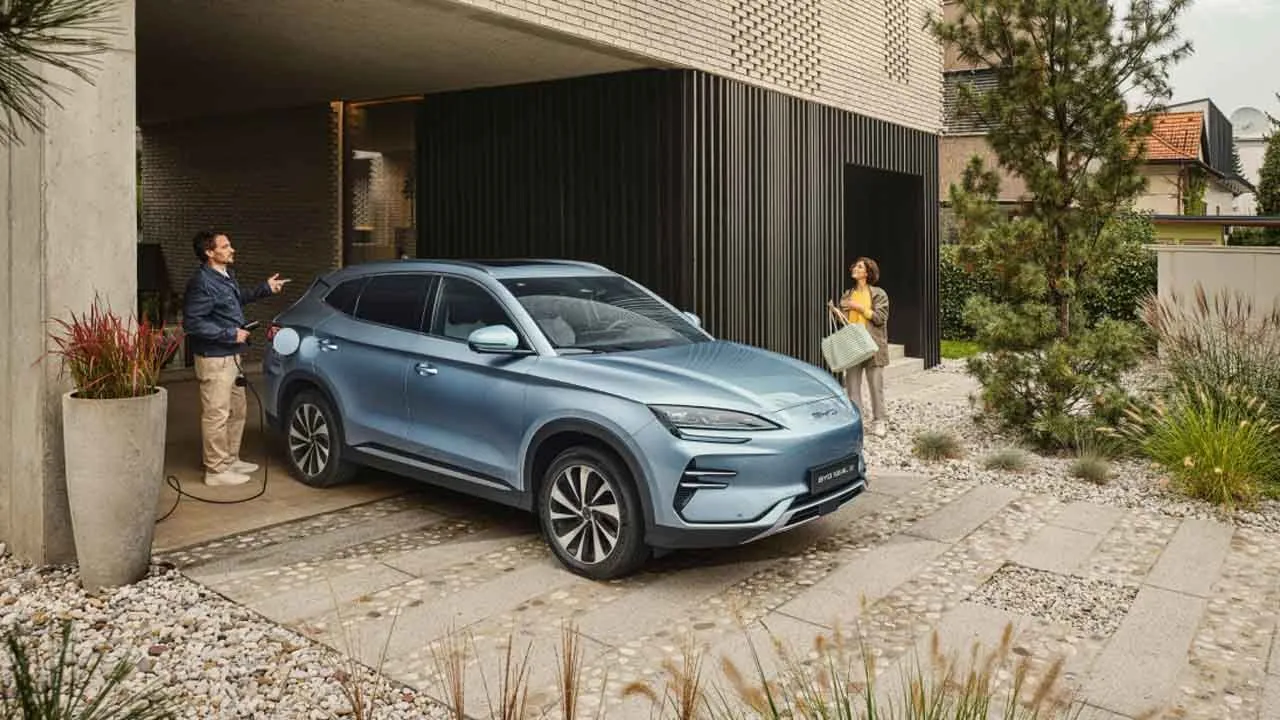
Exports underpin BYD and Geely’s profit forecasts, but the situation is starting to become more complicated. Europe’s restrictions on hybrids manufactured in China and reduced tax incentives for exports will put pressure on their profit margins and increase the desire to produce in Europe.
Selling outside China has become an increasingly important part of these manufacturers’ business. Competition in the domestic market is intensifying, and exports allow them to find new buyers and compensate for weaker domestic demand. Hybrids have contributed to this growth, though the conditions that favored their expansion in Europe are changing.
According to estimates from Bloomberg, BYD could see its highest net profit growth in six quarters, while Geely’s profits are expected to rise by around 36%, based on an average of two forecasts. These are projections for the third quarter, not final figures released by the companies.
External factors help explain this optimism, but the coming months raise another question: how much of that profitability can manufacturers maintain when exporting becomes more difficult. Pressure will come from two fronts, with restrictions on access to the European market and a reduction in tax incentives provided by China for certain exported vehicles.
The trade agreement announced between the European Union and China includes an initial quota of 350,000 hybrids manufactured in China per year, including plug-in hybrids. Reports suggest the agreement may take effect on December 1, last for four years, with the quota increasing by 6% annually. Its specific implementation will determine how the growth margin is distributed among manufacturers.
Comparing this to the expected volume helps illustrate its scope. Against the roughly 800,000 units projected to be imported in 2026, this initial limit would reduce the allowable volume by about 56%. Bloomberg Intelligence estimates that the restriction could exclude around 60% of Chinese hybrid vehicles destined for Europe, with BYD, SAIC, and Chery among the most affected companies.
It is important to distinguish this measure from the additional tariffs applied to electric cars manufactured in China. Here, the focus is on hybrids, a technology that has gained prominence in exports. The announced limit applies to units coming from China, making it even more crucial for brands seeking continued growth to manufacture within European territory.
Manufacturing in Europe Gains Importance Over Exporting from China
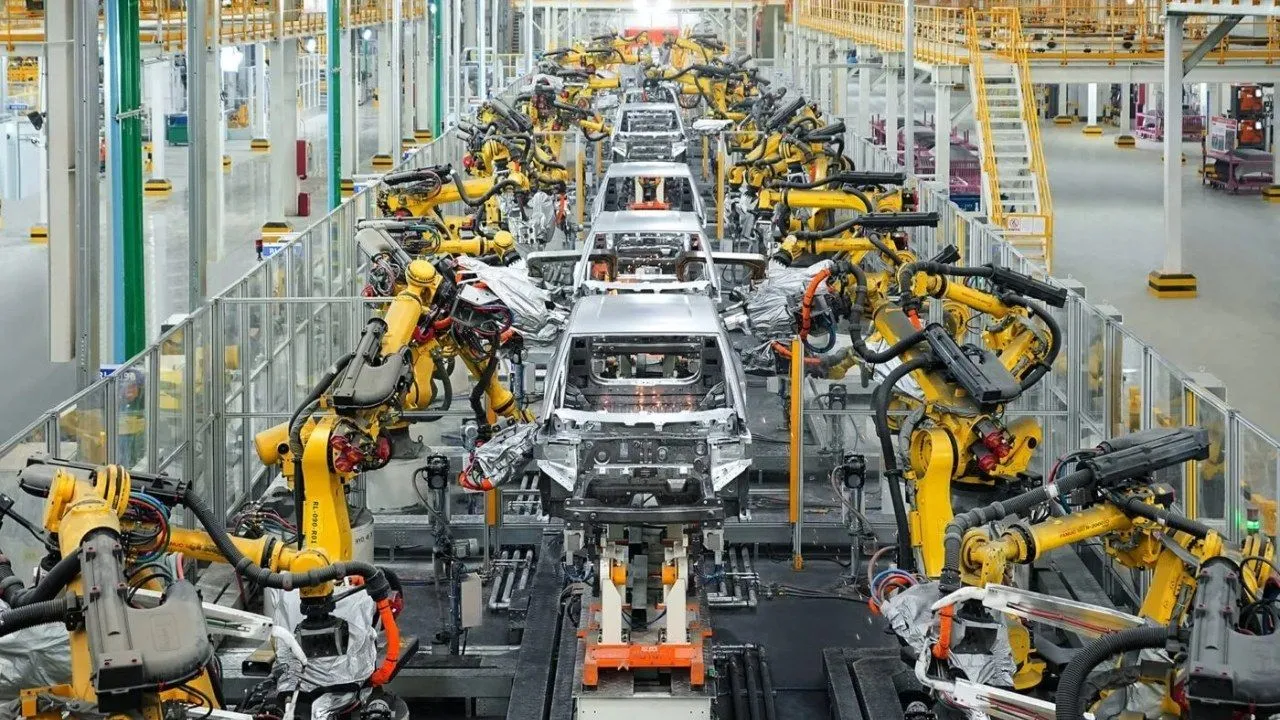
The second change is scheduled for a later date, but it also has implications for accounts. China has announced that, starting from April 1, 2027, it will reduce the VAT refund on exports of models covered by the measure within the new energy category from 13% to 9%. This category includes, among others, electric vehicles and plug-in hybrids.
This represents a four-percentage-point reduction in the tax refund, not an automatic 4% increase in the retail price. The ultimate impact will depend on costs, profit margins, and each manufacturer’s business decisions. Brands may be able to absorb part of the impact by adjusting their discounts or reviewing prices, but they will have less room to maintain all previous conditions.
For a Spanish buyer, therefore, these changes do not yet allow one to predict how much a specific model will cost in 2027. They do add pressure on trade policies and the choice of versions that brands target for Europe. If imported units are limited, a possible response would be to prioritize those that offer the greatest profit margin, though it will be necessary to see what strategy each company adopts.
The Jefferies analysts cited by Bloomberg also expect shipments to be accelerated to take advantage of the period before new restrictions take effect. However, the timelines differ: the European quota could start applying before the end of 2026, while China’s tax cuts will go into effect in April 2027. A temporary increase in exports before those dates does not necessarily mean sustained demand growth.
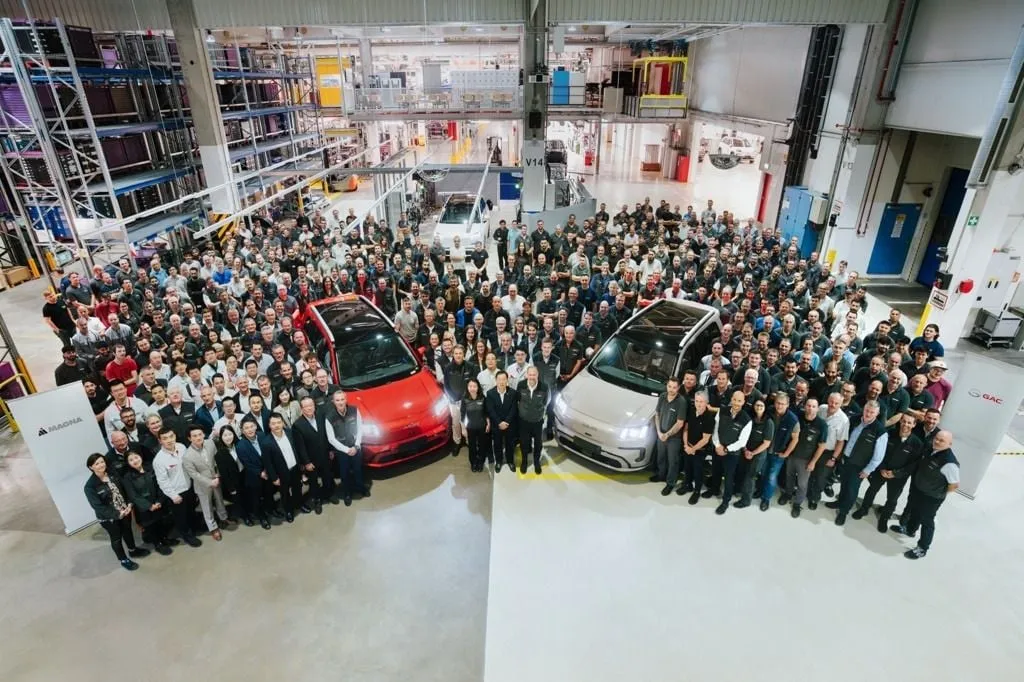
The underlying alternative is to produce closer to the customer. Xpeng already has manufacturing in Austria, and BYD plans to start production in Hungary this quarter. These are projects with different structures, but they share the goal of having a presence overseas that relies less on shipping finished cars from China.
Opening or adapting a factory also does not solve the problem immediately. It requires investment, suppliers, staff, and time to reach a sufficient production pace. The commercial benefits must offset these costs and the risks associated with launching new facilities. That is why brands with greater financial capacity and industrial partners may be in a more favorable position to cope with this change.
The stock market reflects some of those doubts. According to data compiled by Bloomberg up to the time of its reporting, BYD had fallen 23% in Hong Kong during 2026, compared to a 14% decline in a global index of stocks related to electric vehicles. Xpeng and Xiaomi saw even larger drops, at 53% and 31%, respectively. These are stock market fluctuations, not sales declines, but they show that investors still demand proof of profitability.
Third-quarter results may provide a good picture of export momentum. The next challenge will be maintaining this momentum with fewer tax incentives and more limited access for imported hybrids. For Chinese brands, gaining a foothold in European dealerships will increasingly depend on their ability to manufacture within Europe as well.