
Experts warn: more demand, fewer discounts. The paradox of electric cars in Europe
Filling up the tank is expensive, very expensive, and when gasoline prices approach 2 euros per liter, this drives more European buyers to consider electric cars. Good news for sales, but it has an less pleasant consequence for those looking to buy one: manufacturers and dealers have less need to lower their prices. When demand increases, promotional offers lose their impact.
This is reflected in the regular study by the Bochum Center for Automotive Research, whose data is reported by agency dpa. In October, brands slightly increased discounts on gasoline-powered and plug-in hybrid cars. The opposite happened with electric cars. Ferdinand Dudenhöffer, the head of the study, attributes this reduction in promotions to high fuel prices.
Discounts Favor Internal Combustion Engines
The figures show a clear difference. The analyzed internal combustion engine vehicles have an average discount of 19.6% on their list price, while electric vehicles enjoy a discount of only 16.3%. This 3.3 percentage point gap helps the former maintain their appeal at dealerships, although drivers still need to stop at gas stations later on.
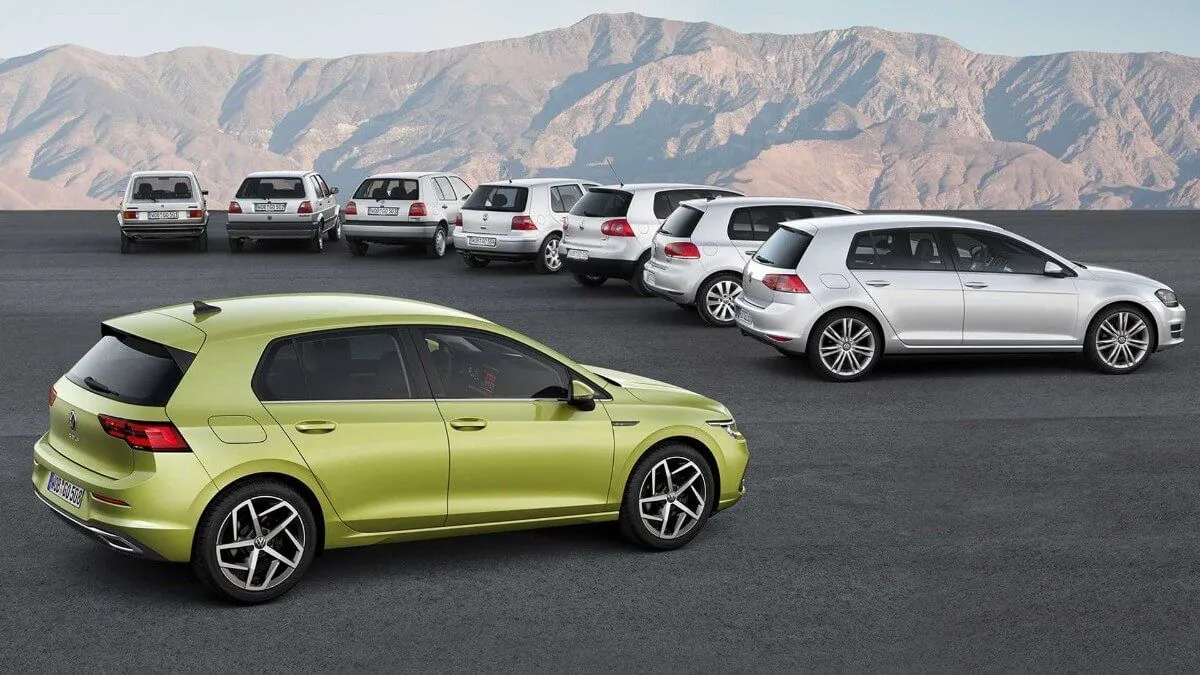
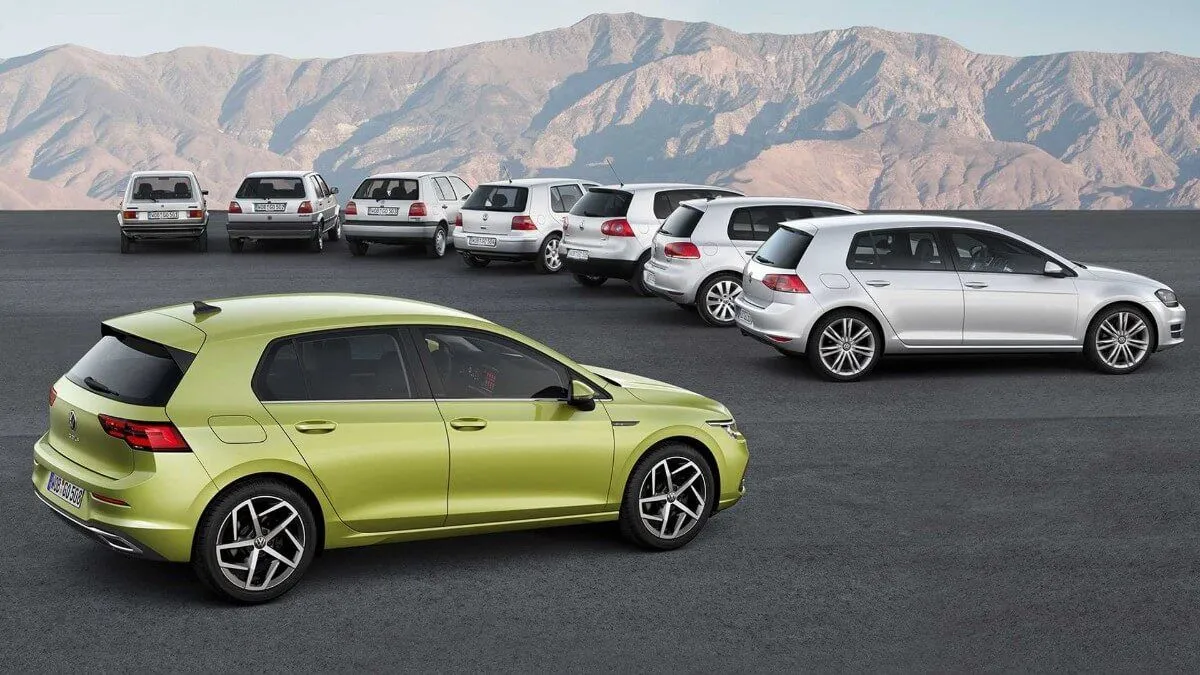
The models with high sales volumes that benefit from these promotions include the Volkswagen Golf, Opel Astra, and Fiat 500. It’s also important to distinguish between raising a price and reducing part of an offer: a car can retain exactly the same listed price but end up costing more if the discount given to the buyer is decreased.
The result is that the average price difference between electric vehicles and internal combustion engine models included in the study exceeded 2,900 euros in October. By December 2025, with fuel prices significantly lower according to published data, that gap was 1,328 euros. In less than a year, the disparity has more than doubled.
That doesn’t mean every electric vehicle now costs 2,900 euros more than its gasoline counterpart. The study tracks the listed prices of the 25 best-selling cars in each category, so we’re looking at an average of those models. The results help show market trends, but they don’t replace a direct comparison between two specific models with equivalent specifications and purchase conditions.
In Germany, government subsidies also come into play, which can amount to up to 6,000 euros depending on the program’s conditions and the buyer’s situation. These serve as an additional factor beyond commercial discounts and can affect the final invoice amount. These figures apply to the German market and should not be directly applied to prices or available subsidies in Spain.
Plug-in hybrids, on the other hand, offer even higher discounts. Among the 20 best-selling models in this category, CAR reports an average discount of 20.3%. The BYD Seal 6 stands out, with discounts of nearly 38% off the catalog price in the analyzed market. This is a particularly aggressive offer, though the percentage alone does not reveal the specific terms of each transaction.
The interesting aspect is the market reaction described in the study. High fuel prices boost interest in electric vehicles, but this advantage eventually gives sellers room to keep prices higher. Meanwhile, internal combustion engine models rely on larger discounts to attract buyers. Savings over time and upfront costs again pull in different directions.
For those doing the math, it’s necessary to compare the final price, financing terms, and charging costs for regular trips. Having access to a home charger or relying on public charging can significantly affect the outcome. Just because gasoline helps sell more electric vehicles doesn’t guarantee that manufacturers will make them cheaper.