
Spanish drivers draw a red line under electric cars: charging speed is becoming as important as range.
10/09/2026 12:30
Updated to
10/09/2026 12:30
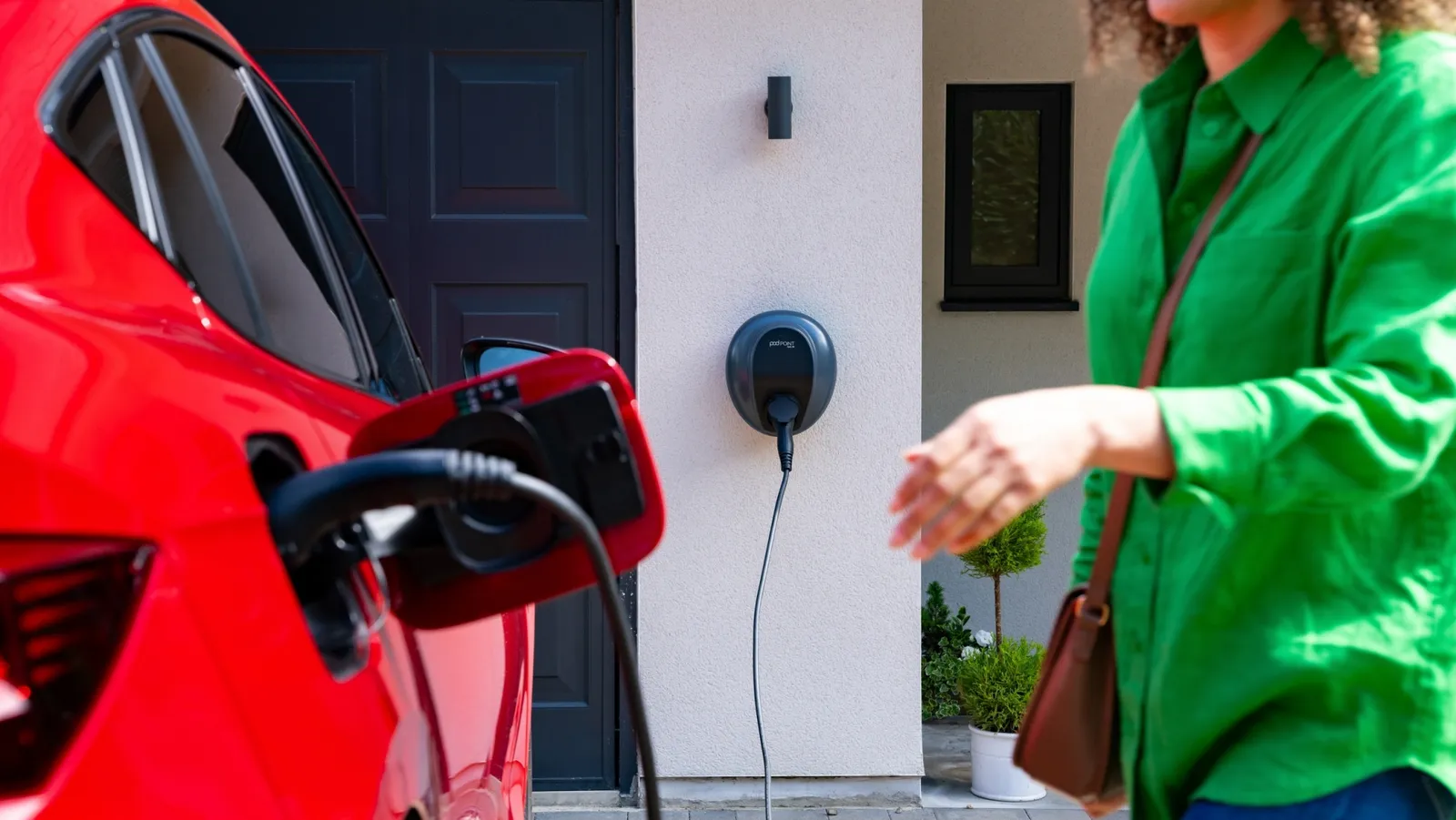
Public charging still makes a significant difference between using an electric car in daily life and for long trips. While at home the vehicle can stay connected for hours without affecting daily routines, on the road time begins to become a decisive factor for many drivers.
The Arval Mobility Observatory 2026 reflects this shift in requirements. Among Spanish corporate drivers, 38% believe waiting more than 24 minutes during charging makes it harder to incorporate electric cars into their regular commutes, with the average maximum tolerance time being 38 minutes.
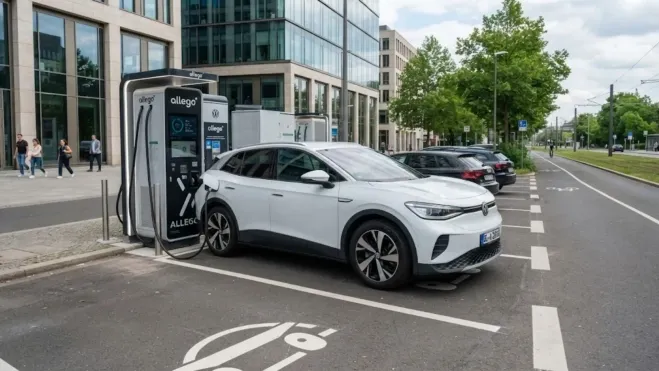
Fast charging becomes a key factor for traveling
Reducing those waiting times depends heavily on the available power. High-power chargers allow for a significant amount of energy to be restored during a relatively short stop, as long as the vehicle itself supports such charging speeds. That’s why the expansion of 150 kW or higher stations is becoming particularly important in intercity routes.
The problem is that a large portion of Spain’s infrastructure still focuses on lower power levels. According to ANFAC, Spain ended the second quarter of 2026 with 56,682 public charging points in operation, but nearly 70% of them were still equipment with capacities up to 22 kW. Chargers with at least 250 kW accounted for 2,806 points, after 337 new installations were added during the quarter.
Availability also continues to pose a barrier for businesses. Arval’s own survey shows that 30% consider the public charging network insufficient, while another 23% face issues related to a lack of chargers in employees’ offices or homes.
At home, time is no longer the main problem
The situation is different when charging occurs during several hours of parking. Nearly half of the drivers surveyed, 49%, prefer to charge at home at night, compared to 28% who usually use fast charging stations while on the road.
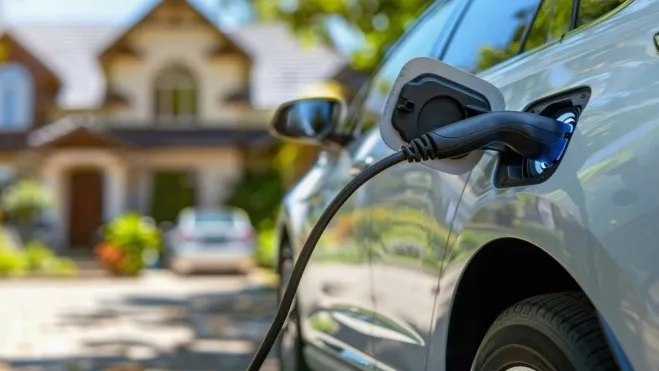
The difference is also evident in costs. Charging at home during off-peak hours allows drivers to travel 100 kilometers for approximately 1.44 to 2.15 euros, while charging during peak hours can raise that cost to as much as 5.03 euros. Using public infrastructure increases expenses even further, especially when ultra-fast chargers are utilized.
This combination of price, power, and time explains why infrastructure is beginning to become as important as the car’s own range. In fact, ANFAC reported an additional 17,821 installations that were still offline at the end of June, meaning nearly a quarter of the entire network deployed was still not available to drivers.