
Car dealers refuse to accept electric cars older than five years: a ticking time bomb?
The used electric vehicle market is facing a problem that until recently seemed hard to imagine. The rapid advancement of technology, the constant introduction of new models, and falling prices for new electric cars are causing some relatively old units to lose value much faster than expected. And China, where electric vehicles have achieved widespread adoption, is already showing how far this situation can go.
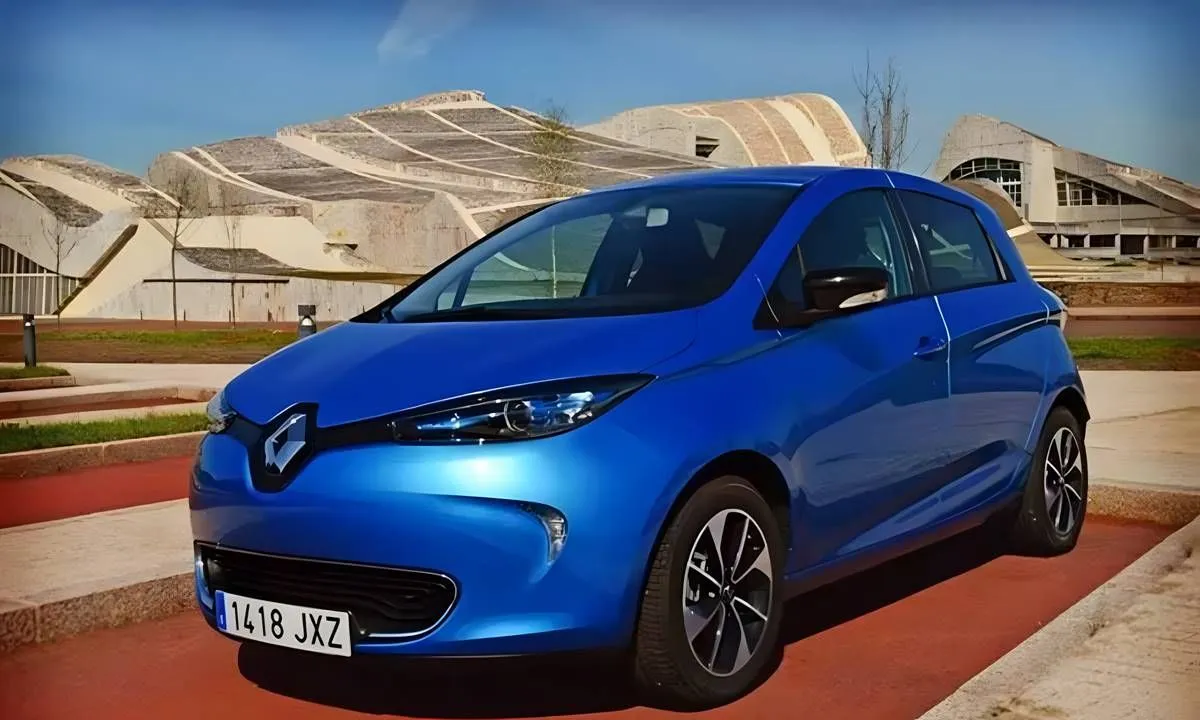
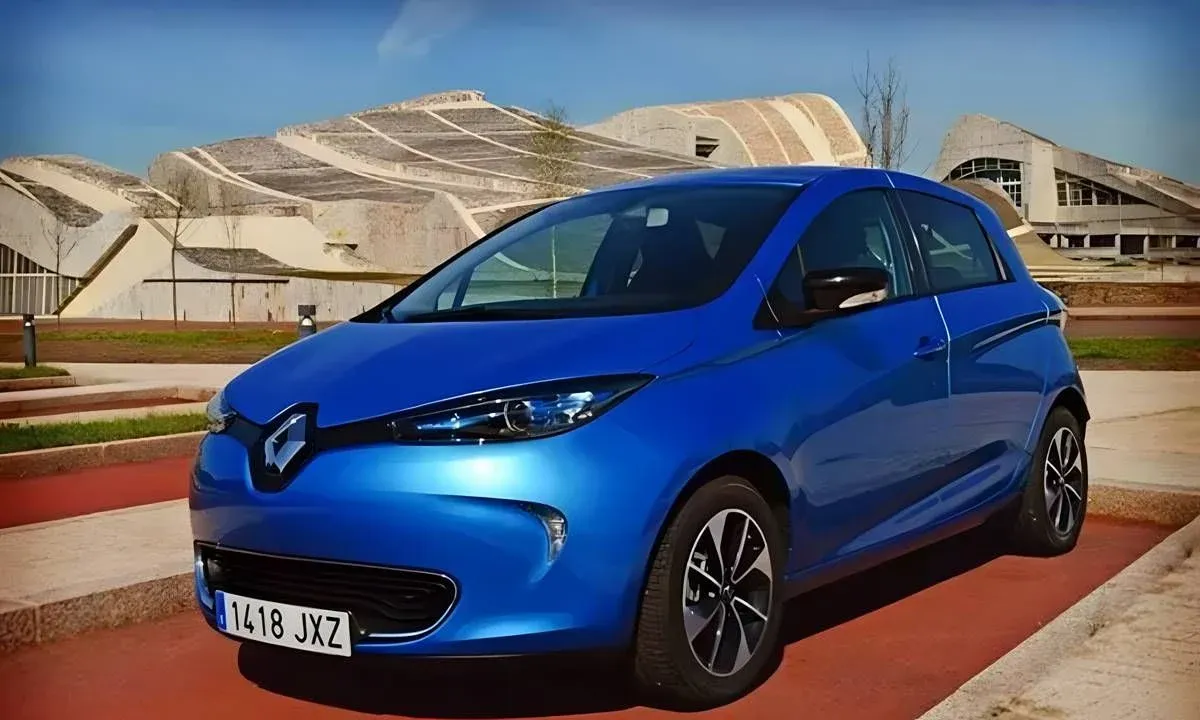
The issue isn’t that a five-year-old electric car stops being useful. In fact, for many drivers, it can remain perfectly functional for many years. A good example is the Renault ZOE, which even after several years can still meet the typical needs of many users without too much trouble, whether in its 40 kWh version with around 200 km of real-world range or the 52 kWh version that can achieve nearly 300 km of real-world range. The problem arises when it’s time to sell it or use it as part of the payment for another car.
For dealers, calculating the value of an electric car in three or five years has become a particularly challenging task. The market changes rapidly, new manufacturers emerge, and newer models offer greater range, better performance, and more features for the same price. This directly affects manufacturers, financing companies, and dealers, who may encounter used cars whose actual value is far below what was estimated at the time of registration.
China is experiencing this phenomenon with particular intensity. According to the International Energy Agency (IEA), the country ended 2025 with around 44 million electric cars on its roads, accounting for approximately 13% of the total vehicle fleet. Additionally, sales of used electric cars exceeded 1.5 million units that year, meaning the market is now facing a significant number of older-generation vehicles for the first time.
The problem is that those cars have to compete against newer models that evolve at a considerable pace. A vehicle that just three or four years ago could boast impressive range may quickly be overtaken by a cheaper one with a larger battery and more advanced assistance systems. In a highly competitive market like China, this difference ends up directly affecting the resale price.
A five-year-old electric car can become a problem for dealerships
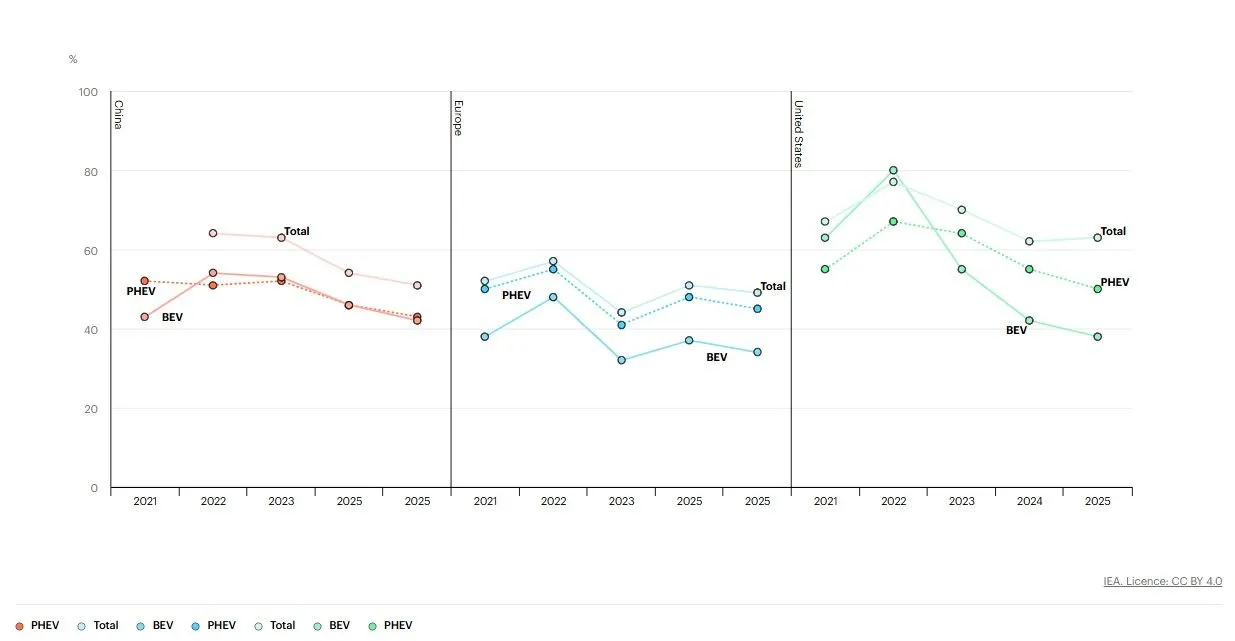
The AIE’s data provides figures for this situation. In China, a three-year-old electric car retained around 46% of its original value in 2024, compared to approximately 55% for the overall used vehicle market. By the end of 2025, the average retained value for electric vehicles, including plug-in hybrids, had dropped to 42%.
The reason lies not only in battery wear. The AIE also points to the rapid advancement of technology, which makes newer models more attractive than older ones. Added to this are buyers’ concerns about battery condition and the potential cost of major repairs once the car has been around for several years.
The consequence is particularly striking: the IEA estimates that around 80% of used car dealers in China already refuse electric vehicles over five years old. This doesn’t mean those vehicles have stopped working or that their batteries are necessarily damaged. It’s mainly an economic issue: dealers struggle to determine how much they can sell the car for later and what risk they’re taking by including it in their inventory.
This reveals one of the major weaknesses of the used car market. Conventional cars also have expensive repairs, but technological advancements usually don’t make a model from five years ago seem so different from a new one. In electric cars, however, range, charging speed, efficiency, and electronic features have improved very rapidly.
This creates a peculiar situation. A five-year-old electric car may still be perfectly suitable for daily use, but it might be less attractive from an economic perspective in terms of buying and selling. If the equivalent new model has also seen its price drop, the gap can be even larger.
The situation is not limited to China. The IEA itself notes that the depreciation of electric cars is also a significant issue in other major markets. In Europe, the trend is different, and there is no comparable widespread rejection of vehicles over five years old, but the loss in value of certain models is already becoming an important factor for buyers, dealers, and financing companies.
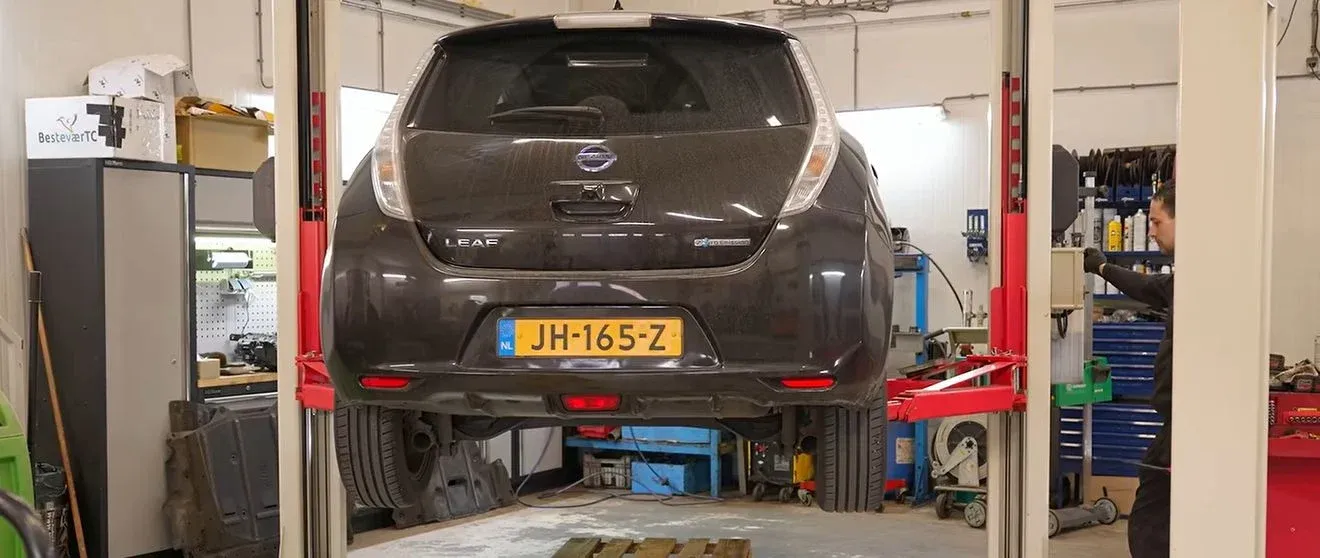
In Spain, this issue may become particularly significant as the number of electric cars entering the used car market increases. In 2025, sales of used electric cars exceeded 3 million units when including China, five major European markets—France, Germany, Italy, Spain, and the United Kingdom—and the United States. The AIE notes that this market grew by about 35% compared to the previous year.
The other major issue is the information available about the battery. For a used car buyer, knowing that a vehicle is five years old with 100,000 kilometers on it doesn’t tell the whole story. Two identical units can have different battery conditions depending on their usage, climate, charging cycles, and other factors. And although there are methods to assess battery condition, in some markets the management systems and data available to independent operators make it difficult to obtain a simple, consistent, and reliable evaluation.
That’s why the market needs to evolve toward a much more transparent assessment of battery conditions. An independent certificate that reveals its available capacity, degradation level, and overall condition could reduce a significant portion of the uncertainty that currently concerns professionals.
In Europe, situations indicating this trend are already beginning to appear. For example, the German market has seen a sharp depreciation in some Chinese-brand electric cars, while dealers also point to uncertainties regarding the survival of certain brands, parts supply, and the service network.
The result is that buying a new electric car no longer simply involves analyzing its current cost. It has also become important to consider how much it will be worth in five years. And this is a question that even professionals find difficult to answer in a market that changes so rapidly.
The paradox is that this rapid technological advancement is one of the major advantages of electric cars, but at the same time it can become one of their problems when they reach the used car market. Cars are getting better every day, batteries offer more capacity, and charging is faster, but all of this can cause earlier generations to become commercially obsolete long before they do mechanically.