
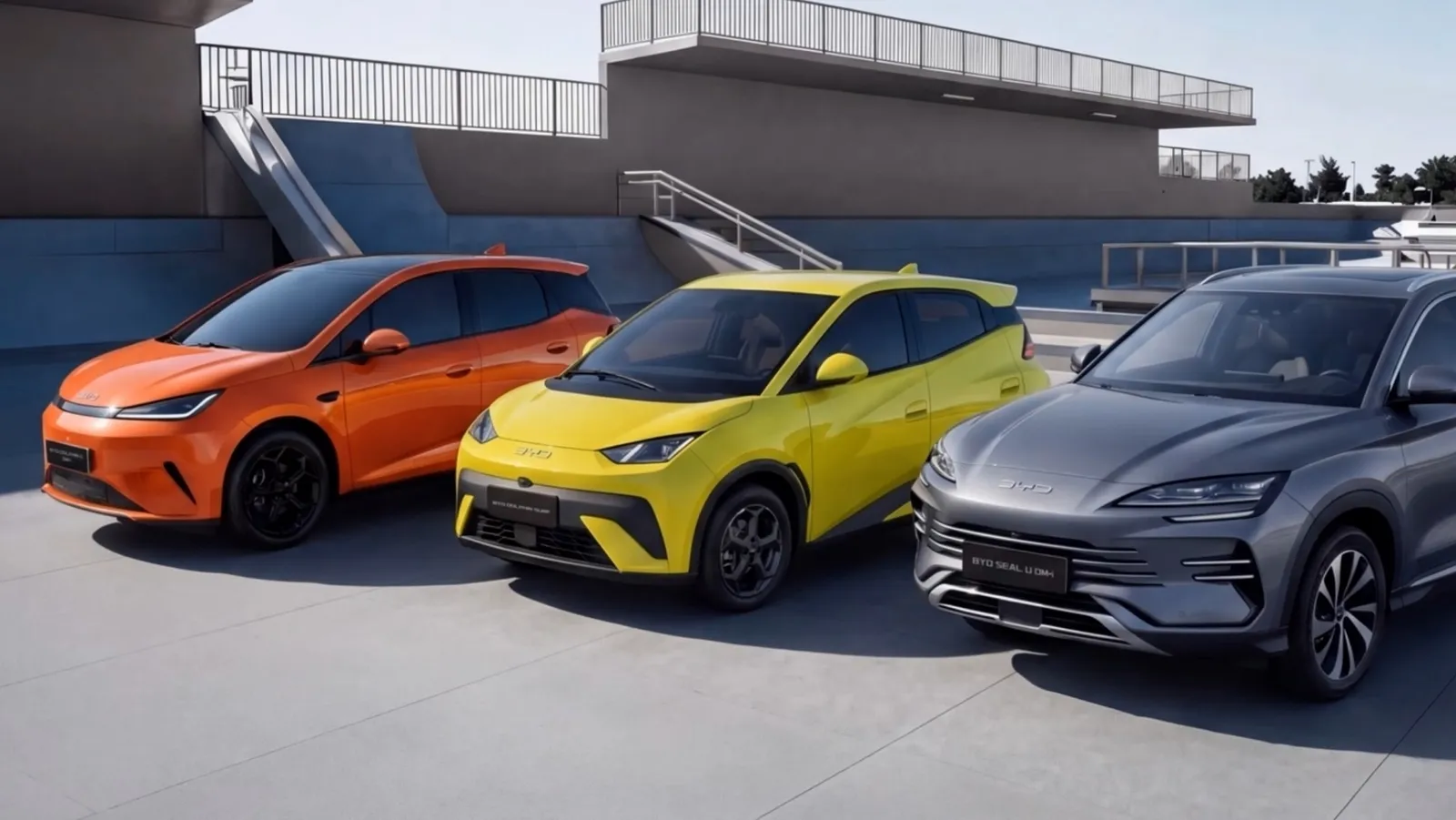
BYD’s dealers in Europe are preparing to welcome more customers: the goal is to sell 2,500,000 cars by 2027.
12/09/2026 13:00
Updated to
12/09/2026 13:00
The data speaks for itself. China produces, while Europe drives performance. The speed at which Chinese manufacturer BYD is expanding its business operations beyond its borders continues to accelerate. Given its strong recent performance in overseas markets, the brand’s leadership team has raised its forecasts for international deliveries in 2026, setting the new target between 1.9 and 2.0 million vehicles. BYD already earns more in Europe than in China.
This adjustment represents a significant leap compared to the targets set at the beginning of the year, when the company planned to export 1.3 million units, a figure it later raised to 1.5 million. However, the more ambitious goal is set for 2027, by which the group has formally aimed to exceed 2.5 million registrations in overseas markets. Meanwhile, in China, BYD continues to make steady progress. The issue isn’t the number of registrations but rather the revenue each sale generates for the company.
The maturity of electric vehicles in overseas markets
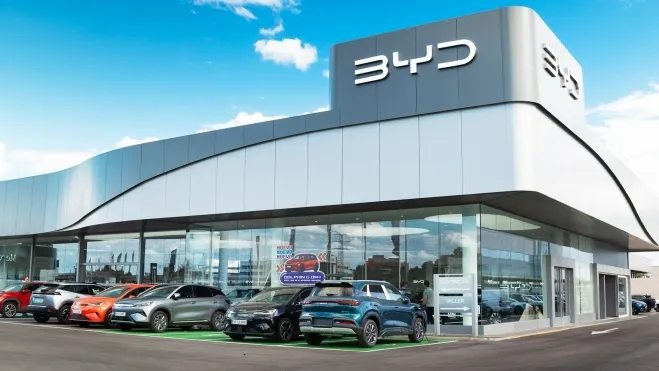
The driving force behind this continuous improvement lies in the strong acceptance of its mechanical platforms in regions such as Europe, Southeast Asia, and Latin America. The combination of plug-in hybrid models with DM-i technology and fully electric vehicles based on the Blade Battery architecture has enabled the company to quickly respond to the demand for efficient powertrains.
In 2025, the manufacturer recorded over 1.04 million new energy vehicles exported from China, representing a year-on-year increase of more than 150%. This volume laid the foundation for a balanced geographic diversification, ensuring that no single market posed an excessive burden on overall sales.
The role of global mechanical platforms and specific segments
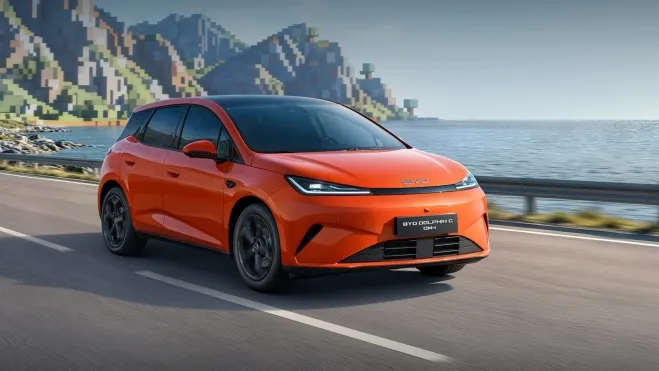
To sustain this growth in production toward 2.5 million units by 2027, the international lineup continues to diversify its powertrain options. A notable example is the development of the plug-in hybrid pickup BYD Shark, designed specifically for regions such as Mexico, Brazil, and Australia, without being marketed in the Chinese domestic market. Another example, one that is much closer to home, is the BYD Dolphin G DM-i, the first BYD model developed for Europe.
In addition to its new models, the Ocean and Dynasty series of sedans have solidified their position in the electric vehicle segment. The introduction of variants tailored to foreign homologation standards has accelerated import procedures and delivery at major international ports. Gradually, other companies under BYD’s umbrella are also achieving satisfactory sales figures. Fang Cheng Bao, the youngest of its subsidiaries, has sold 500,000 cars in 3 years. Meanwhile, Europe is preparing to welcome more models under the Denza brand.
Compensation for slowing domestic market growth
The acceleration in exports also stems from the need to balance the economic balance sheet. Faced with market saturation and intense price wars affecting sales within China, international channels offer more stable profit margins and allow full utilization of the assembly lines in their production facilities. The deployment of own freight ships and the establishment of industrial plants on various continents, including the upcoming plant in Hungary, are part of the logistical framework that will support the goal of 2 million units by 2026 and the subsequent target of 2.5 million units by 2027.