
“Cars will get increasingly expensive”: Mercedes CEO issues a warning to curb protectionism with China
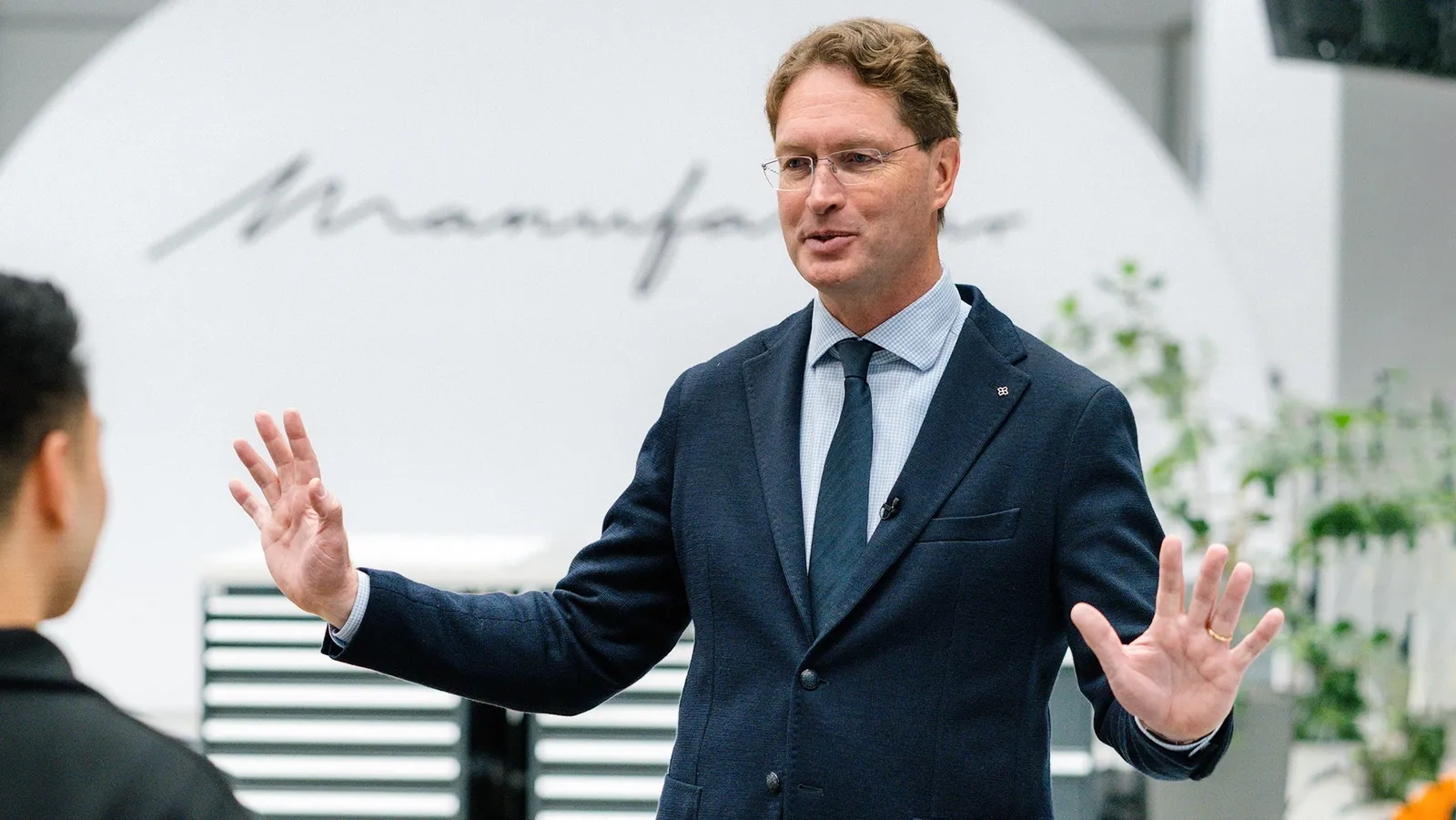
Europe wants to protect its automotive industry from the rise of Chinese manufacturers, but the measures being prepared by Brussels do not convince all of the continent’s major automakers. One of the most critical voices is Ola Källenius, CEO of Mercedes-Benz and current president of the Association of European Automobile Manufacturers (ACEA). In fact, in a recent interview, he once again warned about the new requirements to produce cars using European components.
During his speech at the Berlin Global Dialogue held recently in the German capital, Källenius questioned the consequences of the protectionist policies being considered by the European Union. While acknowledging the importance of strengthening local industries and reducing certain dependencies on foreign sources, he believes that imposing restrictions on international supply chains could harm the competitiveness of European manufacturers themselves.
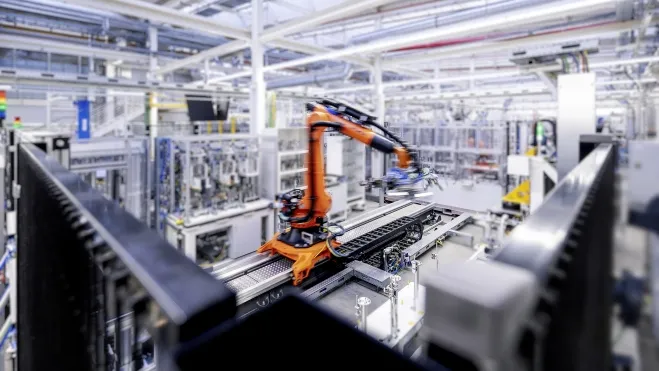
"A modern car contains thousands of components from around the world"
The top executive at Mercedes-Benz explained that the automotive industry currently operates thanks to a complex international network of suppliers. Manufacturers acquire components from different countries to optimize their industrial processes, leverage specialized technologies, and keep costs under control. “A modern car contains thousands of components from all corners of the world to maximize efficiency. Imposing restrictions would increase production costs, even though it might improve resilience,” Källenius said during his speech.
The executive acknowledges that manufacturing more components within Europe can bring advantages, especially when it comes to reducing exposure to potential disruptions in international trade. However, he warns that this greater security comes at an economic cost that community institutions must take into account. These statements come at a time when the European Union is considering new regulations to support vehicles and components produced on European soil.
The goal is to strengthen the competitiveness of the European industry against imports from third countries, especially China, whose manufacturers are expanding their presence in Europe. However, Mercedes’ CEO believes these measures could also harm trade relations with countries that have strong industrial ties to Europe, such as Japan or South Korea. Thus, the concern is not limited to relations with Chinese manufacturers.
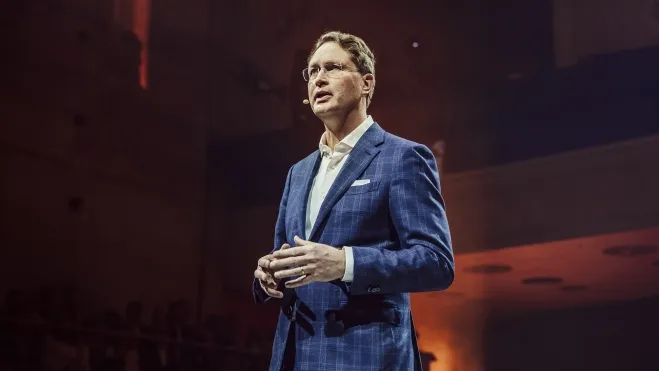
Mercedes’ CEO does not want Europe isolated from the rest of the world
Källenius has also argued that Europe should not become a kind of commercial island that limits its relations with other major markets. In this regard, he specifically mentioned the United States, China, Japan, South Korea, and India as partners with whom it is essential to maintain economic exchanges. This perspective is particularly important for manufacturers like Mercedes-Benz, which sell their vehicles in numerous countries and rely on an international network of suppliers.
The executive does not deny the need to protect the European industry from unfair business practices, but believes measures must be carefully designed to avoid counterproductive consequences. In his view, promoting local production should not mean giving up the advantages of international trade. In fact, Källenius has asked community authorities to continue pushing for new trade agreements. Among his priorities is the deal with South American countries and the negotiations between the European Union and India.
A warning amid the Chinese car offensive
Since late 2024, the European Union has imposed tariffs on certain electric cars manufactured in China, a measure aimed at countering the subsidies that, according to the European Commission, some manufacturers from that Asian country receive. Meanwhile, these Eastern brands are expanding their international presence and diversifying their products. Some have strengthened their offerings of plug-in hybrids, which are not subject to the same additional tariffs as pure electric cars from China.
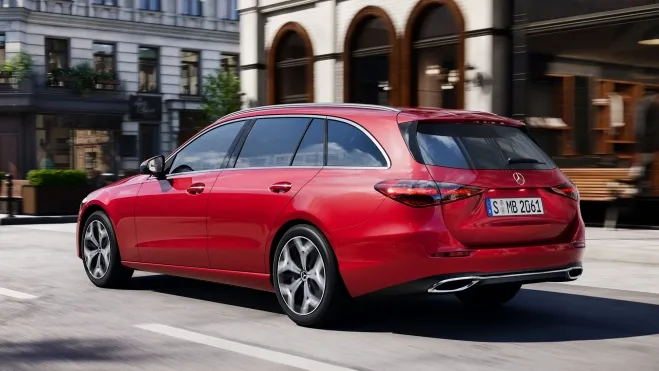
In this context, Brussels is seeking ways to strengthen European production and ensure that a larger share of the value created by the automotive industry remains within the continent. But the question is how to achieve this without excessively raising manufacturing costs.
For Källenius, the risk is that overly restrictive rules could end up increasing the production costs of European cars. While that doesn’t necessarily mean all vehicles will see higher prices, it could put pressure on manufacturers’ profit margins and hinder their ability to offer competitive products. The Mercedes CEO’s warning thus summarizes one of the major dilemmas facing Europe: protecting its industry from increasingly fierce international competition without harming the manufacturers it aims to safeguard.