
Electric cars are approaching price parity with gasoline vehicles: the current difference is less than 10%.
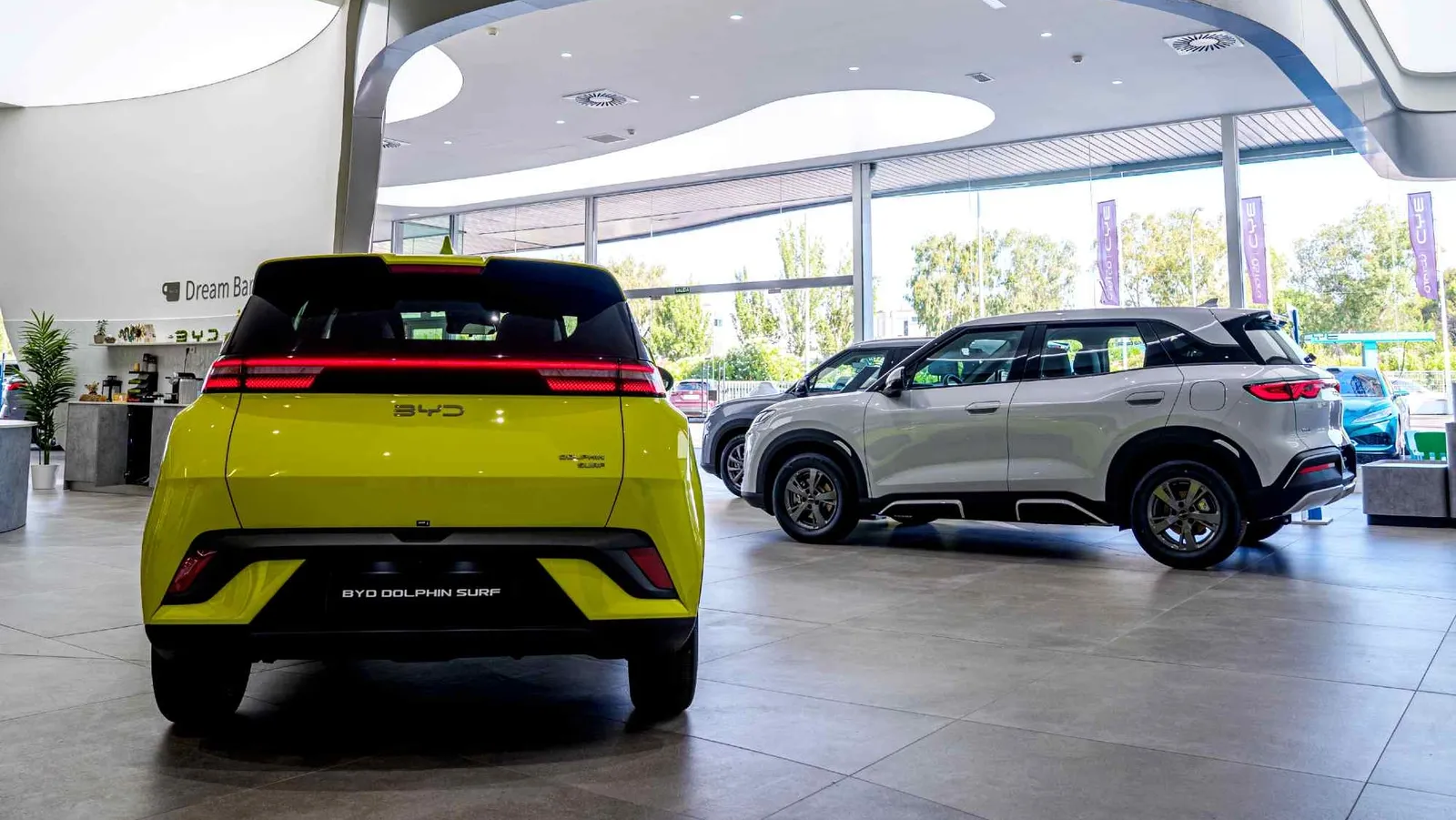
Electric cars continue to improve in one of their former weaknesses: they are narrowing the price gap with internal combustion engine models. The latest data from Kelley Blue Book (KBB) for August 2026 shows that the difference between these two types of vehicles is continuing to shrink, although electric cars are still slightly more expensive. The data refers to the U.S. market but reflects a general trend that is also occurring in other regions.
According to the report, the average transaction price of a new electric vehicle was $54,813 in August, a figure that represents a 1.2% decline compared to July and a 2.7% drop from the same month last year. Even more significant is the change in the gap relative to conventional gasoline-powered vehicles: the extra amount buyers pay for an electric vehicle decreased to 9.4%, down from over 16% recorded in August 2025.
A positive trend
Electric vehicles have traditionally started out at a price disadvantage due, among other factors, to the high cost of batteries and the fact that much of the supply was focused on larger and more expensive models. However, increased supply, the introduction of more affordable models, and greater competition are gradually changing this situation.
The difference between electric vehicles and gasoline cars has narrowed significantly, to the point where in certain periods and segments, electric vehicles have even reached average prices that are very close to or lower than those of gasoline cars. However, this trend should be interpreted with the understanding that average prices depend partly on discounts offered by manufacturers, as is also the case in Spain, where government subsidies further influence prices.
KBB’s latest data also highlights the significance of incentives in this situation: in August, discounts for electric vehicle buyers accounted for 12% of their average purchase price, compared to 6.5% for the overall market. Although the percentage allocated to incentivizing electric vehicle purchases has dropped from 14.6% in August 2025, it remains significantly higher than the average for all new vehicles.
Tesla’s Role
Tesla plays a significant role in this overall situation as it holds a dominant position in the U.S. electric vehicle market, meaning its prices have a substantial impact on the industry average. In August, the average purchase price of a Tesla was $52,616, 2.4% lower than in July and 3.4% lower than a year earlier.
Looking at the market as a whole, the average purchase price of all new vehicles reached $50,089 in August, 0.5% higher than in July and 1.9% higher than a year prior. Thus, electric vehicles are still more expensive on average, but the gap has narrowed significantly over the past year.
Erin Keating, executive analyst at Cox Automotive, explains: “Inflation in new vehicle prices is a reality, but price increases in the automotive sector have been moderate in recent years and remain below the long-term average of around 3%. At the same time, many American households are under significant financial pressure, which is driving more buyers toward lower prices. The steady and strong growth of subcompact SUVs highlights the continued importance of affordability in today’s market.”