
Small electric cars are making a comeback in Paris: from the new Renault Twingo to the Volkswagen ID. Polo
For years, most new electric vehicles seemed aimed at buyers seeking large SUVs or sedans for customers with deep pockets. But this year’s Paris Auto Show offered a range much closer to the needs of many European drivers: smaller models designed for everyday use at increasingly reasonable prices. The variety is also expanding, from two-seater urban cars to options capable of serving as primary vehicles.
The lineup includes well-known models returning with updated versions, such as the Renault Twingo, Volkswagen Polo, and the compact Smart. Chinese manufacturers also offer their own models along with a plug-in hybrid option from BYD. While not all compete directly against each other, together they illustrate the growing activity in the more affordable segment of the market.
Before comparing prices, there’s an important detail: unless otherwise specified, the prices listed here refer to the French market. The figures below 15,000 euros associated with some of these models include government subsidies from that country and should not be considered as selling prices in Spain.
More Affordable Urban Cars and Compact Models Designed for Versatility
Dacia Spring: more space and a more comprehensive package
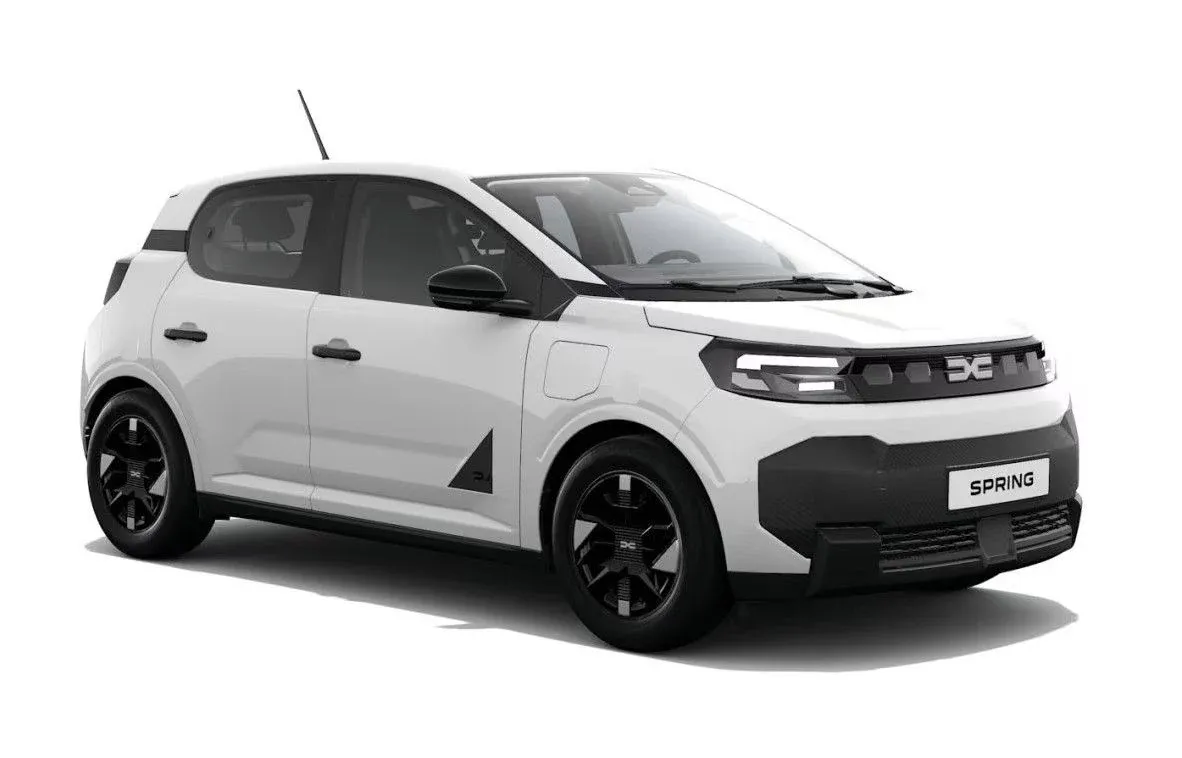
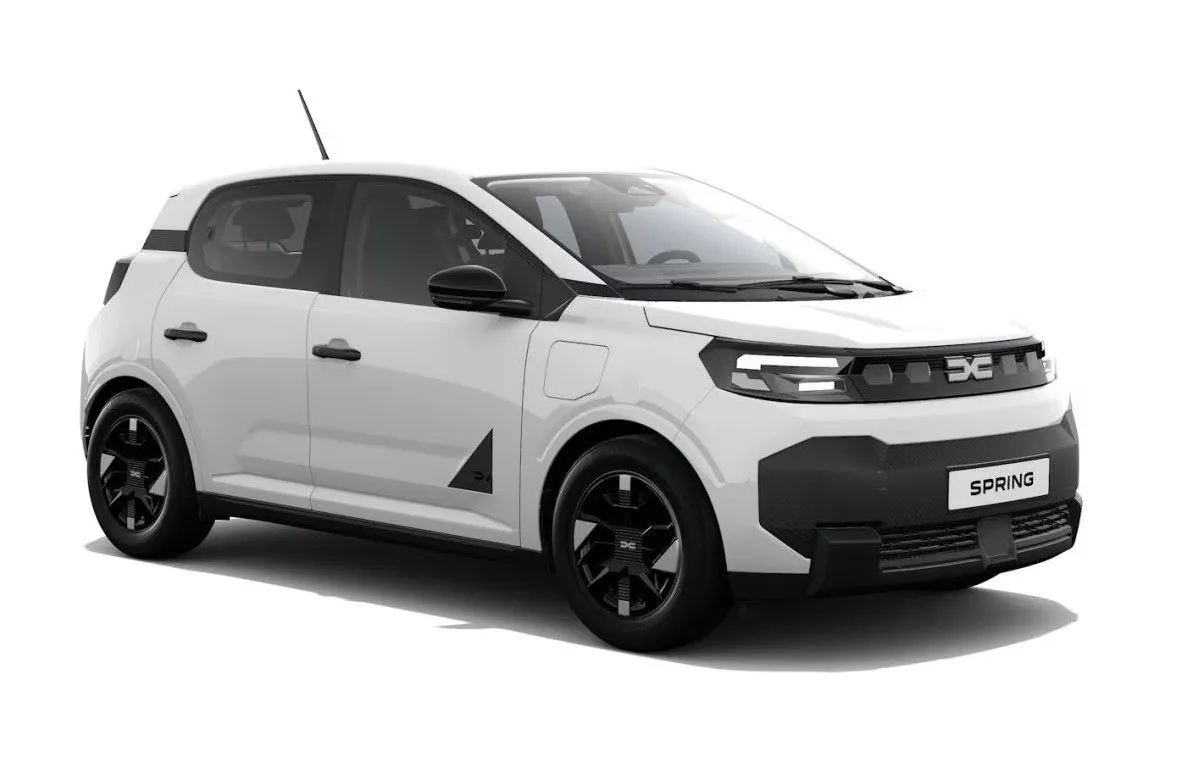
The new Dacia Spring is now 3.85 meters long, 15 centimeters longer than before, and it has also gained in width. Its design features more geometric shapes, while the interior includes digital instrumentation, an optional 10.1-inch central screen, and YouClip mounts for accessories. The trunk capacity reaches 337 liters, an impressive amount for a car still primarily designed for urban use.
Its engine produces 80 horsepower and uses a 27.5 kWh LFP battery, offering up to 250 km of WLTP range. The optional fast charging feature reaches 50 kW (68 horsepower), allowing the battery to go from 15% to 80% in 28 minutes, and it includes V2L functionality for powering external devices. Now manufactured in Europe alongside the Twingo, it still has no price announced in Spain, where the current generation starts at 20,580 euros.
Renault Twingo: Nostalgia can also be practical
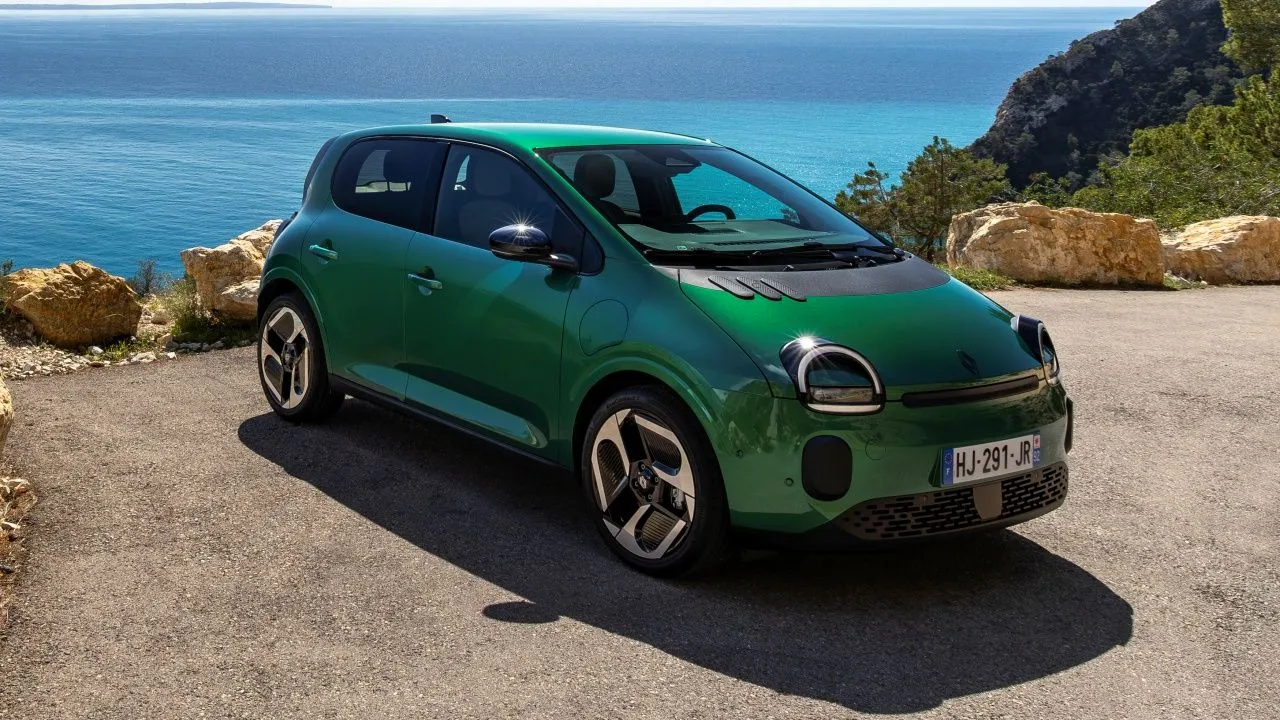
The Renault Twingo retains much of the visual appeal from its first generation, featuring a gently shaped body and eye-catching colors. It shares the same technical platform as the Spring but aims to stand out through its design and personality. In Paris, Renault also unveiled a new feature for its range: the Twingobay glass panoramic roof, which enhances the interior’s brightness.
The mechanical setup combines an 80 HP engine with a 27.5 kWh battery, offering a WLTP range of 263 km. Its price in Spain is 19,500 euros, before any discounts or promotions.
Smart #2: Going small again
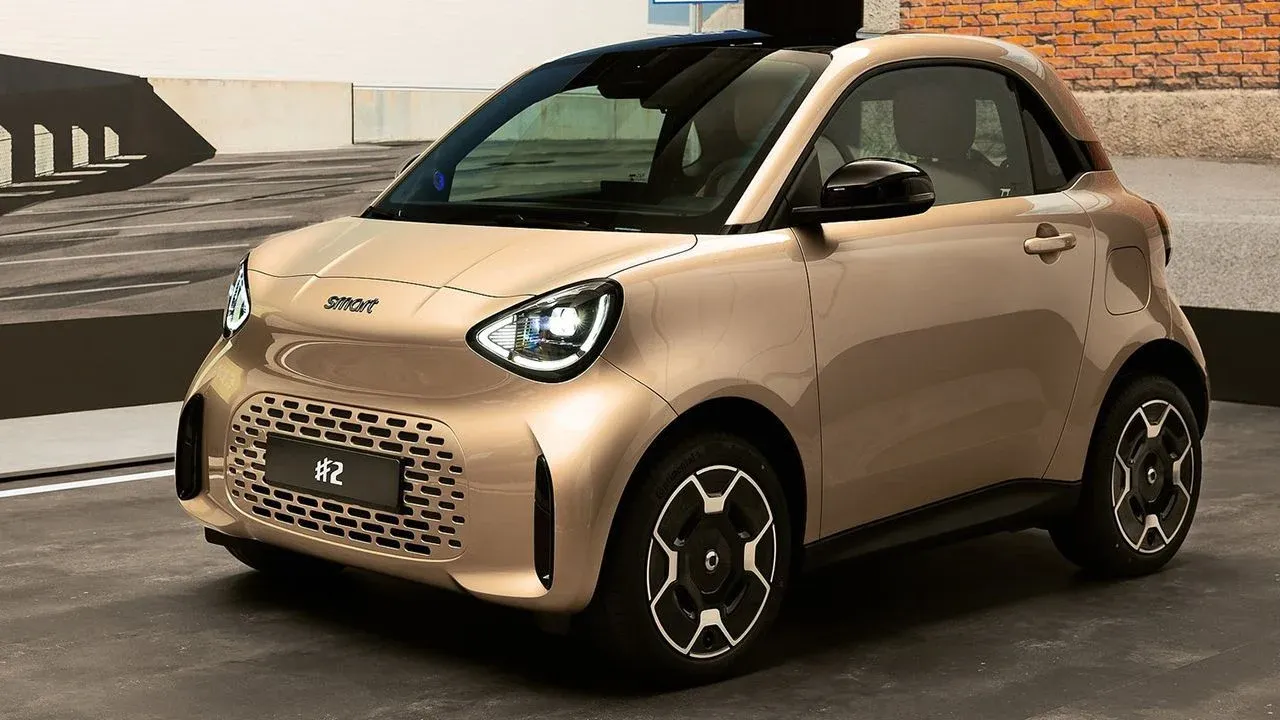
The Smart #2 adopts the format that defined the brand: two seats and a length of just 2.75 meters. Its claimed turning diameter of 6.95 meters indicates great maneuverability, while the trunk capacity is stated at 305 liters, expandable to 505 liters depending on the configuration. The double-opening door provides a practical solution for a body design that prioritizes making use of every centimeter.
The rear-mounted engine delivers 80 horsepower and is powered by a 35.7 kWh LFP battery, offering up to 290 km of WLTP range. Fast charging reaches 65 kW (88 horsepower), with a claimed time of less than 20 minutes to go from 10% to 80% charge, and it also includes V2L functionality. Its price starts at 19,990 euros, with deliveries expected in the first half of 2027.
Volkswagen ID. Polo: a familiar name for a bold move
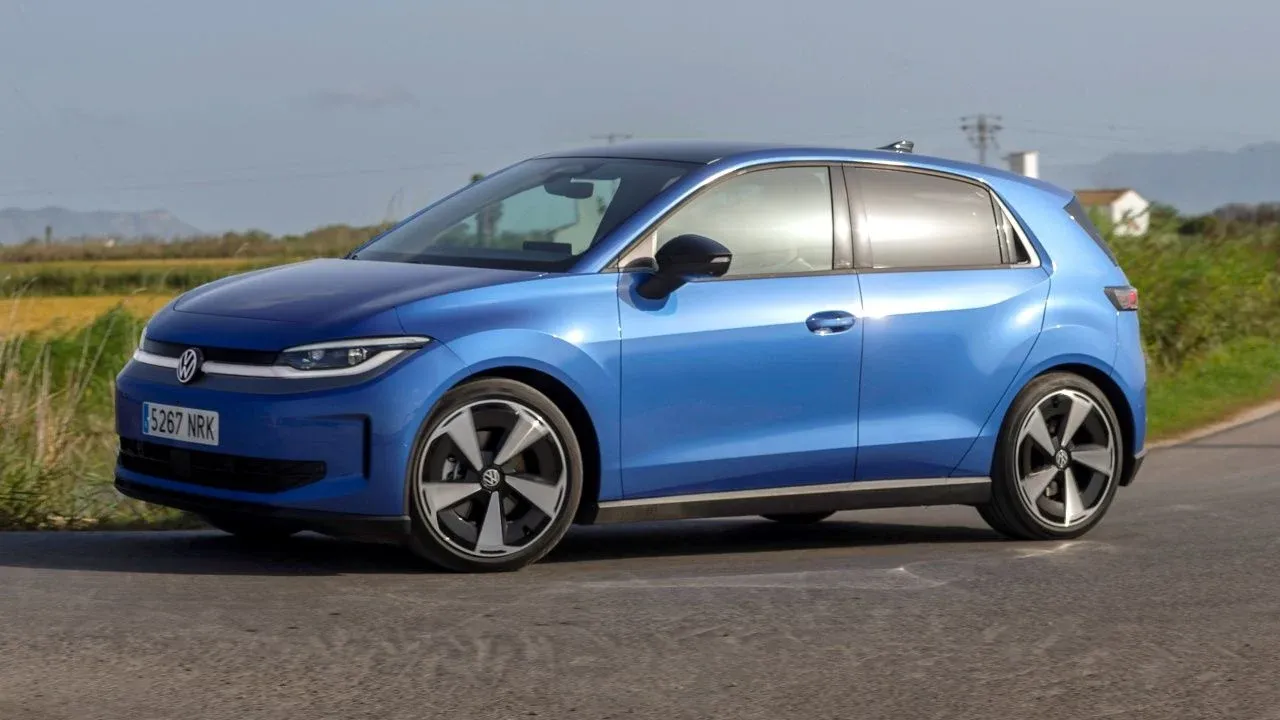
The Volkswagen ID. Polo has a different mission from smaller urban cars: it offers enough space and range to extend its use beyond the city. It also reintroduces physical controls and combines aesthetic references to the past with a digital interior. It is a response for those looking for a small electric car without sacrificing family-friendly ergonomics.
The announced range includes engines of 115 and 135 horsepower paired with a 37 kWh battery, offering up to 329 km of WLTP range. Above that is a 210 horsepower variant with a 52 kWh battery, providing up to 455 km of WLTP range. Charging times from 10% to 80% range from 24 to 27 minutes; prices for this range start at 29,270 euros for the 37 kWh version and 35,475 euros for the 52 kWh version.
Chery Q
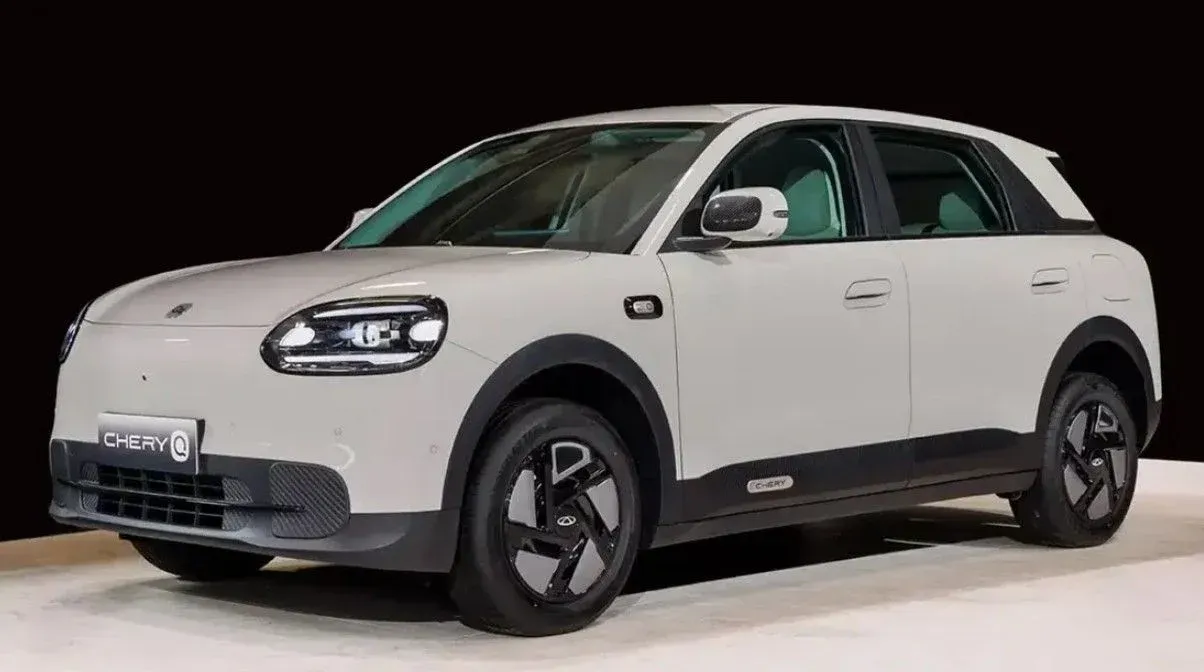
Chery will unveil the Chery Q at the 2026 Paris Motor Show. It is an electric urban car with an attractive design featuring rounded lines and will serve as the basis for the future most affordable EBRO model.
At 4.19 meters long, it is slightly larger than a Renault 5 and features numerous practical amenities: 38 interior storage compartments, a 375-liter rear trunk supplemented by a 70-liter front trunk, and a V2L function for charging electronic devices. In terms of performance, it combines a 121 HP engine with a 41 kWh battery that can be charged from 30% to 80% in just 17 minutes. The advertised range is 400 km (CLTC), and its presence in Paris will allow Chery to assess driver acceptance among French motorists before confirming its commercial launch.
A segment, the compact and urban one, still has models to be launched, especially from Stellantis, which will have vehicles like the Citroen 2CV, which won’t arrive until 2028, or the FIAT Koala. Who knows, we might also see the return of a legendary name like the FIAT Punto, targeting a length range of 4.10 to 4.20 meters.