
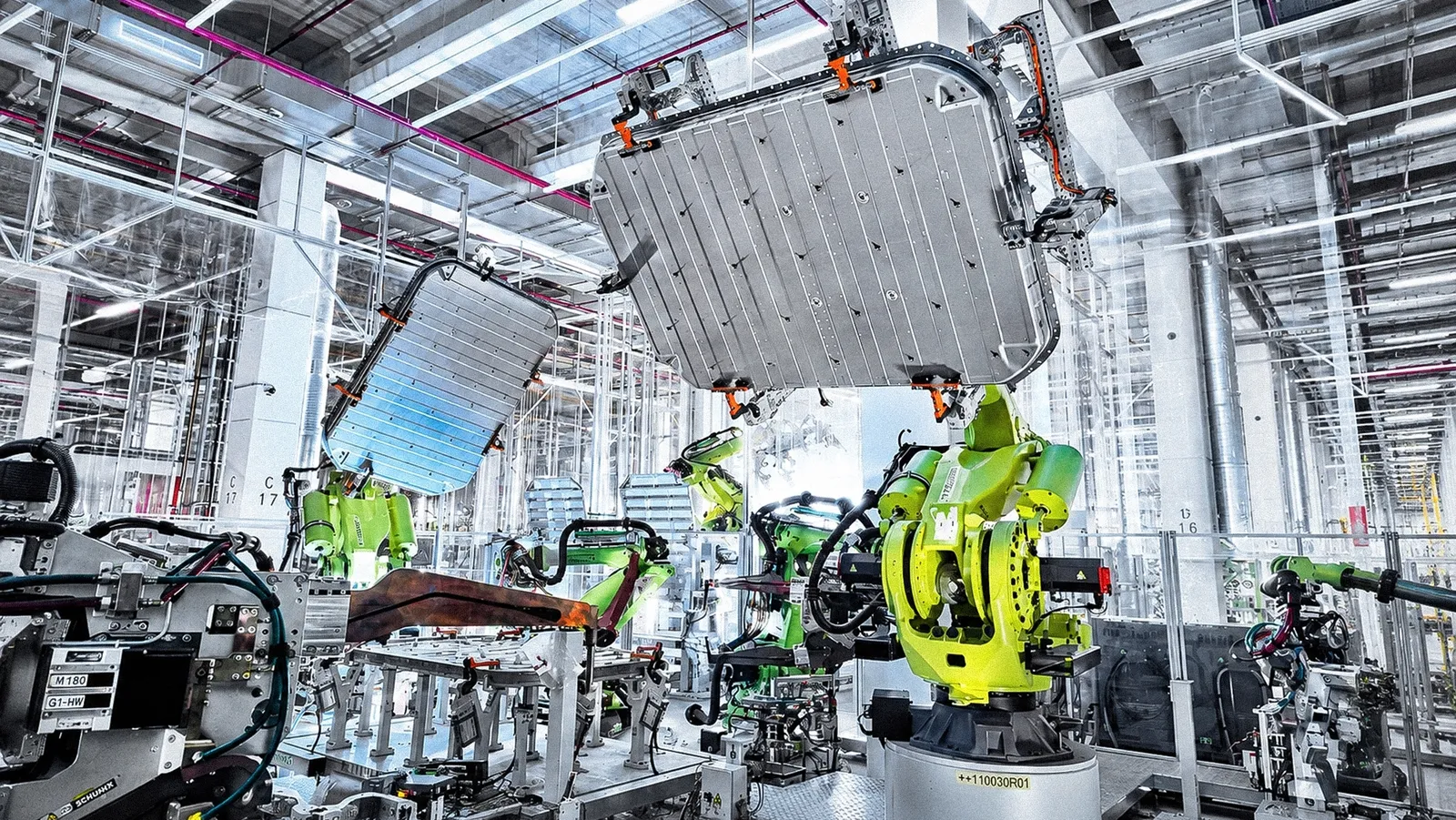
The oldest electric cars are about to create a million-dollar business, and the key lies in their used batteries.
31/10/2026 20:30
Updated to
31/10/2026 20:30
The first electric cars that entered the market over a decade ago are beginning to create a business opportunity that has so far received little attention. Their batteries can retain significant economic value even after the vehicles stop being used. Everything suggests that their buying, resale, reuse, and recycling will become increasingly important activities for the automotive industry.
Felix Wagner, CEO and co-founder of Circunomics, a German company specializing in battery lifecycle management, views it this way. In remarks to Automotive News, the executive stated that the market for used batteries from electric vehicles could account for 10 to 20% of the total battery market for such vehicles over the next 5 years. This forecast indicates a significant shift in how one of the most valuable components of an electric vehicle is managed.
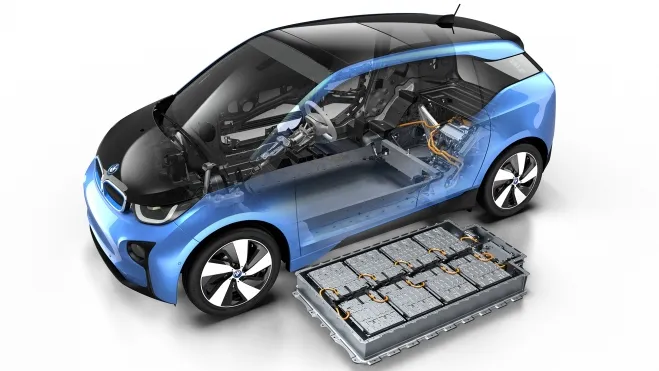
The batteries in the early Nissan LEAF and Renault ZOE models are opening up a new market
The origin of this business lies in the aging of the first generation of mass-produced electric cars. Models such as the Nissan LEAF and the Renault ZOE have been on European roads for years, with some of the earliest units approaching 15 years of age. As these vehicles reach the end of their useful life or exceed the warranty period for their batteries, more components become available for reuse.
Wagner believes this phenomenon is enabling an activity that has been minor so far to begin gaining a much larger commercial scale. “The market for battery replacements for electric vehicles is finally starting to take off,” says the head of Circumomics. His projections indicate that between 2030 and 2032, an increasing number of used batteries will reach the independent market, where they can be purchased by repair shops, specialized companies, and other operators.
However, not all batteries will end up in the same place, as their condition, technical specifications, and potential for reuse will determine whether they can continue to be used in vehicles, converted into energy storage systems, or end up directly in recycling facilities.
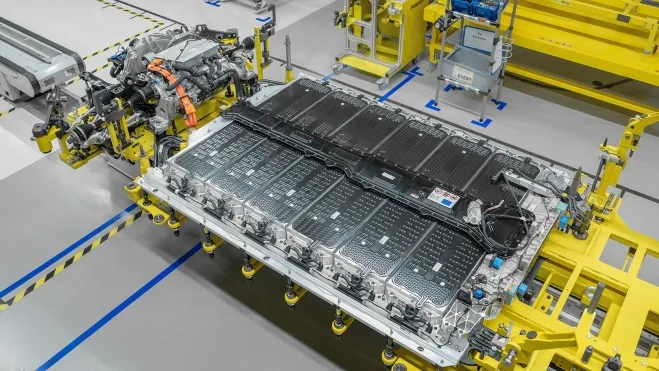
Up to 60% of reusable batteries could be used for electricity storage
According to Wagner’s estimates, between 50% and 60% of batteries suitable for a second life could be utilized in stationary energy storage systems. These systems allow electricity to be stored for later use, an application particularly useful for integrating renewable energy sources. Meanwhile, approximately 30% of used batteries would be sent directly to recycling, while the rest might find a second chance within the automotive industry itself.
One of the main obstacles is the enormous diversity of batteries available. “A workshop disassembles a Tesla in the morning, a Renault in the afternoon, and maybe another brand the next day,” explains Wagner. This variety makes it difficult to use them in large storage facilities, where operators need large quantities of identical modules with similar characteristics. In fact, he also notes that these companies may require annual supplies of 10, 50, or even 100 MWh of the same type of module. A uniformity that the independent market can hardly guarantee, but which opens up opportunities for other uses and for the commercialization of spare parts.
Manufacturers accumulate unused batteries that cost hundreds of millions of euros
The growth of this market depends not only on older electric cars. Wagner warns that many manufacturers also stock new batteries in their warehouses because they hired or acquired more capacity than they ultimately needed. The problem is that these components degrade over time, even when stored.
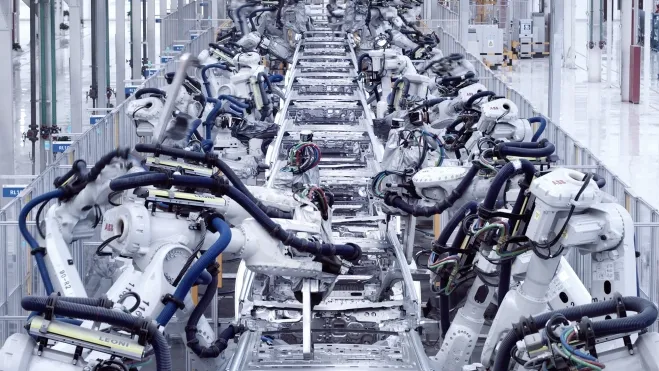
According to Wagner, this situation is costing hundreds of millions of euros for the entire industry. Additionally, the battery market remains constrained by an oversupply. Chinese manufacturers are expanding their production capacity at a faster pace than demand growth, which helps drive down prices per kWh and increases pressure on producers.
In this context, Circunomics believes that properly managing used batteries and production surpluses can become a new source of income. The goal is not only to recover valuable materials but also to utilize components that still retain storage capacity before sending them to recycling. For electric vehicle owners, the development of this market could also bring positive long-term benefits. Greater availability of reused batteries and modules would allow for expanded repair options for older vehicles, though their economic viability will depend on the condition, compatibility, and price of each component.