
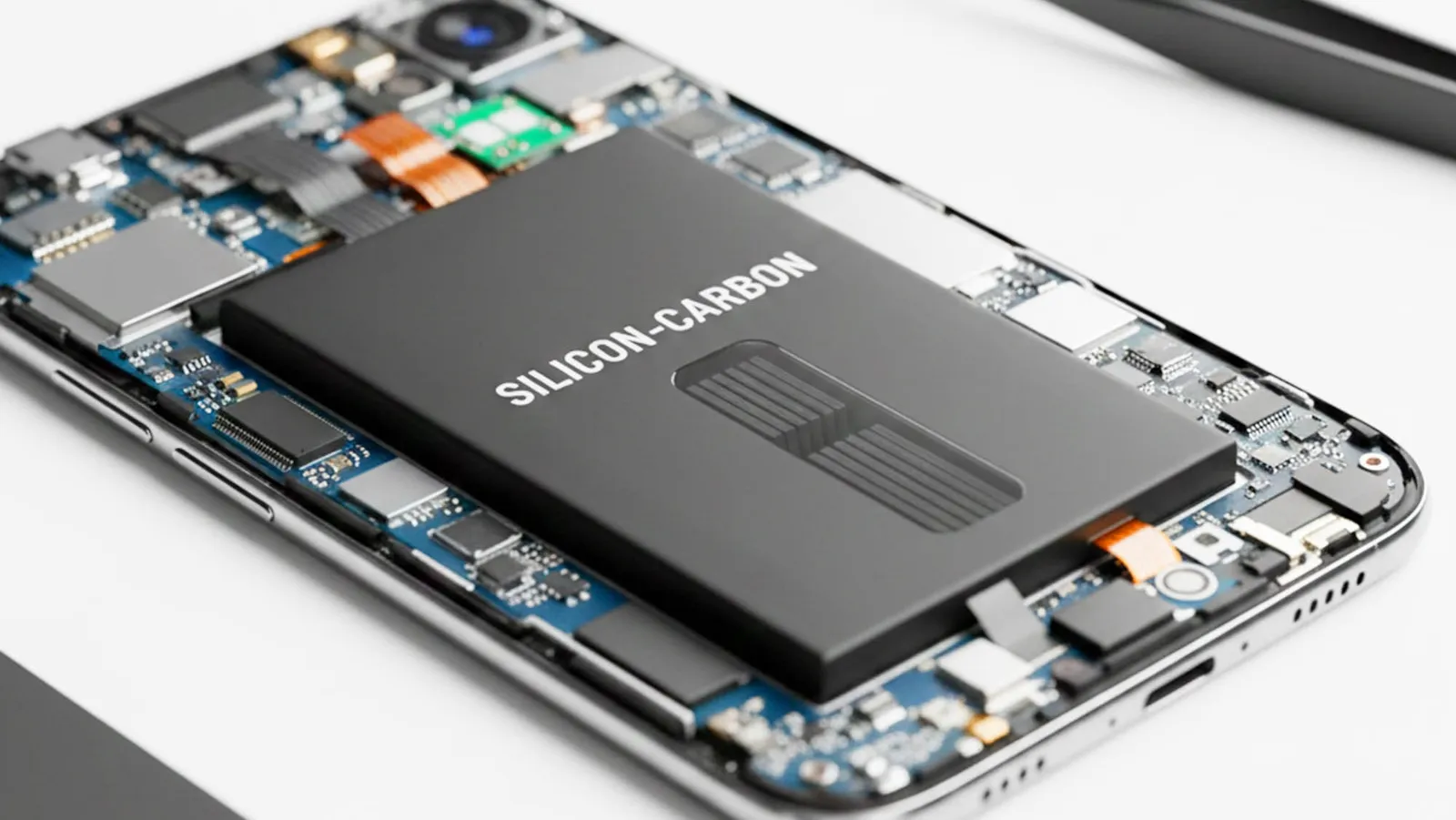
Electric cars aim to use silicon-carbon batteries that are already included in some ultra-thin smartphones.
12/09/2026 15:00
Updated to
12/09/2026 15:00
The partial replacement of graphite with silicon-carbon compounds in battery anodes is moving beyond being a promise and is now appearing in commercial products: several phone manufacturers such as Honor, OnePlus, Xiaomi, Realme, and OPPO have already incorporated these cells into some models to increase capacity without making the devices thicker.
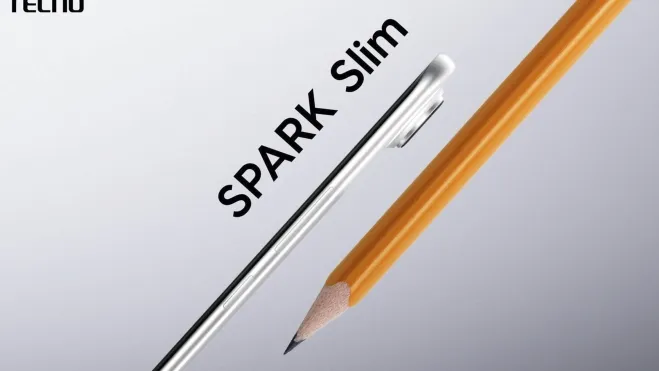
For example, the Honor Magic 5 Pro in its Chinese version comes with a 5,450 mAh battery, compared to 5,100 mAh in its international version with lithium-ion anodes; and the Tecno Spark Slim prototype displayed at the Mobile World Congress features a 5,200 mAh battery in just 5.75 mm of thickness.
Silicon-Carbon in Electric Vehicles
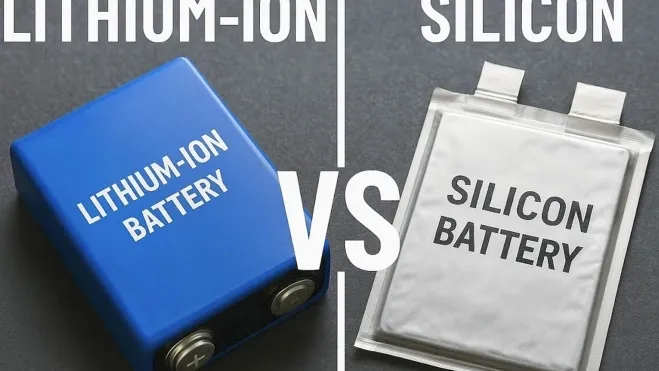
This success in telecommunications fuels expectations that the same chemistry will significantly improve future electric cars: higher energy density, shorter charging times, and a more compact package design. Theoretically, silicon has an approximate tenfold higher storage capacity than graphite, paving the way for batteries with significantly greater energy density and thus longer range.
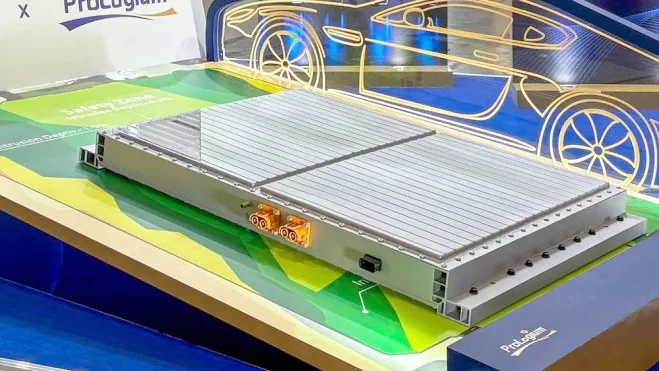
Beyond theory, companies like Taiwan’s ProLogium claim remarkable advancements: the firm has unveiled prototypes that, according to its data, could offer up to 300 kilometers of range after just five minutes of charging. If these figures are confirmed in real-world conditions, they would represent a paradigm shift in the usability of electric vehicles by eliminating one of their main barriers: charging times.
However, the path to using in cars is more complex than that for mobile devices. Silicon faces a physical issue: it expands and contracts significantly during charging and discharging cycles, which causes fatigue and capacity loss if not controlled. The industry’s response has been to combine silicon with carbon in compounds that cushion this movement and improve durability, but the solution still requires fine-tuning of materials, processes, and cell design to achieve the lifespan required in automotive applications.
The economic advantages also play a role: replacing expensive and scarce materials like cobalt with silicon could reduce the cost per kWh by about 30%, a figure that directly affects the final price of the vehicle and accelerates widespread adoption. However, this projected reduction depends on industrial scaling, raw material supply, and manufacturing processes that are not yet fully developed for automotive production volumes.
In Europe and Spain, there are already scientific and industrial initiatives aimed at filling this gap: Floatech (derived from the IMDEA Materiales institute) is working on silicon anodes that, according to its developers, can store up to ten times more charge than conventional batteries. These anodes are manufactured without solvents or polymers, reducing costs and carbon footprint. Meanwhile, companies such as Sila and Group14 Technologies are advancing the large-scale production of silicon-carbon compounds for use in the automotive industry.
The automotive industry has also invested resources in this area: from traditional manufacturers to technology companies, they are researching silicon anode batteries for high-performance and mass-market models. Porsche, for example, is exploring high-performance silicon technologies for its vehicles. However, certification, thermal safety guarantees, and validation under real-world conditions remain strict requirements that slow down large-scale commercial deployment.