
Renault’s electric cars are a success, and its factory can no longer keep up: production is increasing.
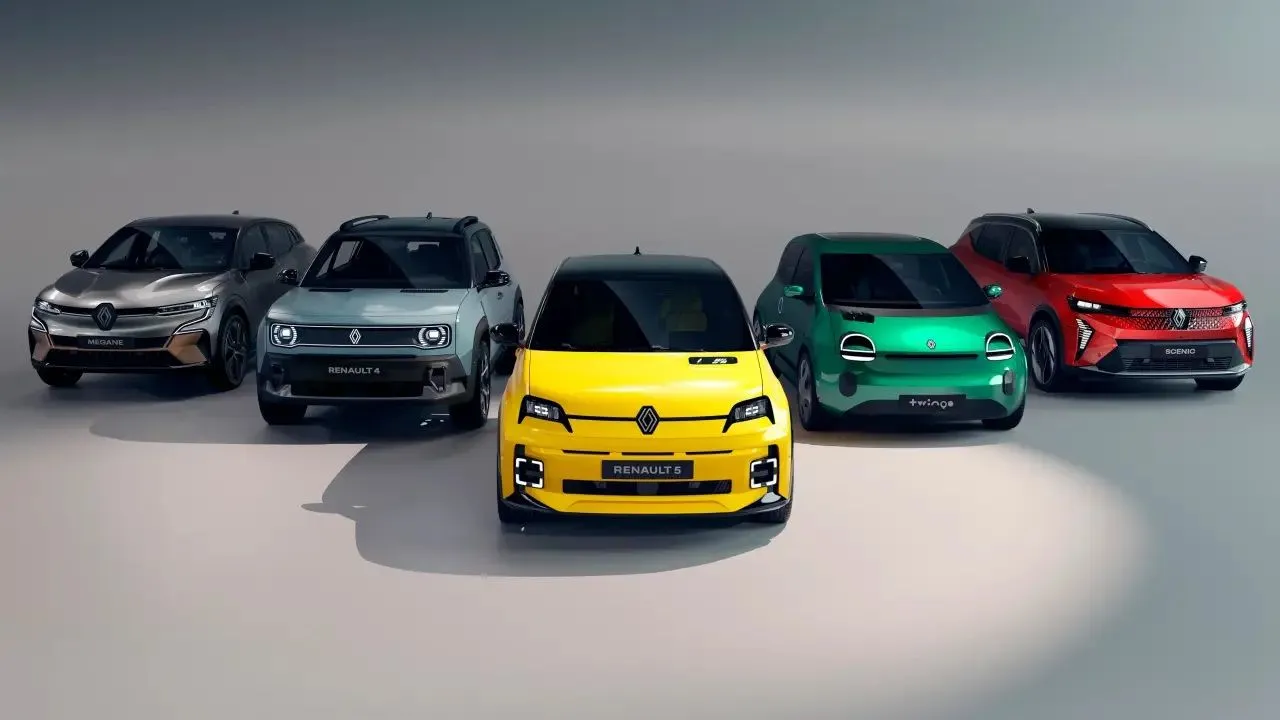
The transition to electric cars is having a very concrete impact at one of Renault’s most important factories. The Douai plant is seeking over 350 workers to support increased production. This isn’t a distant forecast or a promise for the future: the company needs to strengthen its teams now that manufacture much of its new generation of electric vehicles.
The recruitment drive is primarily targeting production operators, forklift drivers, painters, and finishers. Contracts can be temporary or indefinite through the agency itself, and one of the most notable aspects is that prior industry experience isn’t required.
The reason lies in the importance Douai has gained within Renault’s electric vehicle strategy. The Renault 5 E-Tech, Renault Scenic E-Tech, and Renault Megane E-Tech, along with the Alpine A290, are all produced there. In 2025, 87,522 units of the Renault 5, 35,687 units of the Scenic, and 17,660 units of the Megane left the factory—figures that help illustrate the scale of industrial development this project is achieving.
There’s also an important detail: Douai no longer works exclusively for Renault. The factory produces models from other brands in the Alliance as well, such as the Nissan Micra and Mitsubishi Eclipse Cross, in addition to the Alpine A290. In other words, an increasing portion of the facility’s operations is tied to a new generation of electrified vehicles.
Renault Gains Ground with Its Electric Vehicles in Spain Too
Although the Douai trend is closely tied to developments in the French market, Spanish figures show that Renault is also holding its own quite well against the arrival of Chinese manufacturers. Competition is especially fierce in our country, where brands such as BYD, Leapmotor, and MG are rapidly gaining prominence and offering electric cars at increasingly competitive prices.
In Spain, Renault had 3,874 electric cars registered by August 2026, a 2.1% decrease from the same period last year. This figure may seem modest compared to manufacturers experiencing strong growth, but it should be viewed in context: Renault maintains a wide range of models and, more importantly, ensures that several of its models are available simultaneously in the market. In August, it registered 349 electric cars, accounting for 4.3% of all electric cars sold in Spain.
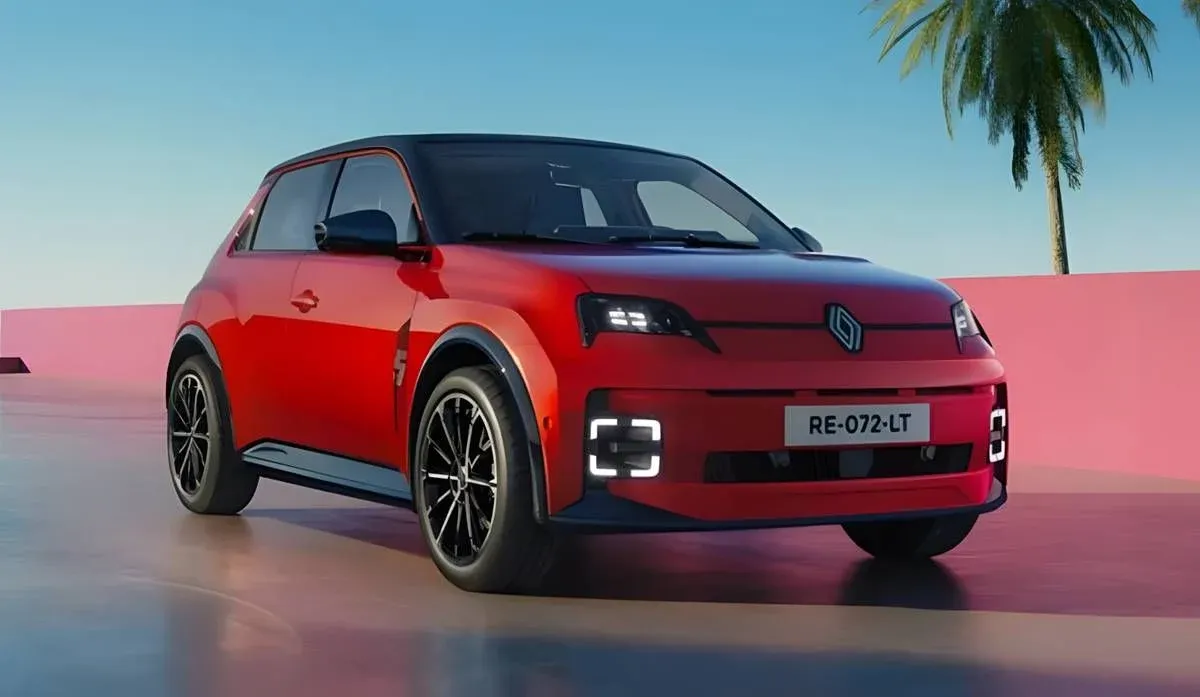
The Renault 5 E-Tech remains the main driver behind this result. This compact electric vehicle sold 2,234 units in Spain during 2026, although its sales volume was 23.8% lower than that recorded during the same period in 2025. It sold 165 units in August, while other models from the brand are beginning to gain prominence within the range.
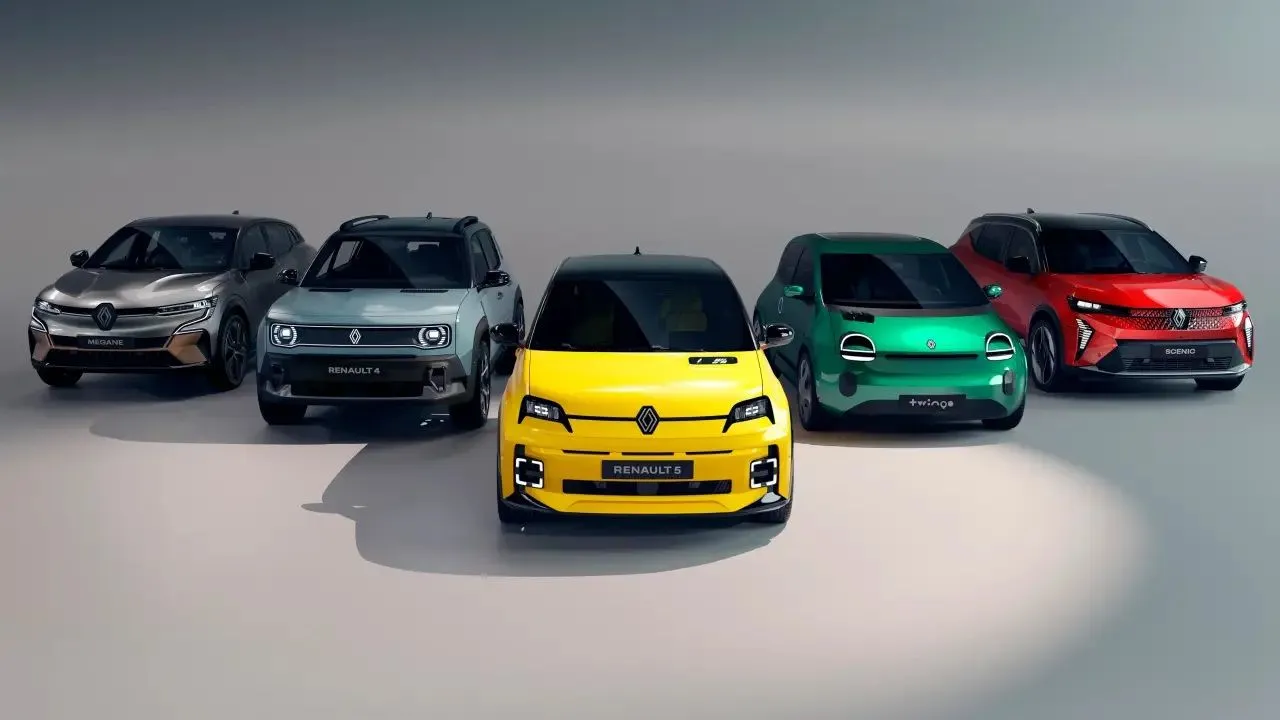
The overall figures are even more interesting. In the first eight months of the year, the Renault Twingo E-Tech sold 623 units, the Renault Scenic E-Tech reached 384, the Renault 4 E-Tech had 369 units sold, the Renault Megane E-Tech reached 170, and the Renault Kangoo E-Tech recorded 94. Thus, Renault has several electric vehicles contributing to sales volume rather than relying solely on one model.
It is precisely this diversification that can explain part of the confidence the brand is showing in the industry. The Renault 5 has proven that an electric vehicle with an attractive design and a relatively affordable price point can attract buyers, while the Renault 4 offers a different approach, and the Scenic and Megane target higher-end segments.
The context of the Spanish market also helps. In August, electric cars continued to gain ground, with electrified vehicles, including electric and plug-in hybrids, accounting for 27.7% of new car registrations in Spain. On an annual basis, this group saw a 34.1% increase, as the market regained much of the momentum it lost in previous years.
New Car Registrations in Spain January-August 2026
France, however, provides an even more compelling indication of the potential of Renault’s new range. During the first eight months of 2026, the Renault 5 saw 26,772 registrations, a 39.5% increase compared to the previous year.
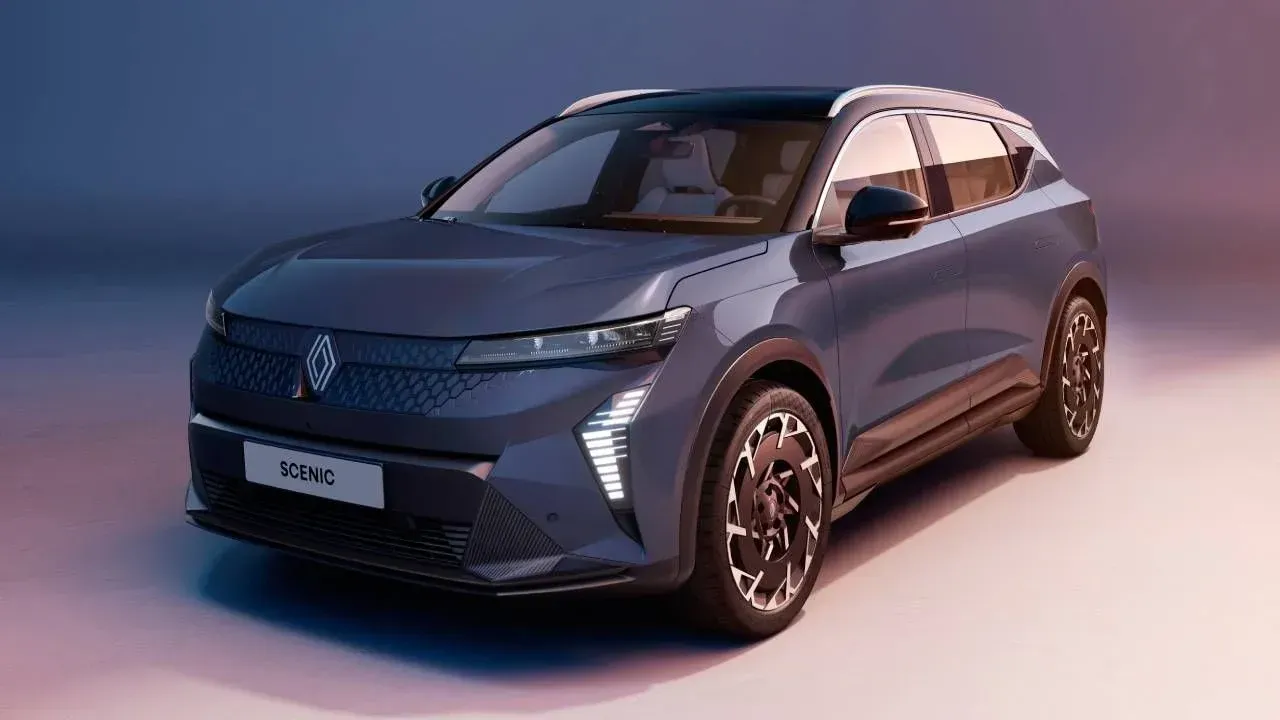
The Renault Scenic E-Tech is also showing very positive progress. It recorded 1,745 registrations in France alone in August, an 88.6% increase from the previous year. The Renault Megane E-Tech, on the other hand, saw 937 units sold, representing an 82.9% growth rate. The results were particularly striking: Renault managed to have three electric models among the top ten best-selling vehicles in the French market that month.
All of this is happening as Chinese manufacturers continue to expand their presence in Europe. BYD, Leapmotor, MG, and other brands are putting significant pressure on segments where price plays a decisive role in purchasing decisions. Renault cannot always compete with them solely on price, but it is trying to do so by leveraging something that European manufacturers still hold as an advantage: a well-established distribution network, local production, and an electric lineup designed specifically for the European market.
The Douai plant is precisely a key component of that strategy. There, not only are Renault electric cars assembled, but a true production hub for several models from the Alliance brands is also being established. The fact that over 350 workers are now being sought is therefore an indicator of industrial activity, although it should not be interpreted as 350 new direct hires by Renault.
The hiring is handled by Proman and includes both temporary positions and permanent contracts through the staffing agency. By the end of 2025, ElectriCity had 2,815 employees, so this new recruitment drive represents a significant boost for a factory that has been gradually increasing the number of electric models produced on its lines.
And this is likely the key. While part of the European industry continues to struggle with how to respond to pressure from Chinese manufacturers, Renault is expanding production capacity for its electric lineup, which is already generating real sales. The Renault 5 isn’t alone—the Renault 4 is gaining traction, and both the Scenic and Megane are finding buyers.
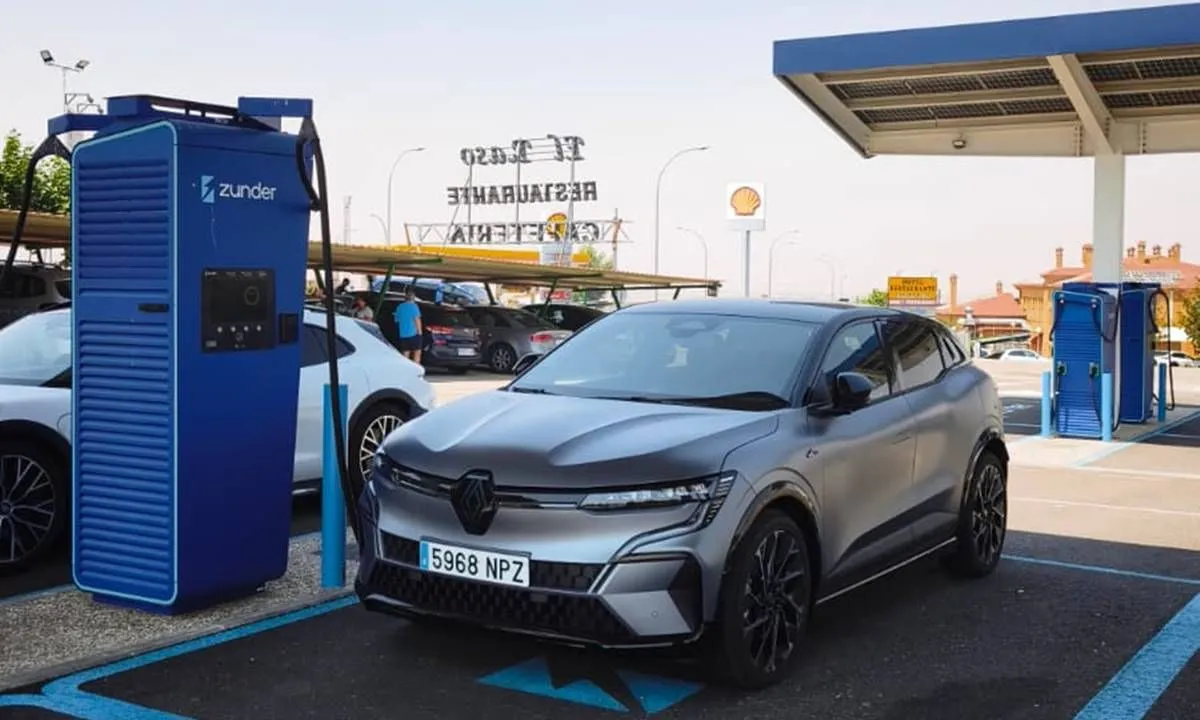
Spain still has plenty of room for those models to grow. Renault’s 3,874 electric vehicle registrations through August aren’t enough to speak of market dominance, but they do show the brand maintaining a competitive position in a much more complex landscape than a few years ago. And most importantly, it’s doing so while introducing new models and expanding its offerings.
The move to Douai is a direct result of this strategy. Renault is assigning workers to manufacture the electric vehicles it needs to compete with new rivals, which represents a significant difference from those years when European electric cars seemed to rely solely on a few models.
China’s offensive has not disappeared, far from it. In fact, it is likely to intensify further in the coming years. But Renault is proving that a European brand can also respond, regain appeal, and ensure its new electric cars have enough demand to keep its factories busy. And Douai is currently one of the best examples of this.