
BYD’s electric cars will have fewer components: the brand is focused on refining a technology that Tesla already uses in its Model Y
10/09/2026 14:30
Updated to
10/09/2026 14:30
The electric mobility sector is in a constant race, not only to offer batteries with higher density or range but also to optimize costs and production processes. The industry has long sought ways to simplify these processes, and with electric cars it has achieved impressive results. Yet some still want to go further.
BYD has decided to adopt and refine gigacasting, a large-scale casting process popularized by Tesla with the launch of the Model Y, which aims to drastically reduce the number of individual parts that make up an electric car’s chassis.
From dozens of parts to a single mold
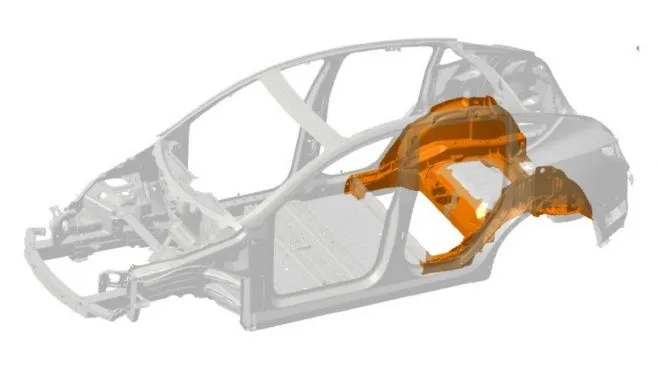
The traditional manufacturing of a chassis involves assembling dozens of metal parts made of steel or aluminum using welding, riveting, and structural adhesives. This workflow not only requires complex production chains but also introduces room for error at each joint point and increases the overall weight of the assembly. High-pressure injection molding technology breaks away from this approach by casting entire sections of the vehicle’s structure as a single piece.
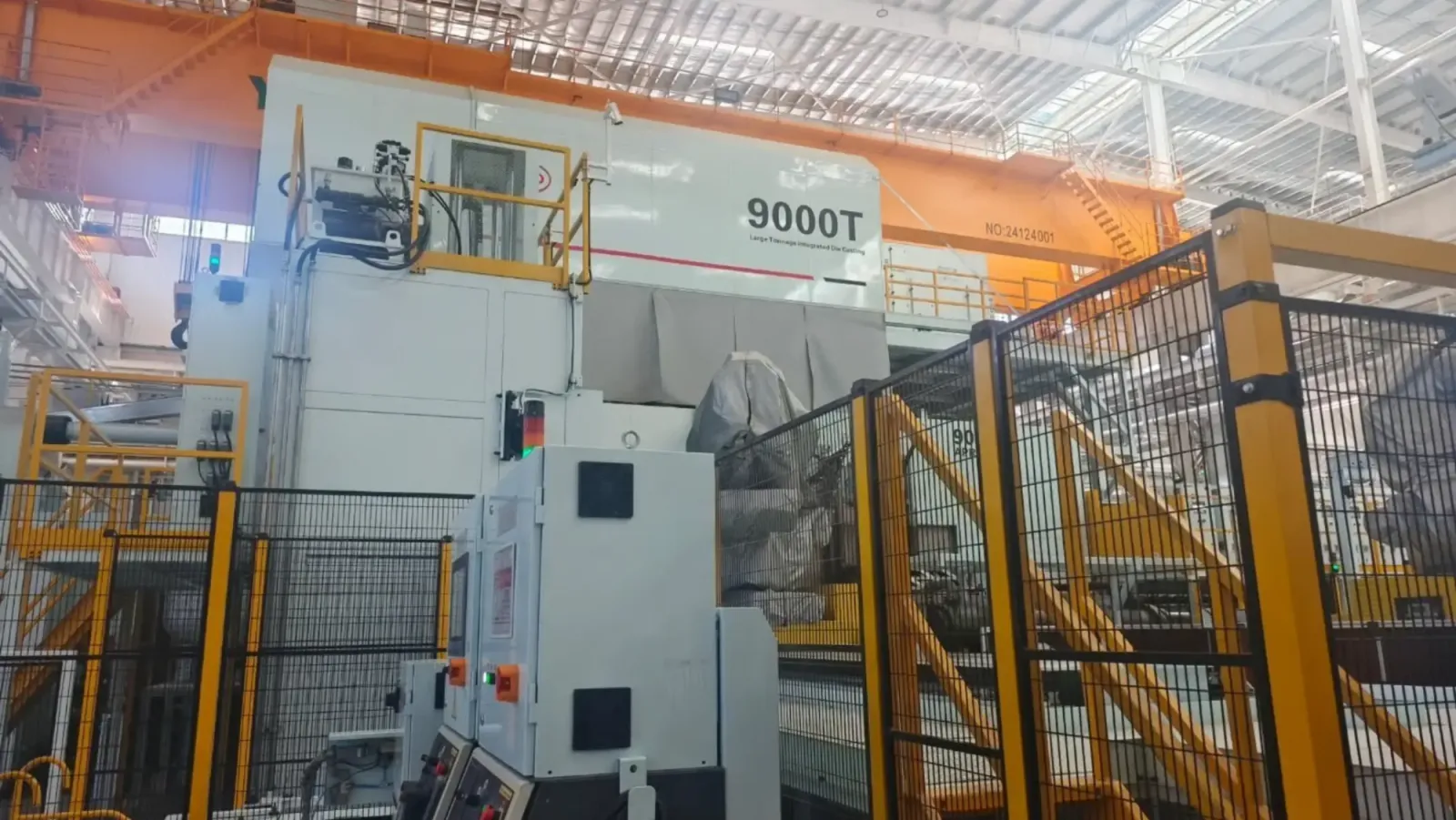
BYD has begun installing 9,000-tonne closing force casting machines in its production facilities to mold components such as the front and rear subchassis for its future models. This approach replaces over 70 individual parts with a single casting, thereby simplifying supply chain logistics, reducing factory space requirements, and improving vehicle precision before moving on to painting and final assembly stages.
Torsional stiffness, weight, and energy efficiency on the road
But this advancement not only reduces production processes but also offers advantages in the vehicle’s dynamic performance. A monoblock structure provides a higher level of torsional stiffness compared to the same element made up of multiple welded parts. This greater strength not only improves the vehicle’s suspension behavior and cornering performance but also elevates passive safety standards by absorbing and distributing forces more evenly in the event of a collision.
This increase in stiffness is combined with a key factor for any electric vehicle: weight reduction. By eliminating welds and fastening elements, the chassis becomes much lighter, resulting in lower energy consumption and higher efficiency. Integrated alongside technologies such as cell-to-chassis batteries (CTB), large-format casting helps create a more compact and lightweight architecture, maximizing available range.
Economic impact on mass production
Despite their clear benefits in reducing production costs on a large scale, adopting 9,000-tonne die-casting presses poses significant challenges for BYD, in addition to the initial cost (around 50 million euros per press). The maintenance and precision of the molds require strict thermal control to prevent porosity or structural weaknesses during the solidification of molten aluminum. Furthermore, addressing repairs after minor accidents is a critical issue that manufacturers must address, ensuring that small impacts do not force the replacement of entire platform structures.
With BYD’s investment in this technology, gigacasting moves beyond being an isolated innovation to become the new standard in the industry. Its ability to consolidate components, reduce manufacturing costs, and maintain profitability in high-volume segments positions this process at the heart of the industrial strategy for next-generation electric vehicles, and the Chinese company aims to lead the way.