
Electric cars are dominating China: 9 out of the top 10 best-selling vehicles in August have no internal combustion engine
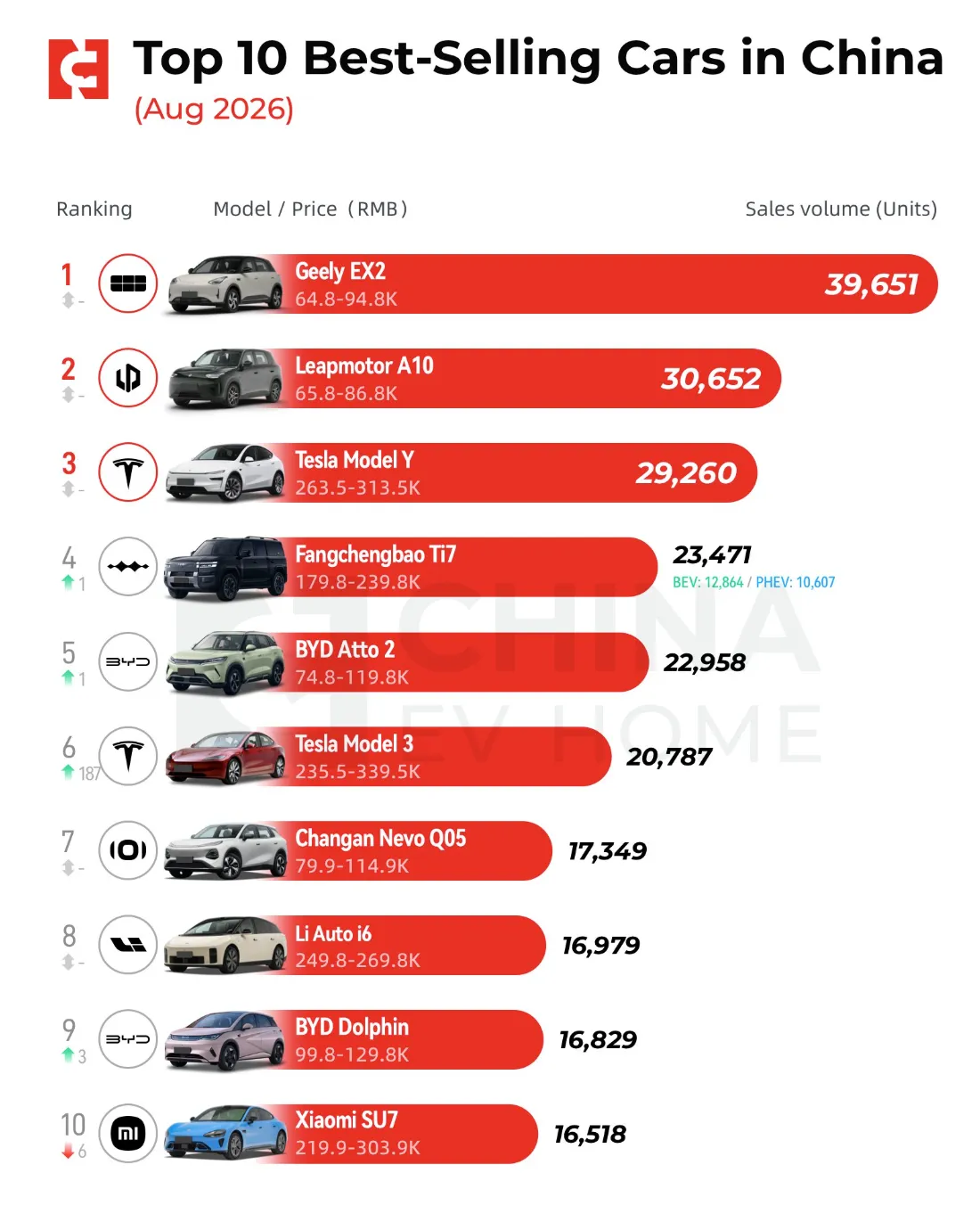
China once again presents a scenario that would have seemed impossible just a few years ago: electric cars completely dominate the top of the sales rankings. In August, the ten best-selling models in the country were all new energy vehicles, with nine of them being electric, while the only model with a traditional internal combustion engine was nowhere to be found among the top ten.
The leader was the Geely E2, known as Xingyuan in China, which sold 39,651 units. This compact Geely model has become one of the key players in the Chinese market, once again proving that affordable electric cars still have significant room for growth.
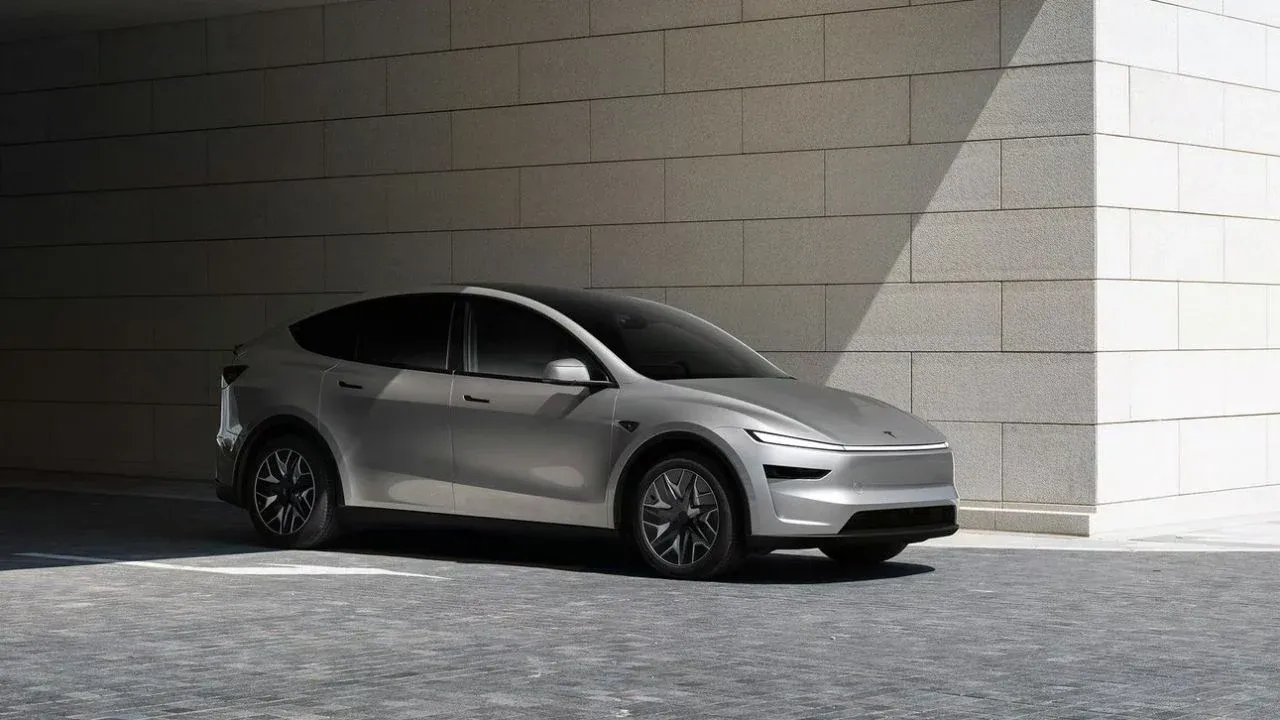
The Leapmotor A10 came in second with 30,652 units sold, while the Tesla Model Y finished in third place with 29,260 units. The result is particularly notable as it refers to a market filled with models across all price points and segments, from small urban cars to large SUVs.
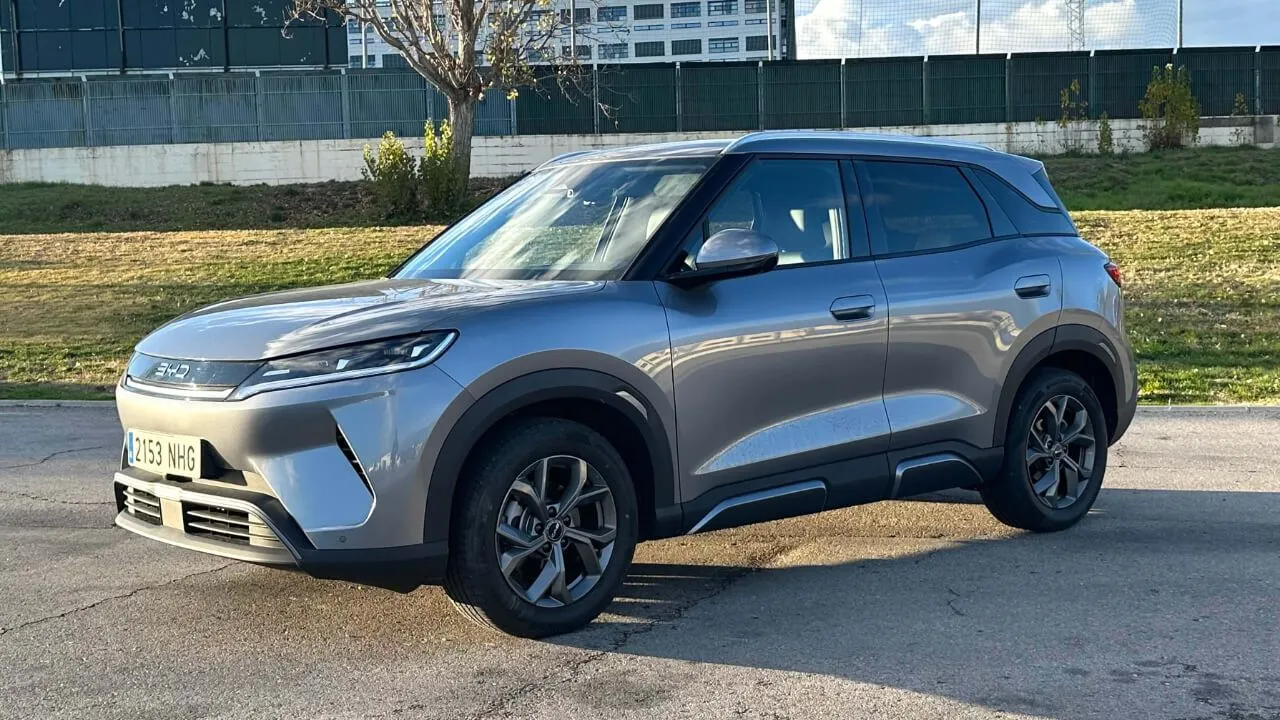
The fourth place went to the Fang Cheng Bao Ti7, with 23,471 units sold. It should be noted that this model from the BYD group is available in both electric and plug-in hybrid versions. Of its August sales, 12,864 units were electric models and 10,607 were plug-in hybrids, meaning just over half of its total sales came from electric versions.
The BYD Atto 2 ranked fifth with 22,958 units sold, followed by the Tesla Model 3 with 20,787 units. After that came the Changan Nevo Q05 with 17,349 units; the Li Auto i6 with 16,979 units; the BYD Dolphin with 16,829 units; and the Xiaomi SU7, which finished in tenth place with 16,518 units sold.
The most significant insight lies not only in who occupies each position but also in who has disappeared from the top spots. No gasoline-powered car made it into China’s top 10 best-selling models in August. To find the first one, one must look as far down as position 13, where the Toyota Corolla Cross appears with 14,675 units sold.
This is the second time this year that gasoline-powered cars have been excluded from China’s top 10. The gap compared to other markets is becoming increasingly evident, especially since China is enabling electric cars to compete not only in the more expensive segments but also in smaller, budget-friendly models where gasoline engines traditionally held a huge advantage.
Geely E2, Tesla Model Y, and BYD lead a market that is becoming increasingly electric.
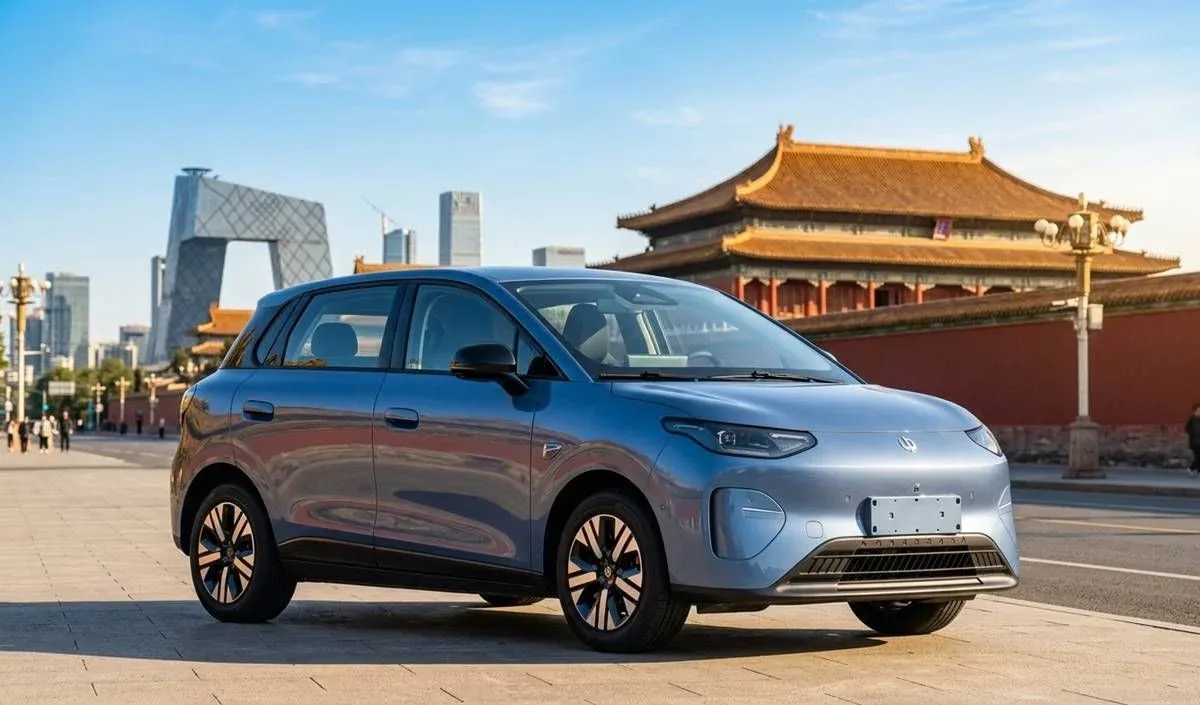
The Geely E2 also leads the cumulative rankings from January to August. It has sold 266,166 units, ahead of the Tesla Model Y with 226,931 units, and the Li Auto i6 with 152,845 units sold so far.
This small Geely model holds special significance because it represents one of the segments generating the most interest outside China. The E2, known as Xingyuan in that market, is a compact vehicle that directly competes with the BYD Seagull, which is sold in Europe as the Dolphin Surf. It also targets the future Volkswagen ID. Polo, which has just started sales in Spain at very competitive prices.
Tesla was the only brand with two models in the top ten: the Model Y finished third and the Model 3 sixth. However, the progress of other Chinese manufacturers shows just how fierce competition has become. The Chinese market is no longer dominated by a few electric car makers; instead, it offers a vast array of options capable of covering almost every segment.
Xiaomi's performance is also noteworthy. The SU7 dropped from fourth place in July to tenth in August, with 16,518 units sold. Its SUV sibling, the Xiaomi YU7, fared even worse, falling to nineteenth place with 13,635 units sold. This happens in a market where SUVs are extremely popular and sell roughly twice as many units as sedans.
Among the top twenty best-selling models, there are five cars with internal combustion engines: the Toyota Corolla Cross, Geely Starray, Volkswagen Lavida, Toyota RAV4, and Geely Monjaro. The Volkswagen Lavida is the only sedan with an internal combustion engine in this group.
The situation of some models that were true bestsellers for years is particularly significant. The Volkswagen Lavida and Nissan Sylphy regularly sold over 20,000 units per month and held top positions in the Chinese market for a long time. Now, the Lavida ranks 15th with 14,226 units sold, while the Nissan Sylphy drops to 23rd with just 12,227 units.
BYD also once again demonstrates the breadth of its lineup. The company has four models in the top twenty — Atto 2, Song Ultra, Song Pro, and Sealion 6 — and if the Fang Cheng Bao Ti7 from the same group is included, the total rises to five models.
All of this is happening in a market that is generally going through a difficult period. Retail sales of passenger cars in China were around 1.54 million units in August, a 23.6% decline year-on-year, while new energy vehicles reached approximately 1.005 million units, accounting for 65.2% of the total.
In other words, the Chinese market is declining sharply, but electric cars and other new energy models are holding up much better than traditional models. Therefore, the August rankings are more significant than simply which car finished first: Chinese consumers are switching to new technologies at a pace that is increasingly hard to ignore.
What’s most interesting is that this transformation is no longer limited to expensive models. The Geely E2 and Leapmotor A10 occupy the top two positions at prices far lower than those of models like the Tesla Model Y. It is precisely here that one of the most important battles in the global automotive industry is taking place: creating affordable electric cars capable of replacing traditional gasoline vehicles.
China seems to have the advantage in that race.