
Gasoline cars lose for the first time in the world’s third-largest market to less polluting alternatives
07/09/2026 12:30
Updated to
07/09/2026 12:30
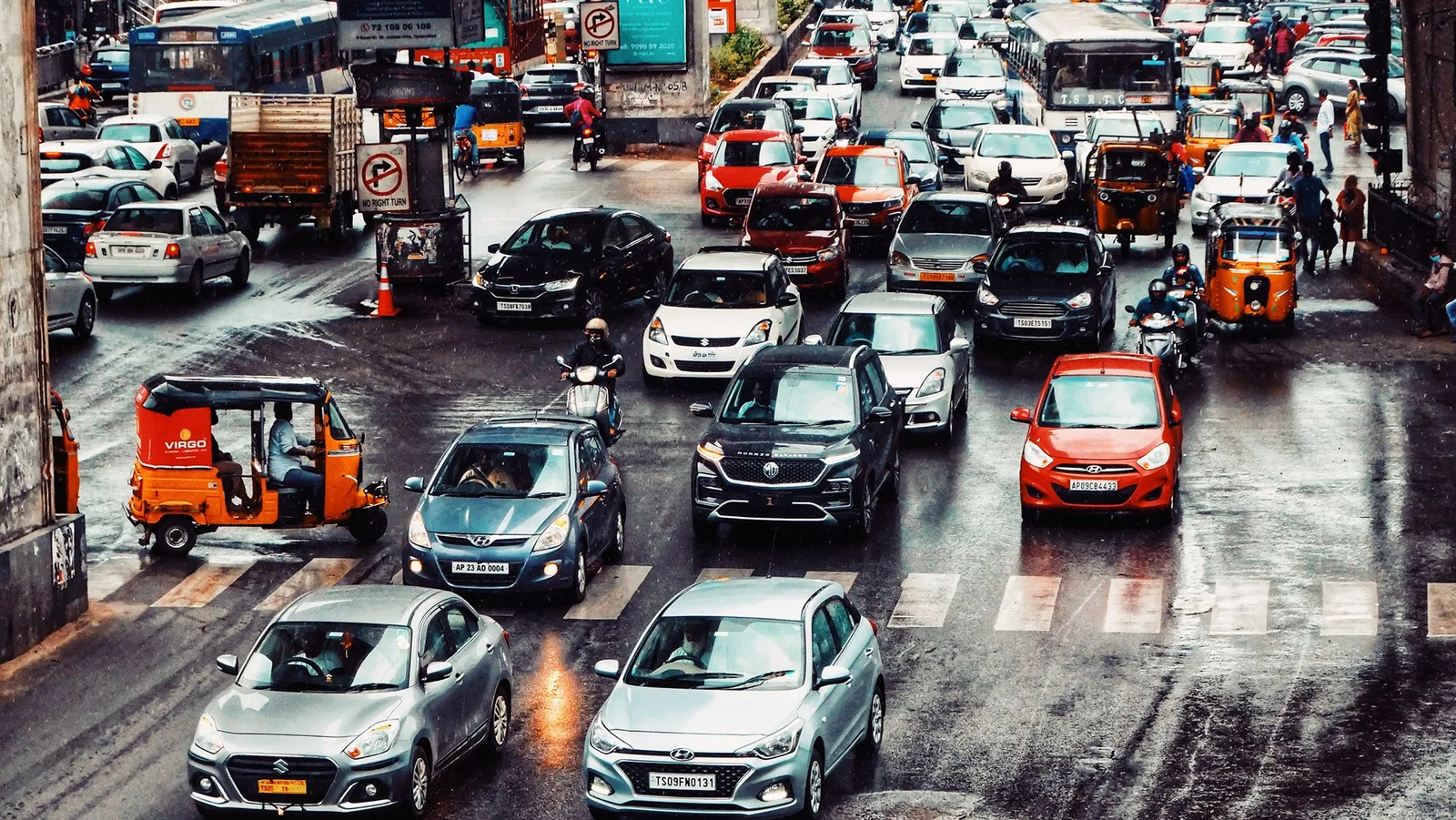
For decades, talking about the Indian automobile market meant almost inevitably discussing gasoline. That is starting to change. For the first time, cars using alternative technologies or fuels have sold more than those that are purely gasoline-powered, a shift particularly significant since India is already the world’s third-largest automobile market.
In August, electric vehicles, hybrids, compressed natural gas (CNG) vehicles, and other alternatives together accounted for nearly 42% of new registrations, while purely gasoline-powered cars made up around 41%.
The gap is still small and it includes very different technologies. But it becomes significant when considering India’s starting point: just over a year ago, gasoline still had an advantage of about 11 percentage points.
India isn’t replacing gasoline only with electric cars
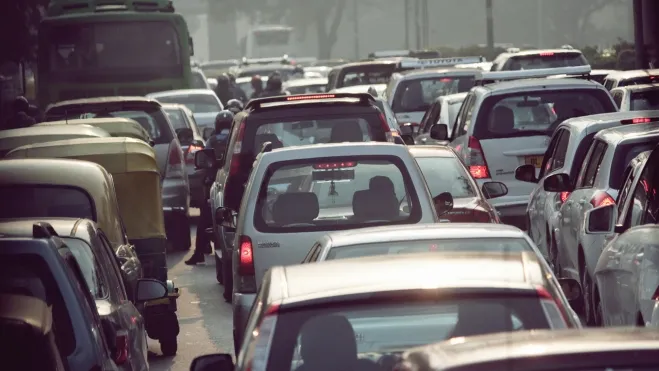
That is probably the most interesting aspect of this change. Europe has structured much of its transition around a fairly clear goal: gradually phasing out internal combustion engines and moving toward battery-powered electric vehicles. In India, on the other hand, the declining popularity of gasoline is benefiting several different technologies at once.
Electric cars continue to gain prominence, but so do hybrids, and especially models powered by GNC—a solution that benefits from relatively well-developed infrastructure and can offer lower operating costs compared to gasoline.
Manufacturers such as Maruti Suzuki, Tata Motors, and other major local players are adapting their product lines precisely to this diversity. The results show that an energy transition does not have to follow the same path in all countries.
E20 gasoline is also changing purchasing decisions
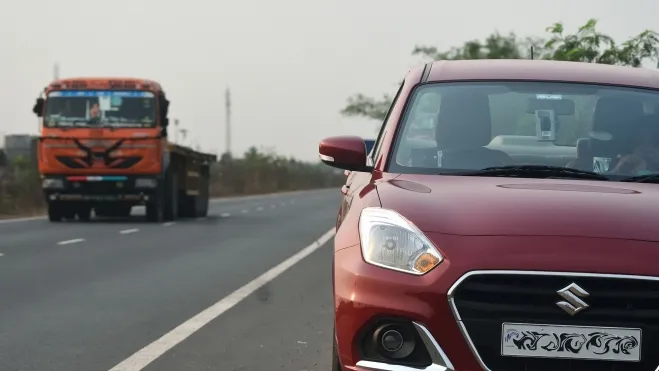
To the economic factors, another element has been added in recent months: the introduction of E20 gasoline in India, which contains 20% ethanol.
Its use has sparked debate among some owners, especially those of older vehicles, who fear increased fuel consumption or potential compatibility and durability issues.
The Indian government has dismissed much of this criticism, defending E20 as a tool to reduce oil imports and emissions.
Nevertheless, the controversy is influencing discussions about gasoline cars and may be prompting some buyers to consider other options.
A warning for Europe on how the market could change
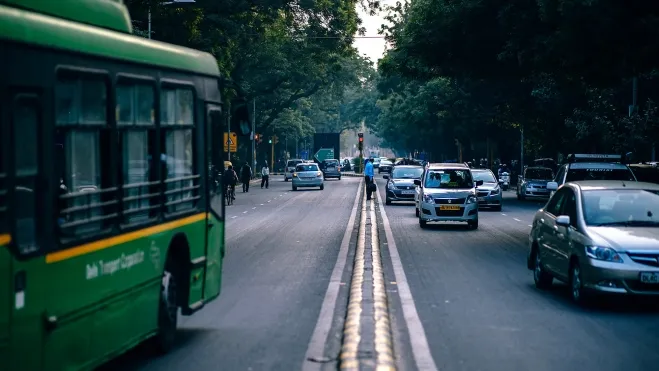
What happened in India doesn’t mean gasoline will disappear quickly. It still accounts for about four out of ten sales and remains a fundamental technology for the market.
But losing leadership to a combination of other alternatives for the first time marks a symbolic threshold. This has interesting implications for Europe: the end of gasoline’s dominance may not occur simply because all buyers switch directly to electric cars.
India is showing another possibility. Gasoline may gradually lose ground to a mix of electric cars, hybrids, CNG (compressed natural gas), and other fuels, each gaining buyers for different reasons.
The transition away from cars may be less uniform than expected: not one technology replacing another abruptly, but multiple solutions sharing the market until gasoline becomes a minority.