
“Customers will decide when to make the switch”: Mercedes’ CEO advocates keeping internal combustion engines alive
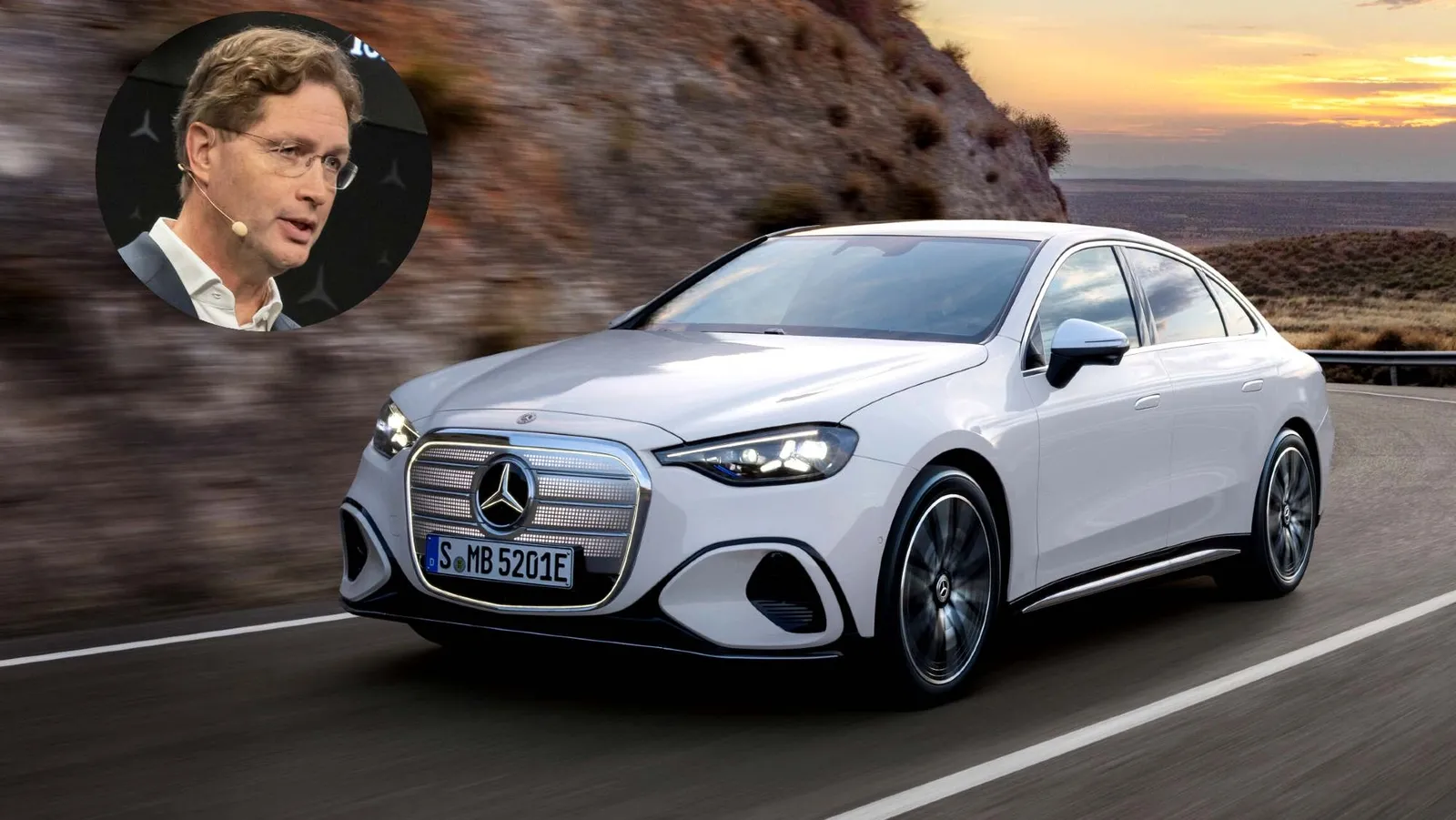
Mercedes has greatly changed its approach to electric cars. Initially, it focused on two separate model lines: traditional combustion engines on one side, and a similarly comprehensive range of equivalent vehicles under the EQ line. This strategy didn’t fully convince everyone, and now it offers both types of powertrains in each of its cars.
Despite the shift in direction, the brand’s CEO, Ola Källenius, is clear that that earlier phase was very useful: “We had buyers who approached the brand with those first electric models on the market; perhaps they came to love Mercedes later in their lives. Traditional Mercedes customers are also joining this trend. But if they still prefer a high-tech internal combustion engine, we can offer that to them. It’s no problem. Customers will decide when to make the switch based on what works best for them.”
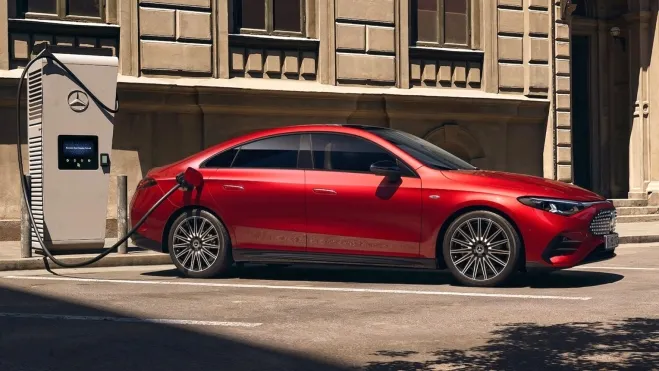
Common architectures: the key to launching many cars on the market
The current approach is more practical, as it utilizes multiple platforms that can be used to create various cars, and which also support everything from microhybrid propulsion systems to fully electric ones. Its versatility is such that, under the current plan spanning three years ending in 2027, the manufacturer will launch 40 different models onto the market.
It might seem impossible, but Källenius believes it is relatively straightforward to achieve: “The key is a well-planned architecture strategy. If every screw and component in those cars were new, it would be impossible to accomplish this, but with a modular strategy and an operating system platform strategy (which constitutes the vehicle’s brain and central nervous system), there’s no need to develop something entirely new from scratch each time.”
Coming from AMG, Autocar asked him how it’s possible to get fans of the brand—who grew up loving V8 and V12 engines—to become excited about fully electric models.
He admits that “for traditional car enthusiasts, it’s like learning a new language, but is it really? When I was in university, the question was: ‘Do you have a 386 or 486 processor in your laptop, which is incredibly heavy?’ The tech race has always been about a combination of hardware and software, but now the same applies to cars, with people asking: ‘Okay, how many TOPS [trillions of operations per second] do you have?’”
"Why do you need TOPS? Well, you need them to power highly sophisticated AI-driven software platforms, and if you don’t have the necessary ‘power’ for that, you won’t have those driving features. The power in the digital realm comes from chip sets," he adds, citing the new CLA AMG 45 as an example. He notes that although it’s fully electric, it’s “the best V8 I’ve ever driven: it had all the sensations of a V8, but with more power and torque.”
The customer’s perspective
Despite his role as CEO, he is involved in every aspect of the company, including evaluating each car from the perspective of a potential buyer: “The board drives and evaluates everything, as ultimate responsibility lies with us. But I’m the first to admit that our excellent engineers are more qualified than we are for that task. It’s not our role to do their work. Nevertheless, we’re also customers. When I test a car, I adopt the customer’s mindset: How would I feel if I had spent around 60,000 euros on it? Does it truly meet expectations? Then we discuss it.”
In this new era, everything that has always been valued in a Mercedes is still appreciated, but new aspects such as digitalization are also gaining importance among customers: “The precise tuning of the chassis, handling, and other features are essential, because it’s a Mercedes, right? But now we spend a lot of time working on the user interface and digital aspects.”