
Electric trucks have arrived to stay, but they face a problem to solve that isn’t the huge weight of their batteries.
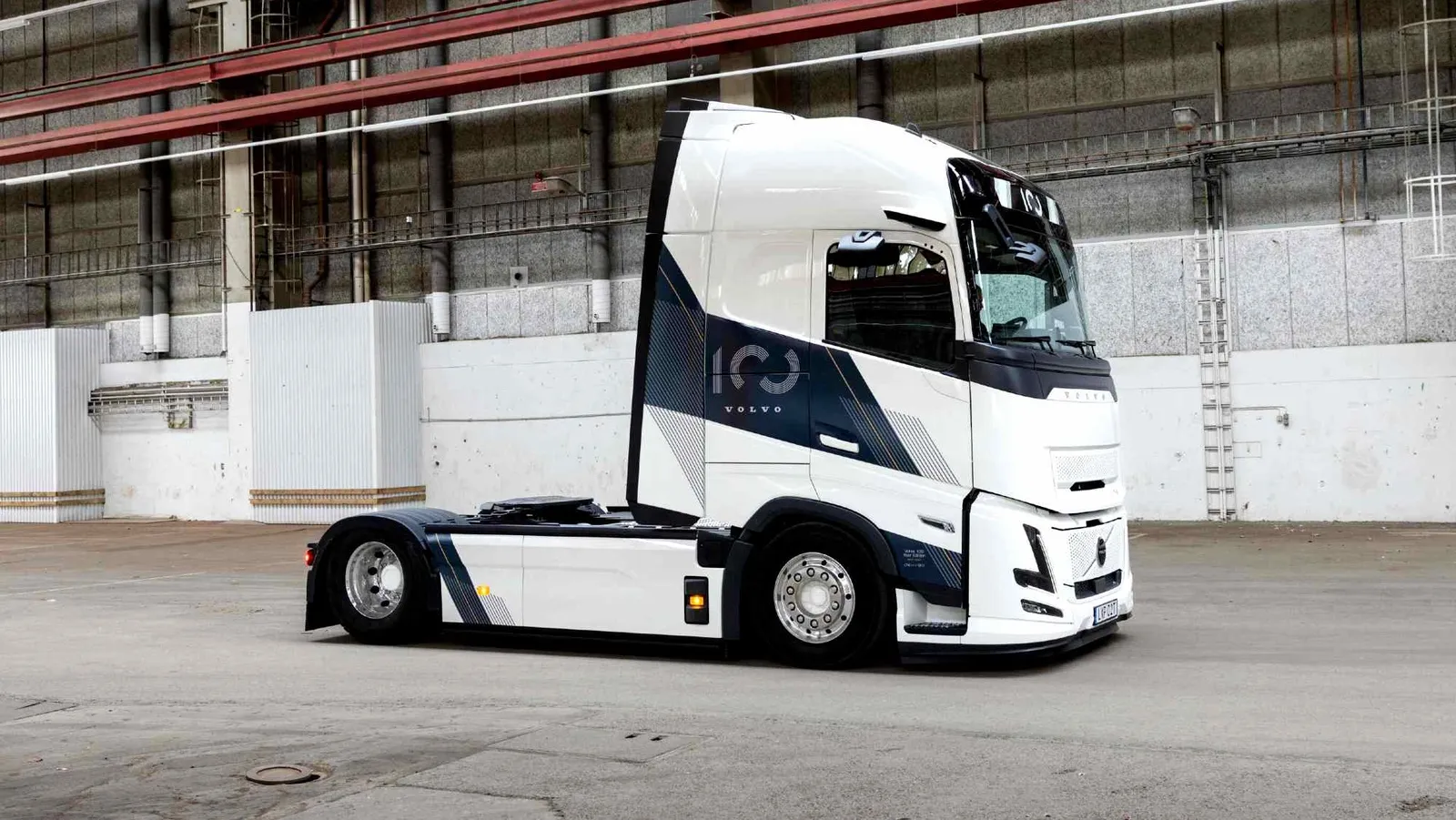
The transition of heavy road transport in Europe to zero emissions depends less on electric truck manufacturers and more on the existence of adequate charging infrastructure that allows them to travel across the continent without issues. The European Union seems to have realized this, which is why it plans to increase funding for the development of charging infrastructure for electric trucks and buses.
The European Commission intends to prioritize heavy vehicles within the funds of the Connecting Europe Facility (CEF) and the Alternative Fuels Infrastructure Facility (AFIF), at a time when expanding the network faces challenges related to limited electrical infrastructure and difficulties in attracting private investment.
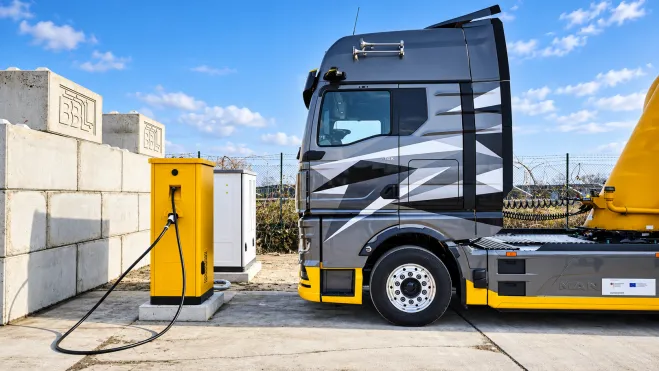
The fleet of electric trucks is growing faster than the charging infrastructure
The issue isn’t just about increasing the number of chargers, but ensuring they are suitable for heavy vehicles, which require much more powerful installations than passenger cars. In long-distance transportation, these trucks must be able to recharge along major European routes without disrupting fleet operations. The Commission estimates that there are currently around 40,000 battery-electric trucks operating in the European Union, with projections suggesting this figure will rise to between 45,000 and 50,000 by the end of 2026. By 2030, the forecast is nearly 400,000 zero-emission heavy vehicles.
The issue is that public infrastructure is still far behind this development and isn’t keeping up. Currently, there are around 3,000 public charging points suitable for electric trucks, which is about 60% more than a year ago, but the expansion of the network will need to accelerate in the coming years to prevent charging availability from becoming one of the main obstacles to electrifying freight transportation.
In addition, charging needs will not be evenly distributed across the territory; rather, a very large portion of the demand will concentrate in a small number of locations, such as major corridors, logistics centers, highway intersections, and industrial zones. To such an extent that in some countries, only about 10% of the locations analyzed could account for between 60% and 90% of the charging demand.
The need for higher charging capacities
This will have direct consequences for the power grid, as locations with the highest demand may require peak power levels of 20 to 50 MW. This is not an easily achievable figure, meaning that building a truck charging station involves more than just installing chargers—it also requires securing high-capacity electrical connections well in advance.
Therefore, energy demand will grow alongside the grid and charging infrastructure. Projections indicate that electricity used to charge electric trucks in Europe could reach around 100 TWh per year by 2035 and approximately 200 TWh by 2045. The majority of charges, over 70-80%, will still occur at company facilities, although public charging stations will play a crucial role on long-distance routes.
The EU has already allocated around 1 billion euros since 2024 to decarbonizing various modes of transport, with approximately half of this going toward electrifying heavy transportation. The new approach aims to direct a larger share of CEF and AFIF funds toward areas where investment carries higher risks and where future demand is clearer. Among the options considered is also financially supporting the charging costs for transport companies through long-term supply agreements, rather than limiting aid to the construction of charging stations.
Meanwhile, the Commission is promoting dedicated corridors for zero-emission trucks through the Clean Transport Corridor program, which already includes at least 400 truck charging stations and over 2,900 locations along two major European corridors, with the intention of expanding this model to all major freight routes later on.
