
Chinese electric trucks threaten to capture 25% of the European market by 2030
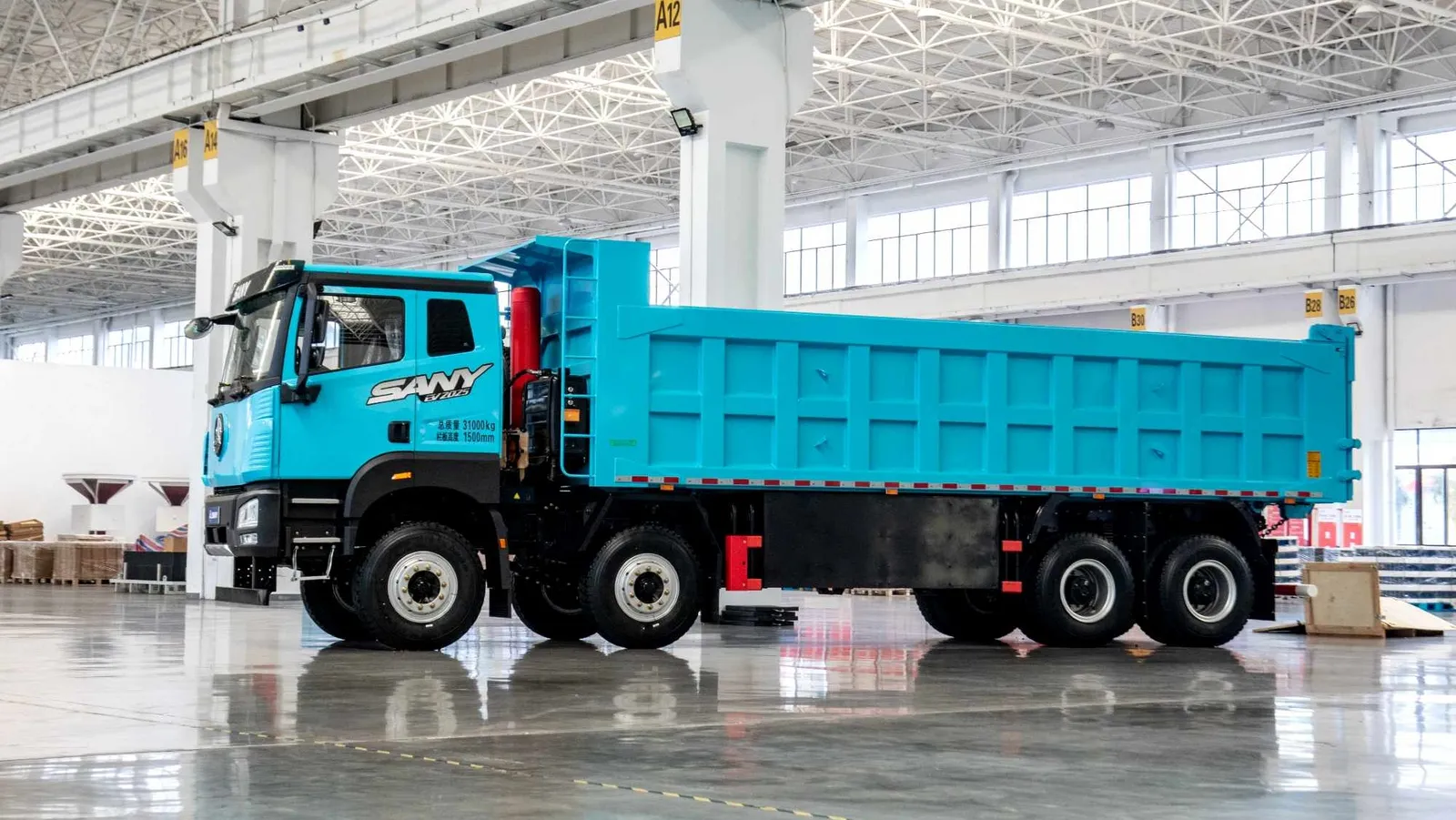
European truck manufacturers face a new challenge in their transition to electric mobility: an analysis by Transport & Environment (T&E) warns that Chinese and American brands could capture up to a quarter of Europe’s heavy electric truck market by 2030 if European brands do not accelerate their electrification efforts.
Europe’s heavy vehicle market handles around 245,000 units per year and is primarily dominated by manufacturers such as Daimler Truck, Traton (the parent company of brands like Scania and MAN), Iveco, DAF, and Volvo Group. Zero-emission trucks accounted for 5.6% of sales in 2025, double the figure from the previous year, and against this backdrop, manufacturers from China and the United States are expanding their presence in Europe.

New competitors are emerging
Chinese companies such as Sany, Sinotruk, SuperPanther, FAW Trucks, and Foton are preparing to enter or expand in the European market, focusing particularly on electric models. China’s extensive experience in developing and marketing this type of vehicle may give them an additional advantage over European competitors. Tesla also joins this race, having announced plans to introduce its electric Semi truck in Europe.
The problem is that the advantage of these new competitors would not be solely technological but also economic. A T&E study estimates that a Chinese electric truck could reduce the total cost of ownership by up to 12% compared to an equivalent European model. For a German transportation company, for example, this difference could mean a cost of 0.55 euros per kilometer compared to 0.63 euros for a European vehicle, including residual value. Over a five-year period, the savings could amount to 43,000 euros.
This issue is particularly significant in an industry characterized by very low profit margins, typically ranging from 1.5% to 2%. Under such conditions, a reduction of more than 10% in the total cost of ownership can become a decisive factor when renewing a fleet. Additionally, T&E argues that new electric models are capable of competing with European vehicles in key aspects of freight transportation, such as range, charging times, payload capacity, and energy efficiency.
Stef Cornelis, head of freight transportation and fleets at T&E, says: “There are already competitive Chinese and American truck models in the European market, with many more on the way. This is a critical moment for Europe’s road transport sector, which should learn from what happened in the automotive industry. Slowing down electrification now would give American and Chinese competitors the opportunity to gain a significant market share, both in Europe and around the world.”
No need to panic yet
Nevertheless, these forecasts should be interpreted with caution, as part of the analysis relies on prices, technical specifications, and business goals for models that have not yet reached the European market or whose final details are still unknown. The Tesla Semi is a clear example, as its features and price for Europe are still not available.
Therefore, the warning from T&E should be taken seriously, as the organization believes Europe has a limited window of opportunity to maintain its leadership in the heavy vehicle industry. Relaxing emission reduction targets could slow down electrification and, at the same time, make it easier for foreign competitors to enter the market. On the contrary, it argues that maintaining ambitious climate regulations and accelerating the transition could drive innovation and enable European manufacturers to defend their position.
"The competition will be beneficial for logistics companies and consumers, but the transition offers limited room for established European operators to maintain their leadership. While they hesitate between combustion and electric technologies and try to lower CO2 emission targets for trucks, new players have fully committed to electrification," concludes Cornelis.